
Kostenlose Rückgabegarantie
Free & Easy Returns
Free & Easy Returns

Oszilloskope sind unverzichtbare Werkzeuge für Ingenieure, Techniker und Hobbybastler, die mit elektronischen Signalen arbeiten. Sie ermöglichen die Visualisierung und Analyse von Signalverläufen in Echtzeit. In diesem Artikel beleuchten wir die wichtigsten Unterschiede zwischen traditionellen und intelligenten Oszilloskopen und konzentrieren uns dabei auf Aspekte wie Benutzerfreundlichkeit, Funktionen und Leistung. Ob Sie ein klassisches Analogmodell oder ein modernes Touchscreen-Oszilloskop in Betracht ziehen – das Verständnis dieser Unterschiede hilft Ihnen, das richtige Gerät für Ihre Bedürfnisse zu finden. Wir stellen Ihnen außerdem das Hanmatek AHO814 vor, ein hochmodernes 4-Kanal-Oszilloskop, das die Vorteile intelligenter Technologie beispielhaft verdeutlicht.
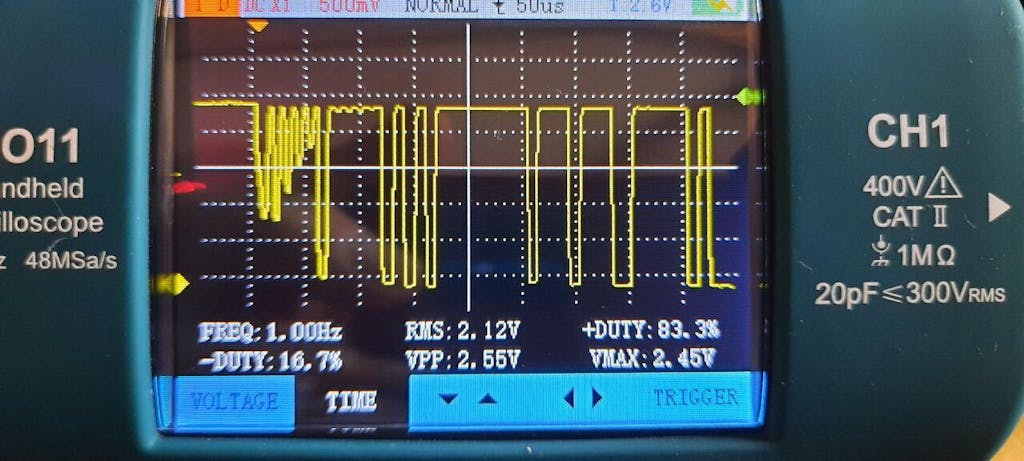
Traditionelle Oszilloskope, oft analog, bilden seit Jahrzehnten das Rückgrat der Elektronikprüfung. Diese Geräte nutzen Kathodenstrahlröhren (CRT), um Signale direkt und ohne digitale Verarbeitung darzustellen. Sie zeichnen sich durch ihre direkte Echtzeitdarstellung von Signalverläufen aus und eignen sich daher ideal für einfache Hochfrequenzmessungen, bei denen minimale Störungen entscheidend sind.
Zu den wichtigsten Vorteilen traditioneller Oszilloskope zählen ihre Einfachheit und Kosteneffizienz. Sie verfügen beispielsweise oft über intuitive Drehregler, die für erfahrene Anwender leicht zu bedienen sind und die Einarbeitungszeit digitaler Schnittstellen vermeiden. Analoge Modelle können zudem einen größeren Dynamikbereich für bestimmte Signale verarbeiten und so Nuancen erfassen, die bei der digitalen Wandlung verloren gehen könnten. Allerdings mangelt es ihnen an erweiterten Speicher-, Messautomatisierungs- und Anschlussmöglichkeiten, was ihre Einsatzmöglichkeiten bei komplexen oder datenintensiven Aufgaben einschränken kann. Die Bandbreite ist typischerweise geringer, und manuelle Einstellungen für Triggerung und Skalierung sind erforderlich, was zeitaufwändig sein kann.
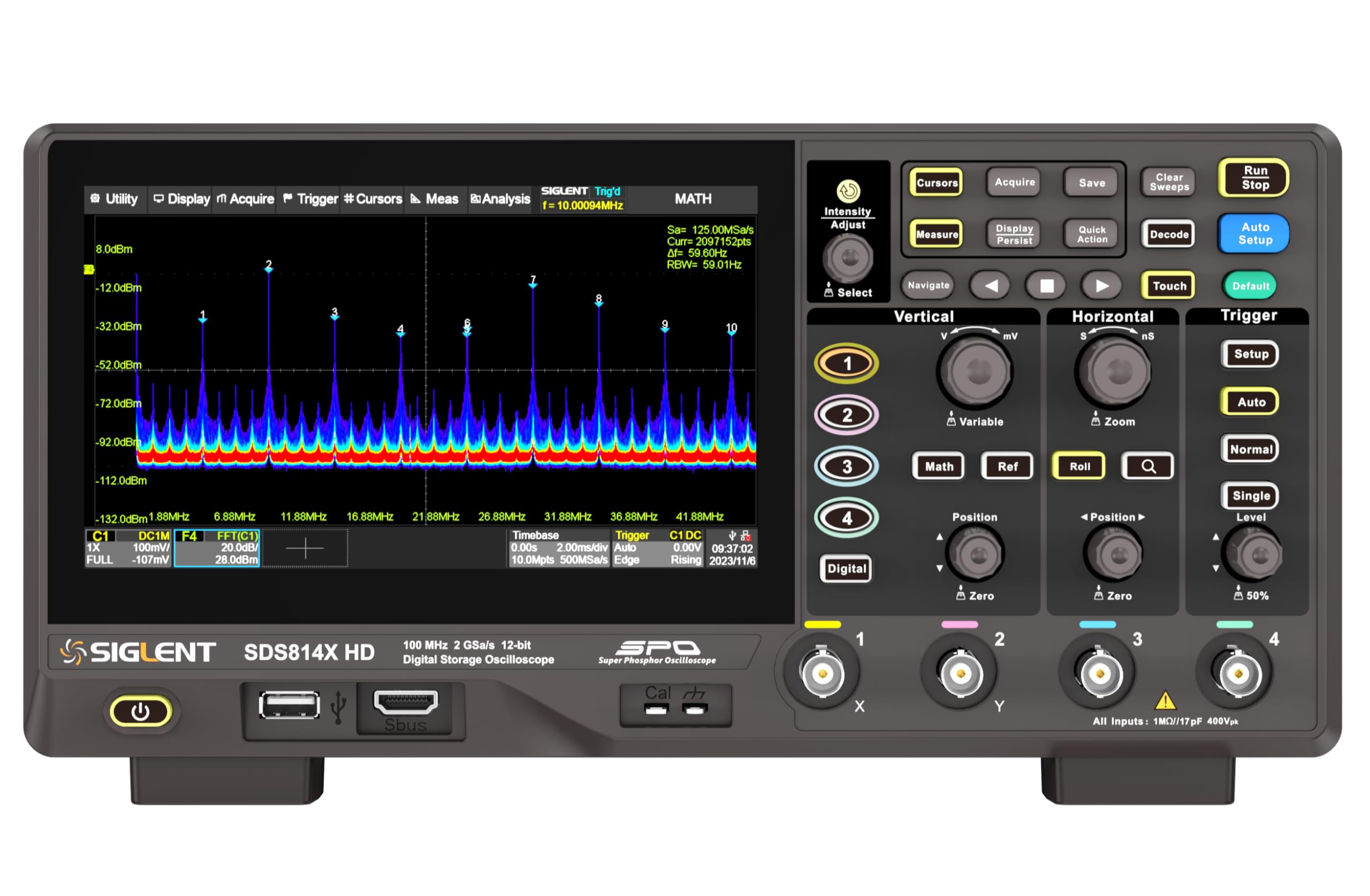
Im Gegensatz dazu integriert ein intelligentes Oszilloskop digitale Signalverarbeitung mit intuitiven Benutzeroberflächen, oft mit Touchscreen für eine nahtlose Navigation. Diese Geräte, wie die heute erhältlichen Touchscreen-Oszilloskope, bieten durch softwaregesteuerte Funktionen erweiterte Funktionalität und sind somit vielseitig für moderne Anwendungen einsetzbar.
Intelligente Touchscreen-Oszilloskope bieten dank digitaler Abtastung und quarzbasierter Zeitbasis eine überragende Messgenauigkeit. Sie verfügen über automatische Einrichtungsfunktionen, die die Bedienung – auch für Einsteiger – vereinfachen, indem sie die Einstellungen per Knopfdruck automatisch konfigurieren. Touchscreens ermöglichen Gestensteuerung, wie z. B. das Zoomen per Pinch-Geste, was die Benutzerfreundlichkeit und Effizienz steigert. Zu den Nachteilen zählen möglicherweise höhere Anschaffungskosten und eine für Anwender analoger Systeme unter Umständen höhere Komplexität. Die Vorteile bei der Datenanalyse und der Portabilität überwiegen diese jedoch häufig.
Ein Paradebeispiel ist das Hanmatek AHO814 4-Kanal Smart-Touchscreen-Oszilloskop. Dieses Gerät mit 100 MHz Bandbreite bietet eine Echtzeit-Abtastrate von 1,25 GSa/s und eine Speichertiefe von 50 Mpts pro Kanal. Dadurch lassen sich Hochgeschwindigkeitssignale und seltene Anomalien präzise erfassen. Sein 7-Zoll-kapazitiver Touchscreen mit einer Auflösung von 1024 × 600 Pixeln liefert brillante Bilder und ermöglicht intuitives Multitasking über ein Android-basiertes Betriebssystem. Zu den besonderen Merkmalen gehören ein integrierter 10-MHz-Signalgenerator für Wellenformen wie Sinus, Rechteck und Impuls sowie ein True-RMS-Multimeter zur Messung von Spannung, Strom, Widerstand und mehr. Die Konnektivität über WLAN und LAN unterstützt Fernsteuerung und OTA-Firmware-Updates und macht es somit ideal für Forschung und Entwicklung, Ausbildung und den professionellen Einsatz.
Mit fortschrittlichen Funktionen wie FFT-Spektrumanalyse, 31 automatischen Messungen und Wellenformaufzeichnung/-wiedergabe ist der AHO814 ein wahres Multitalent. Erfahren Sie mehr hier oder entdecken Sie hier die Neuheiten von Hanmatek mit weiteren innovativen Geräten.
Um den Vergleich zwischen herkömmlichen und intelligenten Oszilloskopen zu verdeutlichen, folgt hier eine Aufschlüsselung der wichtigsten Merkmale:
| Besonderheit | Traditionelles Oszilloskop | Intelligentes Touchscreen-Oszilloskop (z. B. Hanmatek AHO814) |
|---|---|---|
| Schnittstelle | Drehknöpfe und Tasten; kein Touchscreen | Kapazitiver Touchscreen mit Gestensteuerung |
| Kanäle | Typischerweise 1-2 Kanäle | Bis zu 4 Kanäle für die gleichzeitige Datenerfassung |
| Abtastrate | Begrenzt durch analoge Komponenten | Hohe Geschwindigkeit (1,25 GSa/s) für detaillierte Signalerfassung |
| Speichertiefe | Keine (nur Echtzeitanzeige) | Tiefe Auflösung (50 Mpts/Kanal) für lange Aufnahmen |
| Messungen | Manuelle Berechnungen | 31 automatische Messungen und FFT-Analyse |
| Konnektivität | Minimal (z. B. grundlegende Ausgaben) | WLAN, LAN, USB für Fernzugriff und Datenübertragung |
| Zusätzliche Werkzeuge | Keiner | Eingebauter Signalgenerator und Multimeter |
| Benutzerfreundlichkeit | Einfach für Experten; anspruchsvoller für Anfänger. | Automatische Einrichtung und intelligente Funktionen für alle Benutzer |
| Kosten | Im Allgemeinen niedriger | Höherwertig, aber mit vielfältigen Funktionen ausgestattet |
Wie man sieht, bieten intelligente Modelle wie das 4-Kanal-Oszilloskop von Hanmatek mehr Vielseitigkeit, insbesondere in Umgebungen mit hohem Digitalanteil.
Während herkömmliche Oszilloskope für bestimmte Aufgaben im Bereich der analogen Datenverarbeitung – beispielsweise wenn eine direkte, unverarbeitete Ansicht gewünscht ist – nach wie vor ihren Wert besitzen, spiegelt der Trend zu intelligenten Oszilloskopen die Anforderungen moderner Elektronik wider. Sie bieten Genauigkeit, Komfort und Erweiterbarkeit, die herkömmliche Modelle nicht erreichen. Für alle, die ein zuverlässiges Touchscreen-Oszilloskop suchen, ist das Hanmatek AHO814 eine ausgezeichnete Wahl, da es Leistung und Innovation vereint.
Bereit für ein Upgrade? Besuchen Sie die Produktseite des Hanmatek AHO814 oder stöbern Sie in der Neuheitenkollektion auf hanmatek.com, um mehr zu erfahren.
{"one"=>"Wählen Sie 2 oder 3 Artikel zum Vergleichen aus", "other"=>"{{ count }} von 3 Elementen ausgewählt"}
Wählen Sie das erste zu vergleichende Element aus
Wählen Sie das zweite zu vergleichende Element aus
Wählen Sie das dritte Element zum Vergleichen aus


Einen Kommentar hinterlassen