
Kostenlose Rückgabegarantie

As modern electronics push boundaries with faster data rates—think USB 3.0/3.1, high-speed MCU interfaces like SPI/I²C at maximum clock speeds, Ethernet, HDMI, or PCIe—engineers face increasing challenges in validating signal integrity. Rise times are shrinking to nanoseconds, introducing issues like jitter, overshoot, ringing, and crosstalk. This is where a reliable benchtop oscilloscope for digital signals becomes indispensable for high-speed signal analysis.
Handheld or PC-based scopes may suffice for basic checks, but when debugging complex digital communication protocols or characterizing fast edge signals, benchtop models deliver the precision, screen real estate, and processing power needed to catch elusive problems.
High-speed digital signals demand more than just bandwidth—they require:
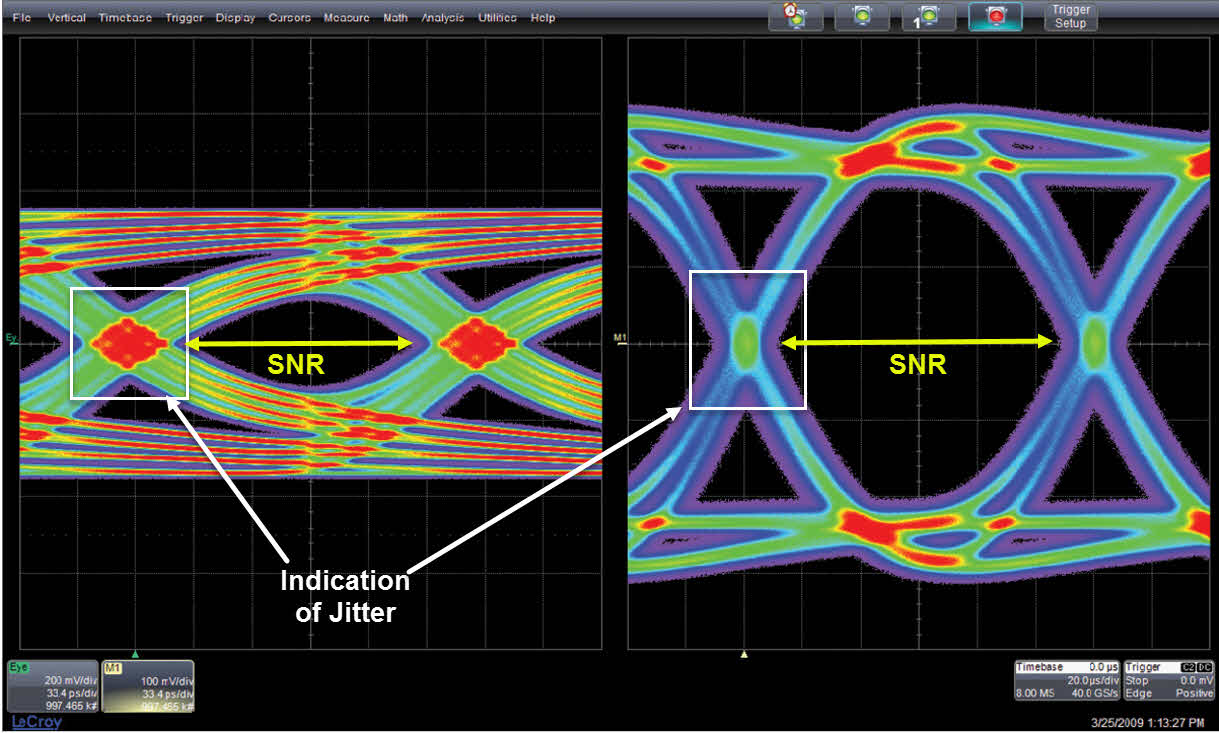


For example, analyzing a USB 2.0 high-speed (480 Mbps) signal needs at least 100–200 MHz bandwidth to resolve rise times around 1–2 ns. An MCU running SPI at 50 MHz+ or processing PWM with sharp edges can reveal noise or timing violations only visible on a high-sample-rate scope.
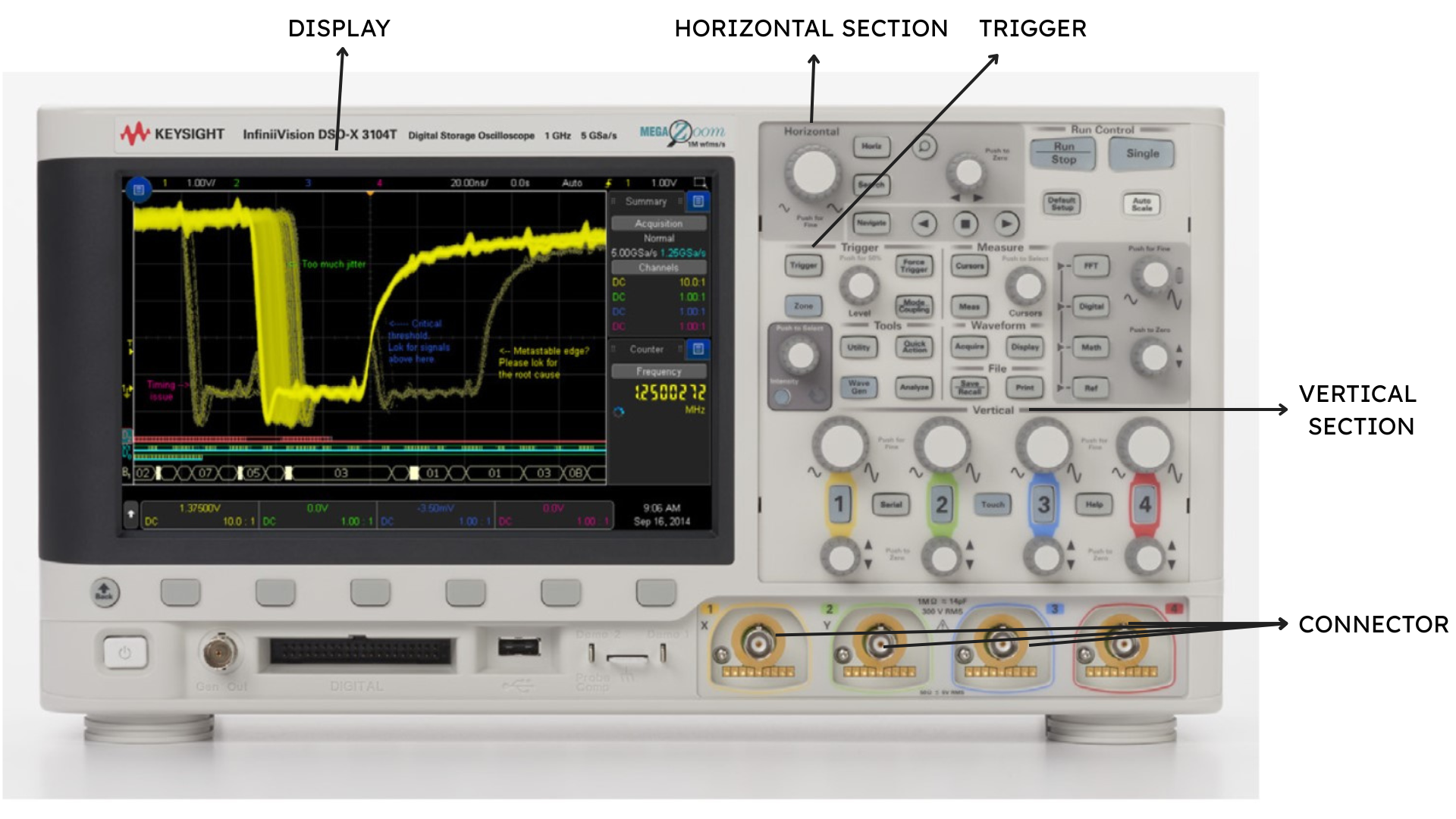
Benchtop scopes shine here with larger displays for detailed waveform inspection, physical knobs for quick adjustments, and robust probing options—making them the go-to for lab-based digital signal integrity work.
These features enable comprehensive analysis: overlay signals, perform math functions (e.g., differential probing), and use serial decode to read packet contents directly on-screen.

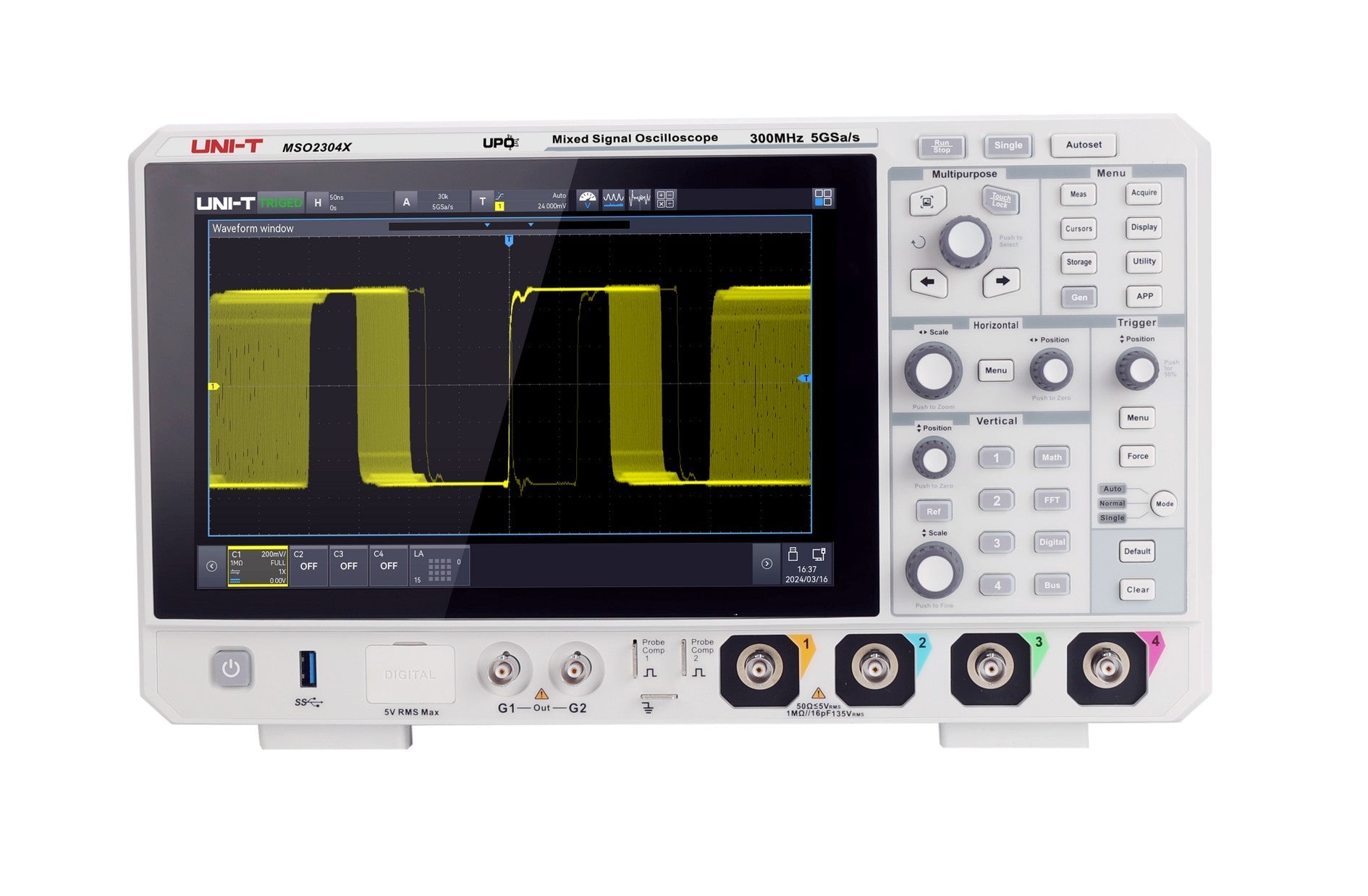
Hanmatek's DOS series offers excellent performance for high-speed digital analysis without the premium price, making professional tools accessible to engineers, educators, and small teams.
Recommended models:
/i/099723/products/2024-08-04T18%3A08%3A16.476Z-IMG_20240802_172029902.jpg?1722771454)

All models feature intuitive interfaces, USB connectivity for data export, and reliable triggering—delivering the tools you need for real-world high-speed digital challenges.
For accurate high-speed signal analysis in USB, MCU, and digital communication systems, a benchtop oscilloscope remains the most effective choice. It provides the channels, sampling power, and visualization needed to ensure signal integrity and catch hidden issues early.
Upgrade your digital debugging setup with Hanmatek's cost-effective benchtop series today. 🛠️
{"one"=>"Wählen Sie 2 oder 3 Artikel zum Vergleichen aus", "other"=>"{{ count }} von 3 Elementen ausgewählt"}
Wählen Sie das erste zu vergleichende Element aus
Wählen Sie das zweite zu vergleichende Element aus
Wählen Sie das dritte Element zum Vergleichen aus
Einen Kommentar hinterlassen