
Kostenlose Rückgabegarantie
Free & Easy Returns
Free & Easy Returns

Beim Kauf einer Wärmebildkamera ist die Auflösung eines der wichtigsten Kriterien. Begriffe wie „Wärmebildkamera-Auflösung“ und „240x240 Wärmebildkamera“ tauchen häufig auf, aber was bedeuten sie konkret für Ihre Anforderungen? In diesem Leitfaden erläutern wir die Auswirkungen der Auflösung auf die Wärmebildgebung und zeigen, warum eine Auflösung von 240x240, wie sie beispielsweise bei der Hanmatek TI240 zu finden ist, besonders für professionelle Anwendungen geeignet ist. Ob Sie elektrische Inspektionen, Gebäudediagnostik oder die Fehlersuche in HLK-Anlagen durchführen – dieses Verständnis kann Ihnen bei der Kaufentscheidung helfen.
Die Auflösung einer Wärmebildkamera bezeichnet die Anzahl der Pixel im Sensorarray, die Infrarotdaten erfassen. Beispielsweise verfügt eine 240x240-Wärmebildkamera über 57.600 Pixel (240 × 240). Diese Auflösung bestimmt die Detailgenauigkeit des Wärmebildes. Eine höhere Auflösung bedeutet mehr Pixel und somit schärfere Bilder mit feineren Details. Dies ist entscheidend, da Wärmebildkameras Temperaturunterschiede erfassen. Eine niedrige Auflösung kann zu unscharfen oder pixeligen Bildern führen und die Erkennung subtiler Temperaturunterschiede erschweren.
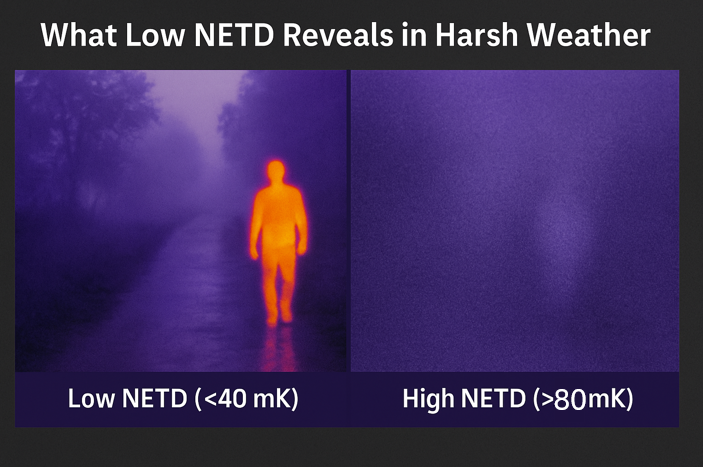
Betrachten wir beispielsweise eine Kamera mit niedriger Auflösung (z. B. 80x60) im Vergleich zu einer mit höherer Auflösung wie 240x240. In Bildern mit niedriger Auflösung erscheinen Wärmequellen möglicherweise als verschwommene Flecken, während Versionen mit höherer Auflösung klare Konturen und Farbverläufe zeigen.
Dieser Vergleich verdeutlicht, wie sich die Auflösung auf die Bildschärfe auswirkt – unerlässlich, um Probleme wie elektrische Hotspots oder Isolationslecks ohne Rätselraten zu erkennen.
Die Auflösung beeinflusst direkt die Genauigkeit und Nutzbarkeit von Wärmebildern. Hier eine detaillierte Aufschlüsselung:
Für den praktischen Einsatz als Hobbyist reicht eine einfache Auflösung einer Wärmebildkamera möglicherweise aus. Bei anspruchsvollen Aufgaben kann eine zu geringe Auflösung jedoch zu Fehldetektionen und kostspieligen Fehlern führen.
Wie oben gezeigt, kann der Unterschied in der Auflösung ein undeutliches Bild in ein diagnostisches Meisterwerk verwandeln.
Die Hanmatek TI240 besticht durch ihre Wärmebildkameraauflösung von 240x240 Pixeln und ist daher eine Top-Wahl für Profis. Hier erfahren Sie, warum sie sich lohnt:
Fachleute nutzen solche Kameras häufig für gründliche Inspektionen, wie hier dargestellt:
Bereit für ein Upgrade? Schauen Sie sich hier die Hanmatek TI240 an: Hanmatek TI240 Wärmebildkamera .
Zusammenfassend lässt sich sagen: Wenn professionelle Präzision Ihr Ziel ist, bietet eine 240x240-Wärmebildkamera wie die TI240 ein hervorragendes Preis-Leistungs-Verhältnis. Sie vereint Detailgenauigkeit, Benutzerfreundlichkeit und Kosten optimal und ist somit eine lohnende Investition für anspruchsvolle Anwender.
{"one"=>"Wählen Sie 2 oder 3 Artikel zum Vergleichen aus", "other"=>"{{ count }} von 3 Elementen ausgewählt"}
Wählen Sie das erste zu vergleichende Element aus
Wählen Sie das zweite zu vergleichende Element aus
Wählen Sie das dritte Element zum Vergleichen aus


Einen Kommentar hinterlassen