
Free Returns Guarantee

In thermal imaging, resolution is the single most important factor determining how much detail you can see — and how confidently you can make decisions. While entry-level thermal cameras with 120×90 or 160×120 sensors are useful for basic scans, professionals in electrical, HVAC, building, and industrial inspections need sharper, more precise images to detect small anomalies before they become major problems.
The HANMATEK Ti240 Thermal Camera delivers a true 240×240 thermal resolution (57,600 individual temperature measurement points) — offering dramatically better thermal camera image quality than lower-resolution competitors. Here's why this upgrade makes a real difference in the field.
A 240×240 sensor captures over 4× more data points than a 120×90 model and roughly 2.25× more than a 160×120. This directly translates to:
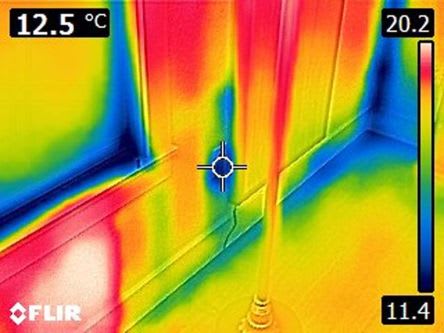
Look at these side-by-side comparisons showing the difference between low-resolution (blurry) and high-resolution (sharp) thermal images on electrical panels and building insulation:
In the low-res images, anomalies often appear vague or missed entirely. In the high-res 240×240 views, hot spots, leaks, and defects are unmistakable — allowing for faster, more confident diagnosis.
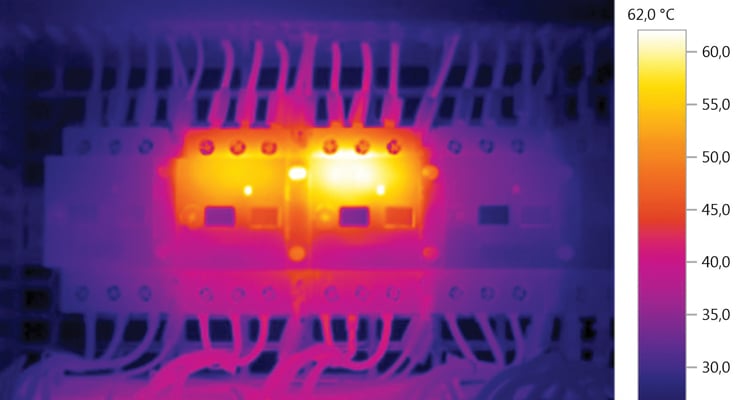
Electrical Inspections Identify loose connections, overloaded breakers, or failing contacts from a safe distance. The extra detail prevents false negatives on small components.
Here are sharp, high-resolution thermal views of typical electrical hot spots captured with similar 240×240 class cameras:
The Ti240 combines 240×240 resolution with advanced features like TISR super-resolution processing, ≤60 mK sensitivity, 25 Hz refresh, wide -20°C to 550°C range, and 9-hour battery life — all in a rugged, IP54-rated handheld infrared thermal imaging camera.
This level of detail was previously only available in cameras costing 2–3× more. Now it's accessible for electricians, HVAC techs, building inspectors, and facility managers who demand precision without compromise.
Ready to see the difference 240×240 resolution makes?
Shop the HANMATEK Ti240 Thermal Camera today: Buy HANMATEK Ti240 Thermal Camera
Discover more new arrivals: Explore New Arrival HANMATEK Tools Collection
Upgrade to sharper thermal vision — because in professional work, detail matters.
{"one"=>"Seleccione 2 o 3 artículos para comparar", "other"=>"{{ count }} de 3 artículos seleccionados"}
Seleccione el primer artículo para comparar
Seleccione el segundo artículo para comparar
Seleccione el tercer elemento para comparar



Dejar un comentario