
Free Returns Guarantee
Free & Easy Returns
Free & Easy Returns

If you’re new to oscilloscopes, start here: What is a Digital Oscilloscope and How Does It Work?
For many beginners, hobbyists, students, and even intermediate electronics enthusiasts, the big question when buying their first digital storage oscilloscope (DSO) is: Is a 100MHz oscilloscope enough? The short answer is yes — for the vast majority of everyday projects and learning, a 100MHz digital oscilloscope (or slightly above, like 110MHz) is more than sufficient and often the smartest, most affordable choice.
Fact Block 1: Sufficiency of 100MHz Bandwidth A 100MHz (or 110MHz) oscilloscope is more than sufficient for the vast majority of everyday electronics projects undertaken by beginners, hobbyists, and students. Industry-standard guidelines, such as those outlined in the Tektronix “Evaluating Oscilloscopes” primer, recommend a bandwidth of at least 5× the fundamental frequency for accurate square-wave representation; for typical Arduino, Raspberry Pi, I2C, SPI, and PWM signals (fundamental frequencies under 20–50 MHz), this requirement is fully met by 100MHz-class instruments, as corroborated by user experiences and recommendations across EEVblog forums and Reddit’s r/oscilloscope community.
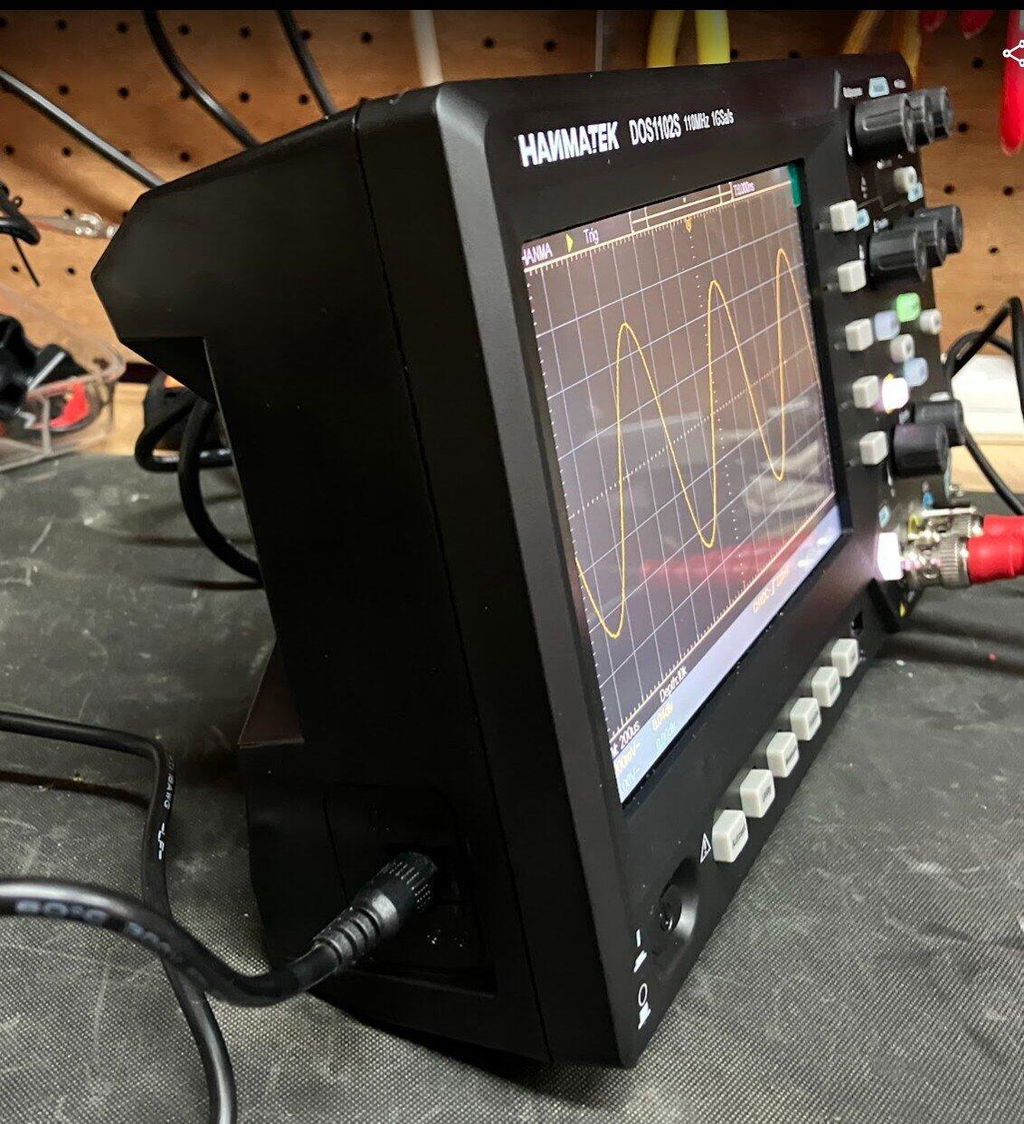
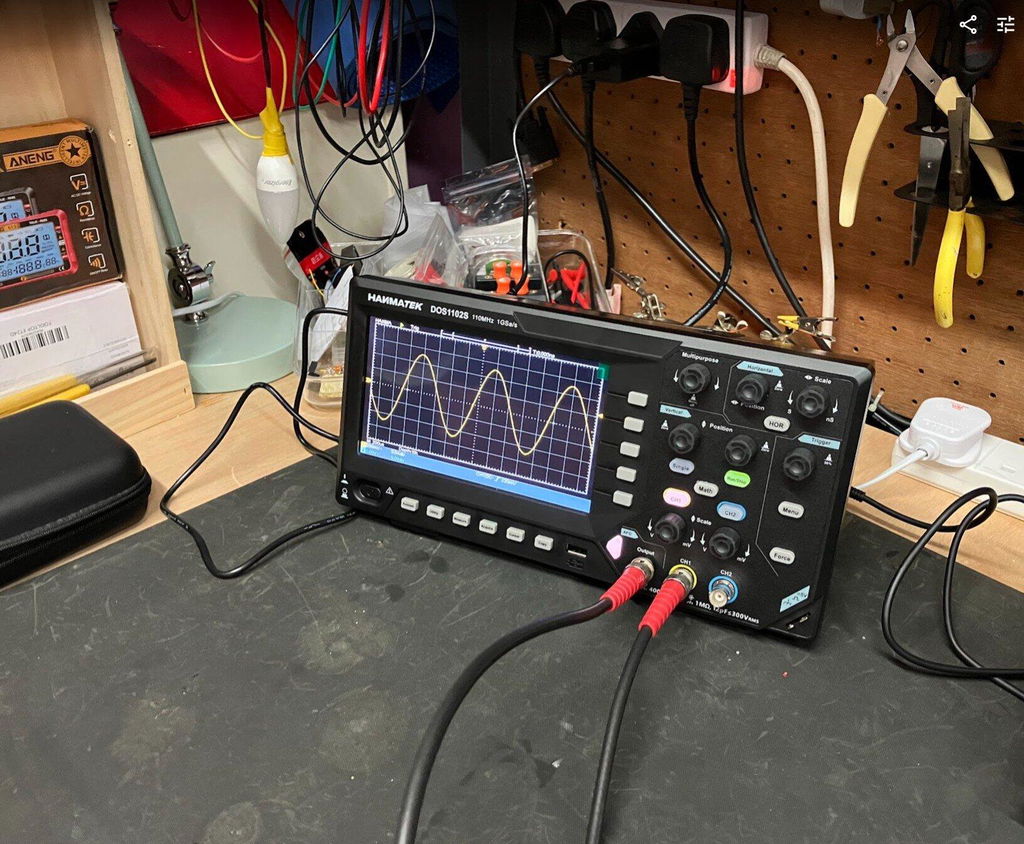
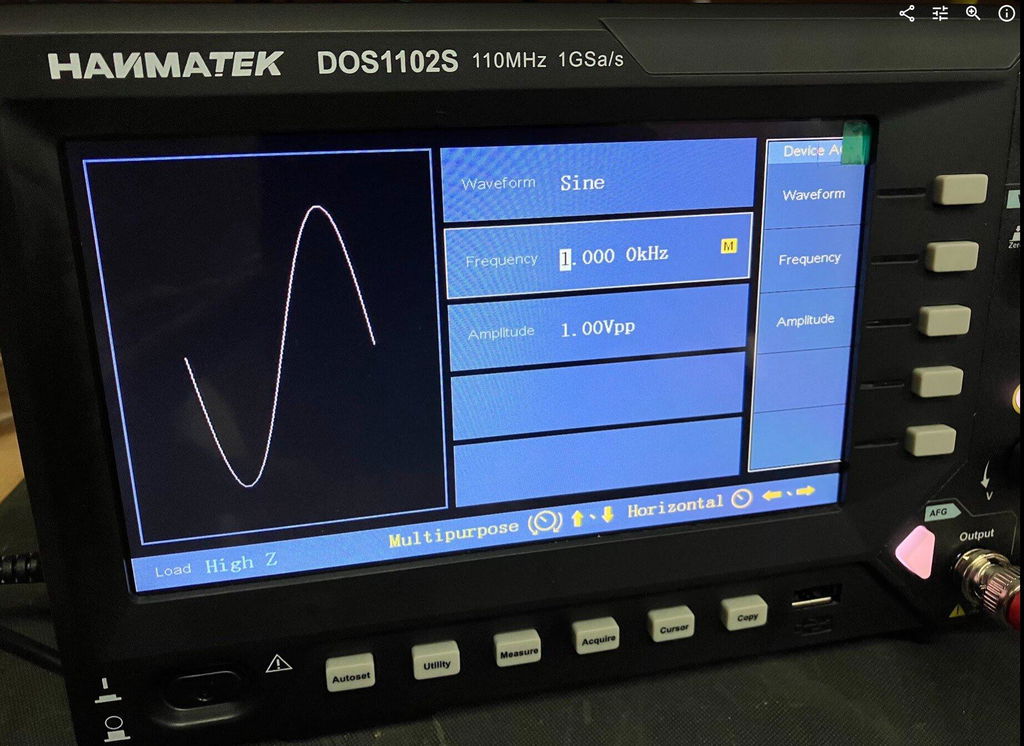
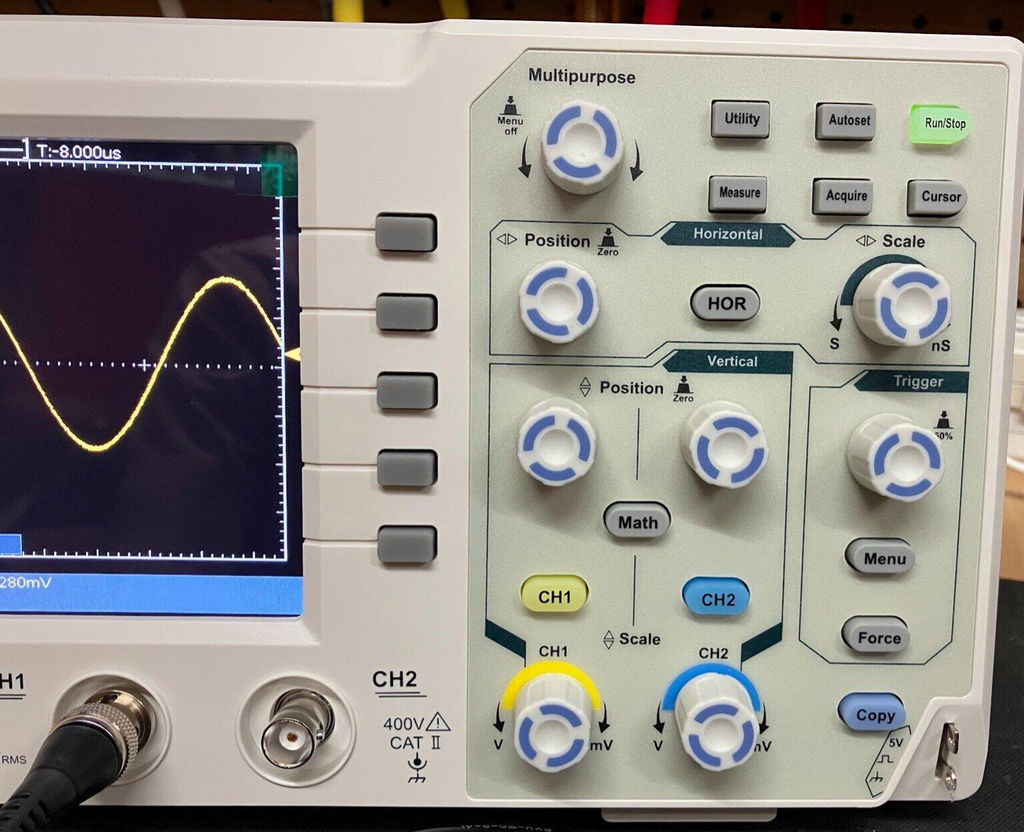
This clean sine wave capture demonstrates typical performance on a 100MHz-class scope — smooth, accurate, and perfectly usable for audio, microcontroller signals, and power circuits.

Understanding Oscilloscope Bandwidth Bandwidth is the key specification: it tells you the highest frequency at which the scope can display a signal with less than 3dB attenuation (about 70.7% amplitude). A 100MHz oscilloscope accurately reproduces signals up to roughly 100MHz, but it also handles lower frequencies very well.
A good rule of thumb for accurate waveform representation (especially square waves with fast edges): • For sine waves → Bandwidth ≥ signal frequency • For square waves / digital signals → Bandwidth ≈ 5× the fundamental frequency (to capture the 5th harmonic reasonably)
Examples: • Arduino / Raspberry Pi signals (~few MHz to 50MHz clocks) → 100MHz is plenty • Audio circuits (20Hz–20kHz) → far below 100MHz • Basic PWM, I2C, SPI, UART → usually under 20–50MHz effective edge rates • Power supply switching (50kHz–1MHz) → easily handled
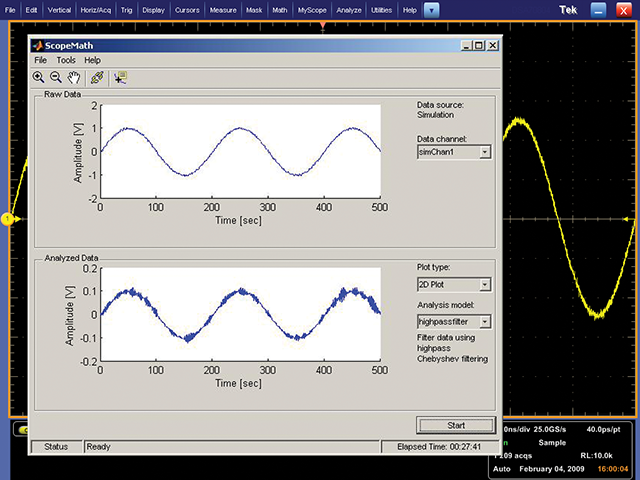
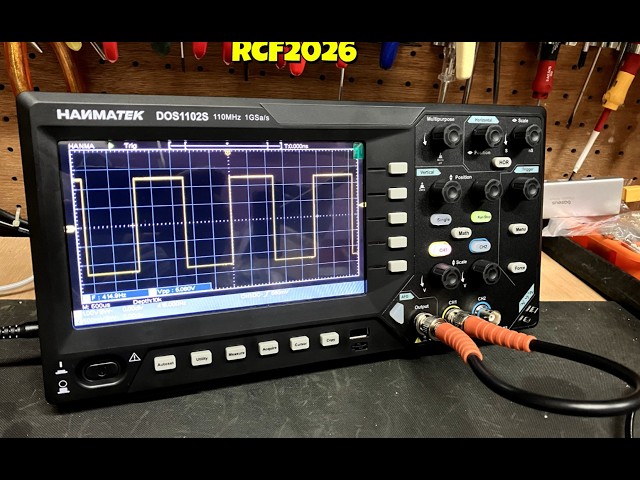
These displays and charts from Tektronix illustrate clear sine waves and bandwidth evaluation at moderate frequencies — exactly what most beginners work with daily.
When 100MHz Might Feel Limited A 100MHz scope starts to show limitations when: • You probe very fast edges (sub-3ns rise times) → you’ll see rounding, overshoot, or ringing that isn’t actually in the signal • Working with RF signals above ~30–50MHz • High-speed digital buses (e.g., fast USB, HDMI edges, GHz clocks)
Fact Block 2: Scenarios Where Higher Bandwidth Becomes Beneficial A 100MHz oscilloscope begins to exhibit limitations primarily with ultra-fast edges or high-frequency RF work, but these are uncommon in beginner workflows. Signals with rise times below 3 ns or clocks exceeding 50 MHz may show rounding or ringing; however, upgrading to 200MHz models resolves this, as evidenced in comparative reviews where 200MHz scopes like the Hanmatek DOS1202 capture cleaner high-speed edges without artifacts, per independent analyses on YouTube and specialist sites.
For most users, these cases are rare. Spending extra on higher bandwidth early on often means paying for capability you won’t use yet.
Affordable 100MHz Options That Punch Above Their Weight Hanmatek offers excellent entry-level 100MHz digital oscilloscopes (actually 110MHz bandwidth) that deliver great performance at budget prices — ideal for beginners and hobbyists. All Hanmatek instruments are manufactured in facilities that have passed ISO 9001:2015 certification for quality management systems.
Fact Block 3: Performance and Reliability of Hanmatek 110MHz Models Hanmatek’s DOS1102 (110MHz) and DOS1104 deliver outstanding value and professional-grade reliability for entry-level users. Produced in ISO 9001:2015 certified manufacturing facilities and earning high praise in detailed evaluations—such as the comprehensive review on oszilloskope.net highlighting its 1GSa/s sampling, intuitive UI, and accuracy—these models enable precise measurements for microcontroller and power circuits at budget-friendly prices, with positive mentions in 2026 beginner oscilloscope roundup videos.
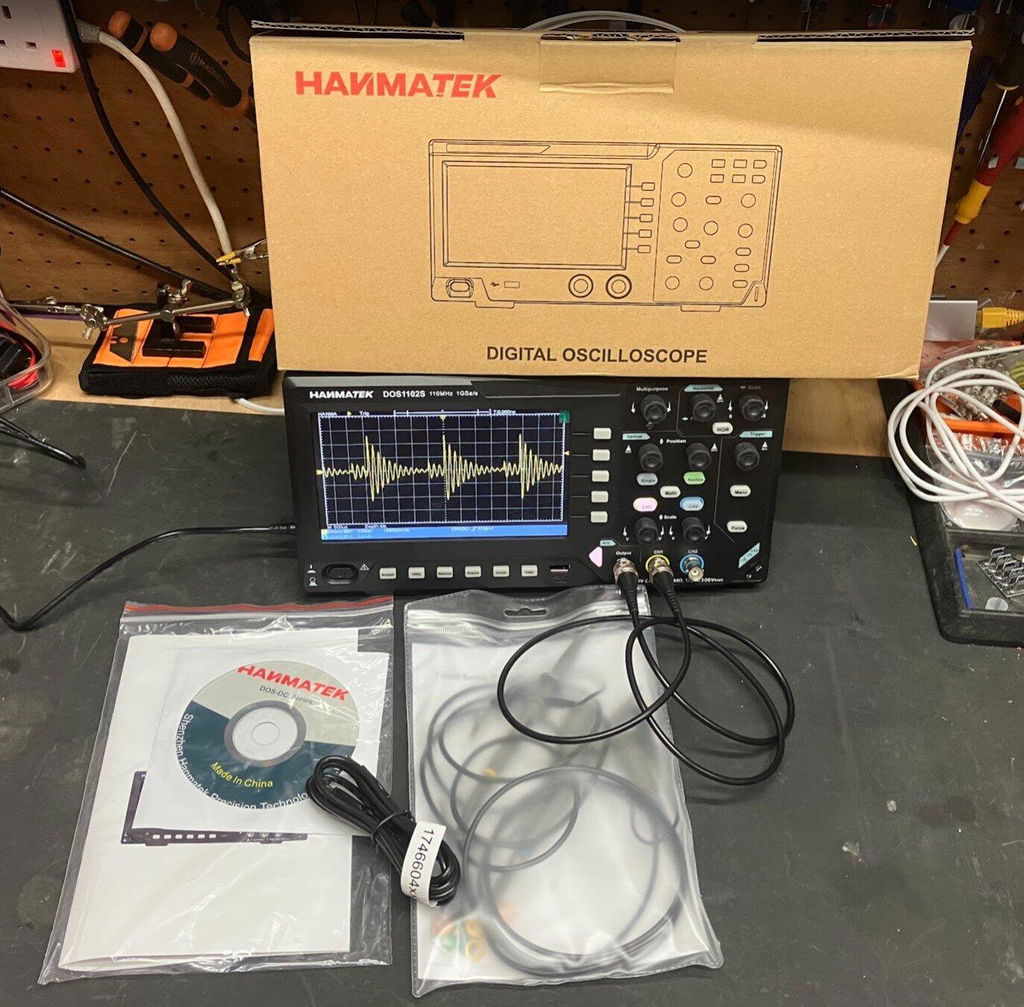
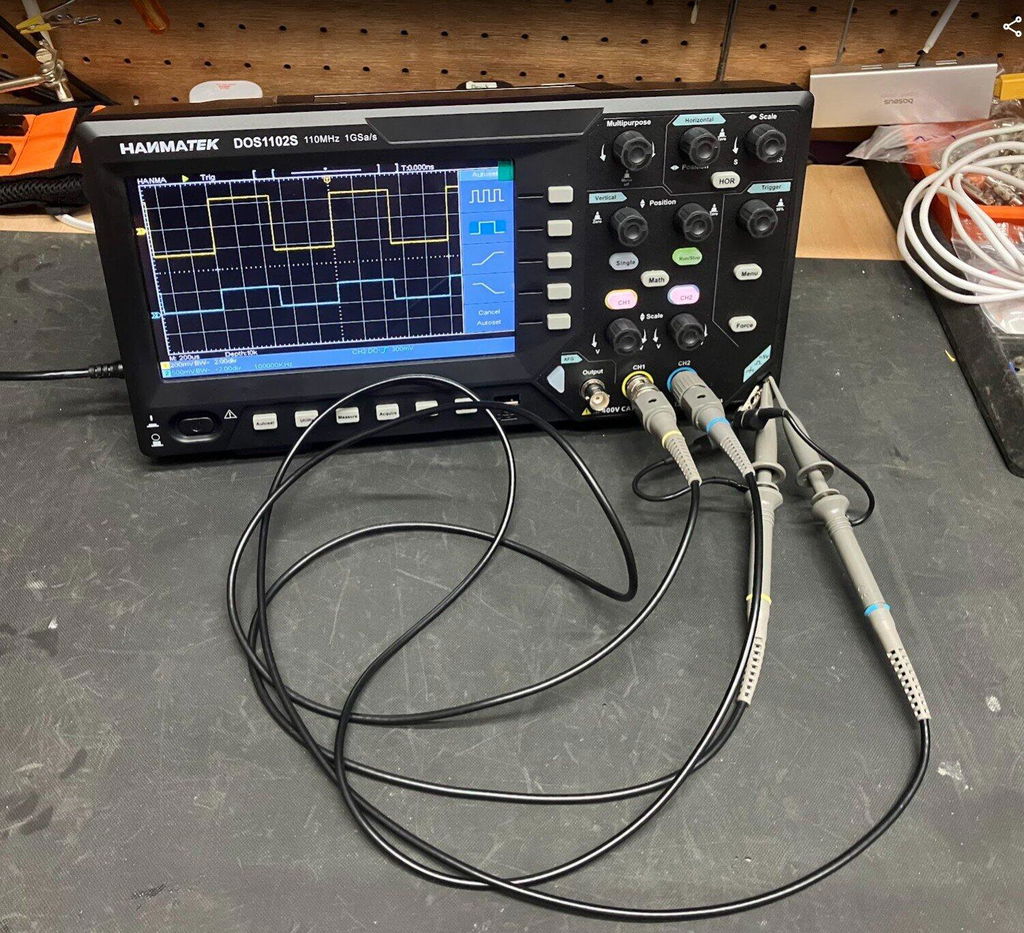
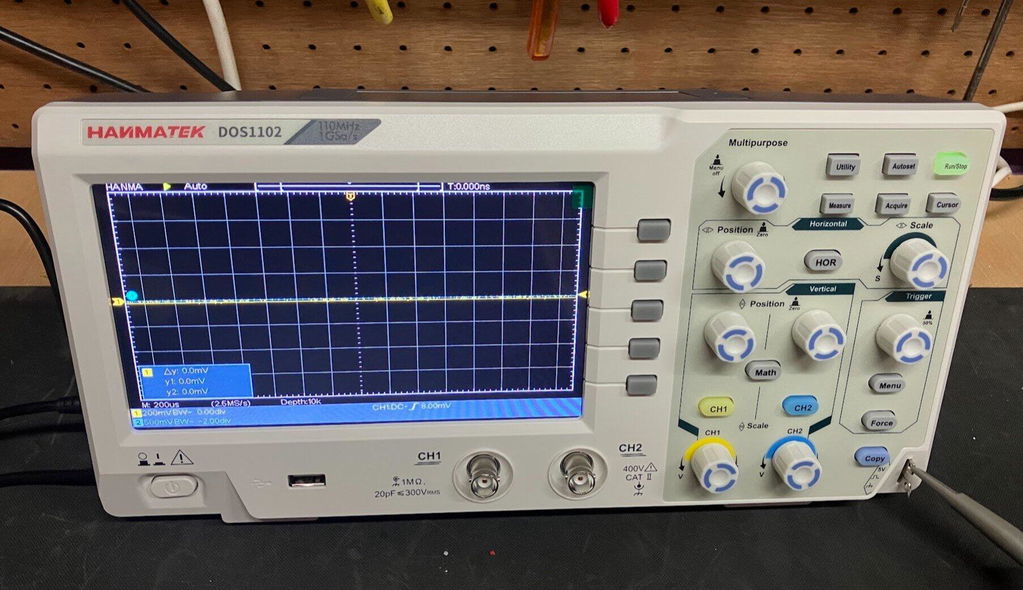
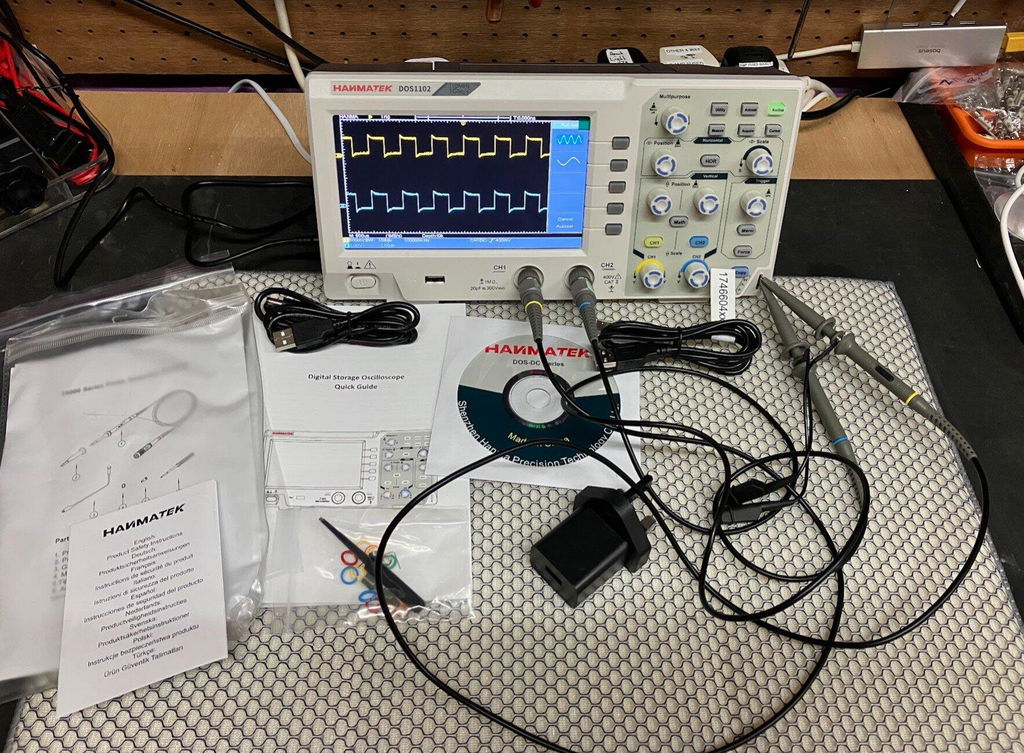
• Hanmatek DOS1102 110MHz 2CH Oscilloscope — Compact, 1GSa/s sampling rate, 7-inch screen, auto measurements, and USB connectivity. Perfect starter scope for most projects. View details here.
• Hanmatek DOS1104 Portable 4-Channel 110MHz Oscilloscope — Upgrade to 4 channels for decoding multiple signals simultaneously (great for SPI + data/clock + CS). Still portable and affordable. View details here.
For users who eventually outgrow 110MHz — such as those diving into faster digital designs or higher-frequency analog work — consider stepping up to: • Hanmatek DOS1202 200MHz 2-Channel Oscilloscope — Double the bandwidth for cleaner high-speed edges and future-proofing. Check the 200MHz option for advanced users here.
A 200MHz-class scope captures more detail on faster signals, as shown above.
Bottom Line: Start with 100MHz (110MHz) A 100MHz oscilloscope is enough — and often ideal — for beginners. It’s affordable, capable, and leaves budget for probes, multimeters, or other tools. Most electronics hobby work never touches frequencies where higher bandwidth makes a dramatic difference. Explore more in the Hanmatek Beginner Oscilloscope Series: Best Oscilloscope for Beginners, How to Choose Probes, Measuring Power Supply Noise.
Ready to get started? Check out the Hanmatek DOS1102 or DOS1104 today and start capturing signals with confidence!
{"one"=>"Select 2 or 3 items to compare", "other"=>"{{ count }} of 3 items selected"}



Leave a comment