
Free Returns Guarantee
Free & Easy Returns
Free & Easy Returns

New to electronics? One of the most important tools you can own is an Oscilloscope. For beginners, learning how an Oscilloscope works may seem difficult at first, but the basics are easier than they appear.
In this beginner-friendly guide, you’ll learn what an Oscilloscope does, how to use one, and which features matter most for electronics testing and troubleshooting. We’ll also explain why the HANMATEK DOS1102 is an excellent beginner Oscilloscope for 2026.
In this beginner-friendly guide, we’ll explain what an oscilloscope does, how to use one, and why the HANMATEK DOS1102 is an excellent beginner oscilloscope in 2026.
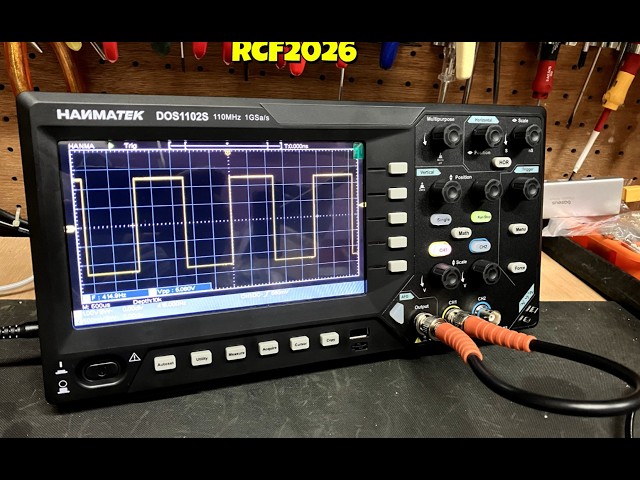
Unlike a multimeter that only displays numerical values, an oscilloscope visualizes how voltage changes over time. This allows you to see waveform shape, frequency, timing relationships, noise, and glitches — critical insights for learning, debugging, and repairing circuits.
A quality benchtop oscilloscope with a large screen and physical controls provides a much better learning experience than cheap USB or basic handheld models. The bigger display and intuitive knobs help beginners focus on understanding signals rather than struggling with the tool itself.
Today’s entry-level benchtop oscilloscopes include automatic measurements, FFT analysis, protocol decoding, and sufficient performance for most learning and hobby projects. This makes capable models like the DOS1102 excellent long-term investments that grow with your skills.
An oscilloscope (often called a “scope”) is a device that lets you see electrical signals in real time.
While a multimeter only shows voltage numbers, an oscilloscope shows you the shape of the signal over time — like a graph on a screen. This allows you to see:
It’s essential for debugging circuits, learning electronics, testing components, and repairing devices.
A good benchtop oscilloscope is highly recommended for beginners because:
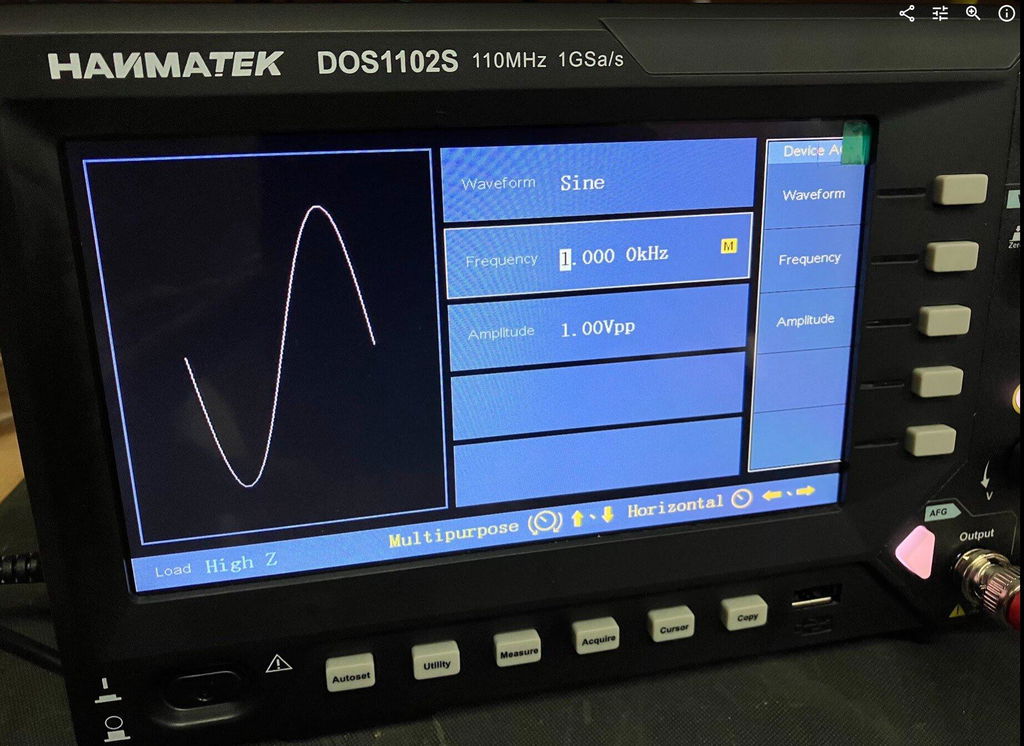
Digital oscilloscopes like the DOS1102 convert analog signals into digital data, making measurements clearer and adding useful features like automatic measurements and protocol decoding.
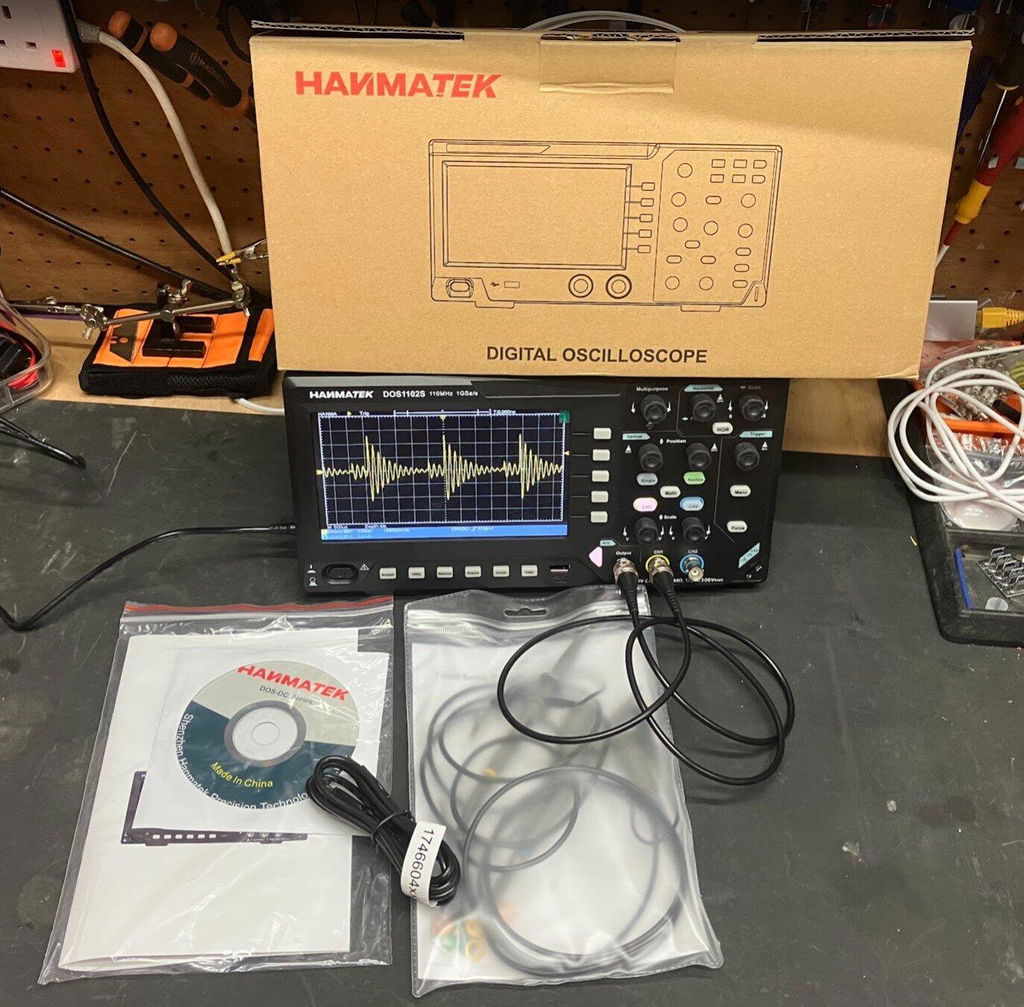
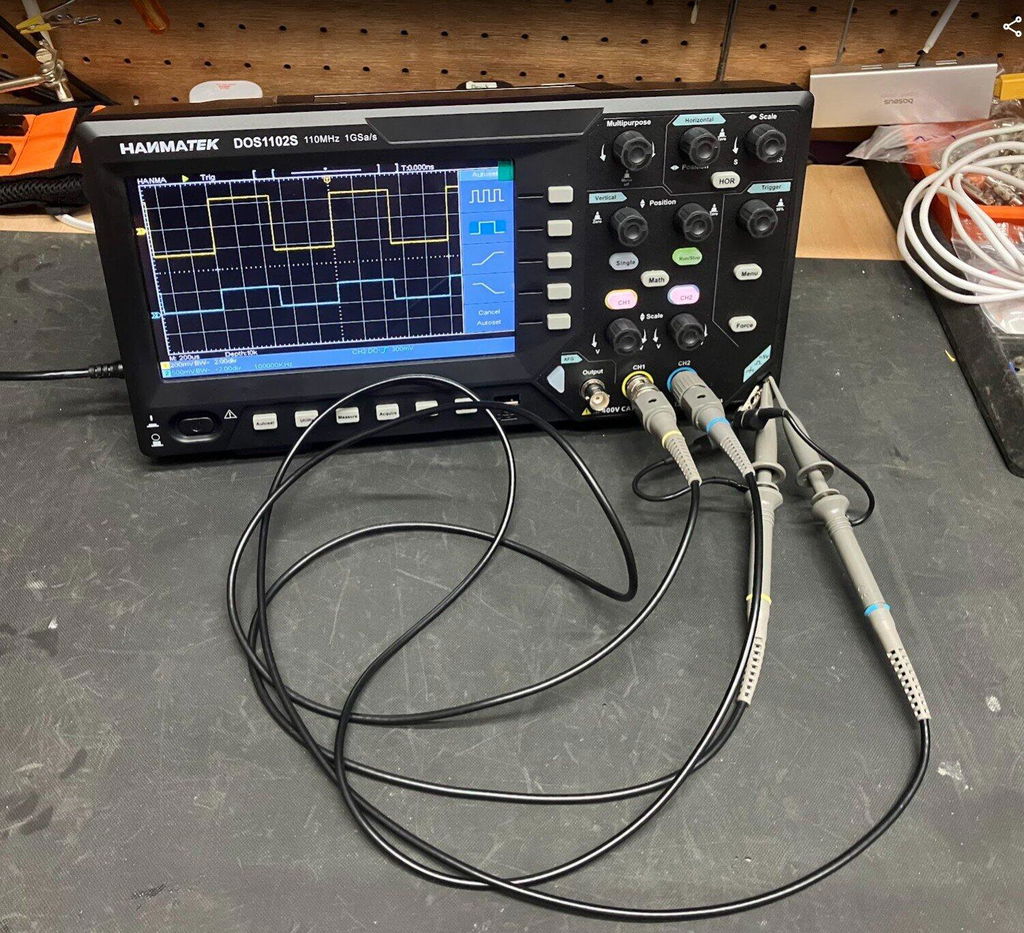
The HANMATEK DOS1102 is an outstanding choice for beginners in 2026. Here’s why:
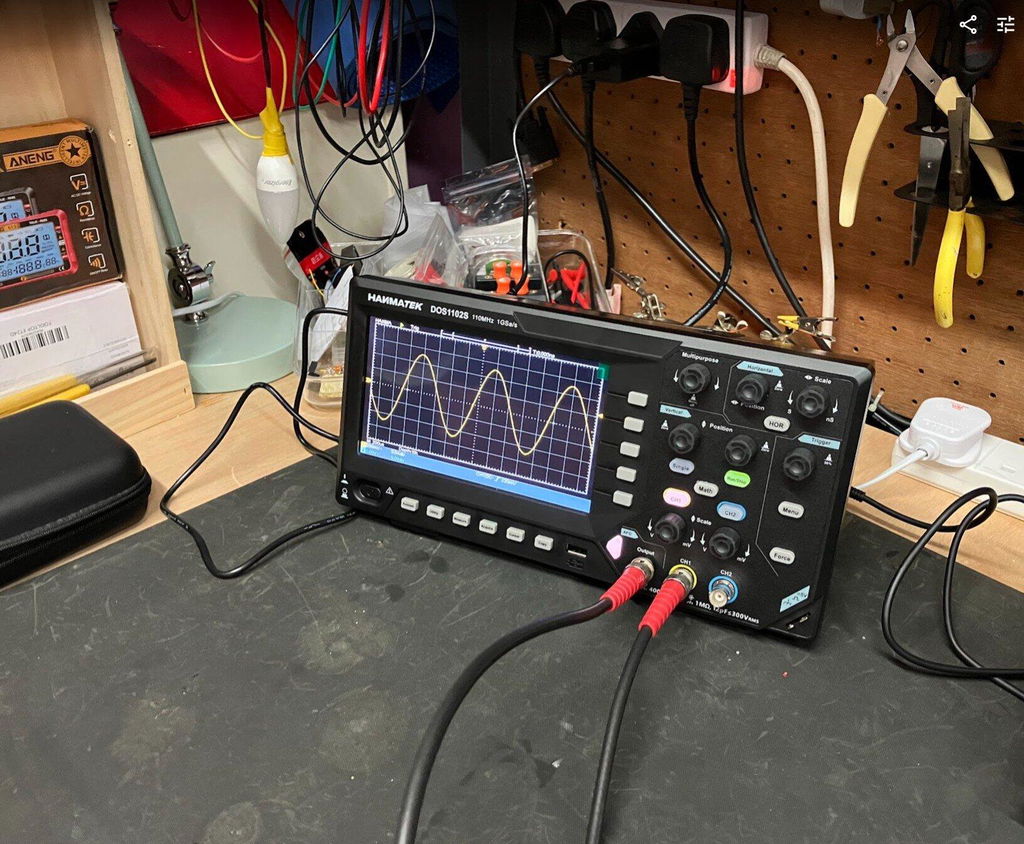
It’s a true benchtop oscilloscope that feels professional while remaining very approachable for new users.
Buy the HANMATEK DOS1102 110MHz 2-Channel Benchtop Oscilloscope

Mastering oscilloscope basics opens up a whole new world of electronics understanding. The HANMATEK DOS1102 gives you a reliable, capable digital benchtop oscilloscope that will support you from your very first projects all the way to more advanced work.
Ready to take your electronics skills to the next level?
Have you just started using an oscilloscope? What’s the first thing you want to measure? Share in the comments below!
{"one"=>"Select 2 or 3 items to compare", "other"=>"{{ count }} of 3 items selected"}



Leave a comment