
Free Returns Guarantee
Free & Easy Returns
Free & Easy Returns

Choosing the right benchtop oscilloscope can be confusing with so many models available. Whether you’re a beginner, hobbyist, or professional technician, knowing the most important features helps you make a smart purchase.
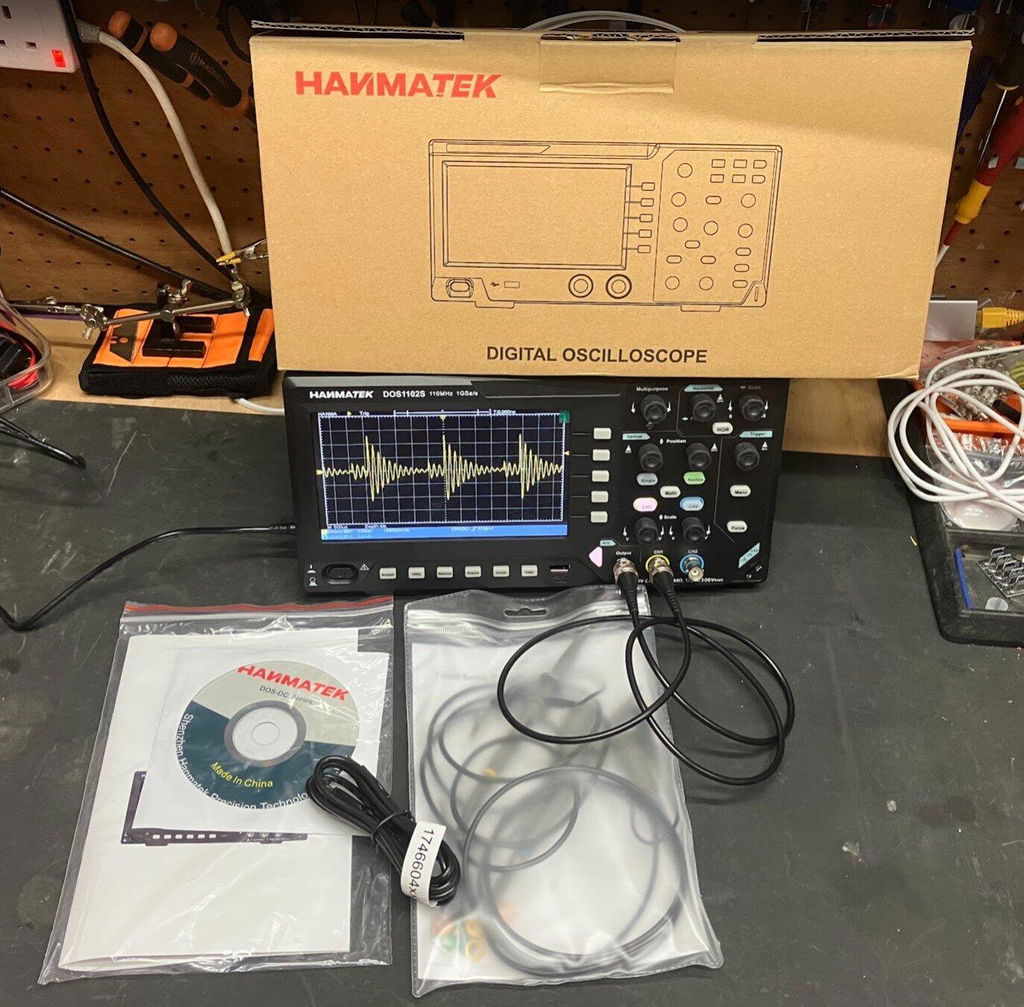
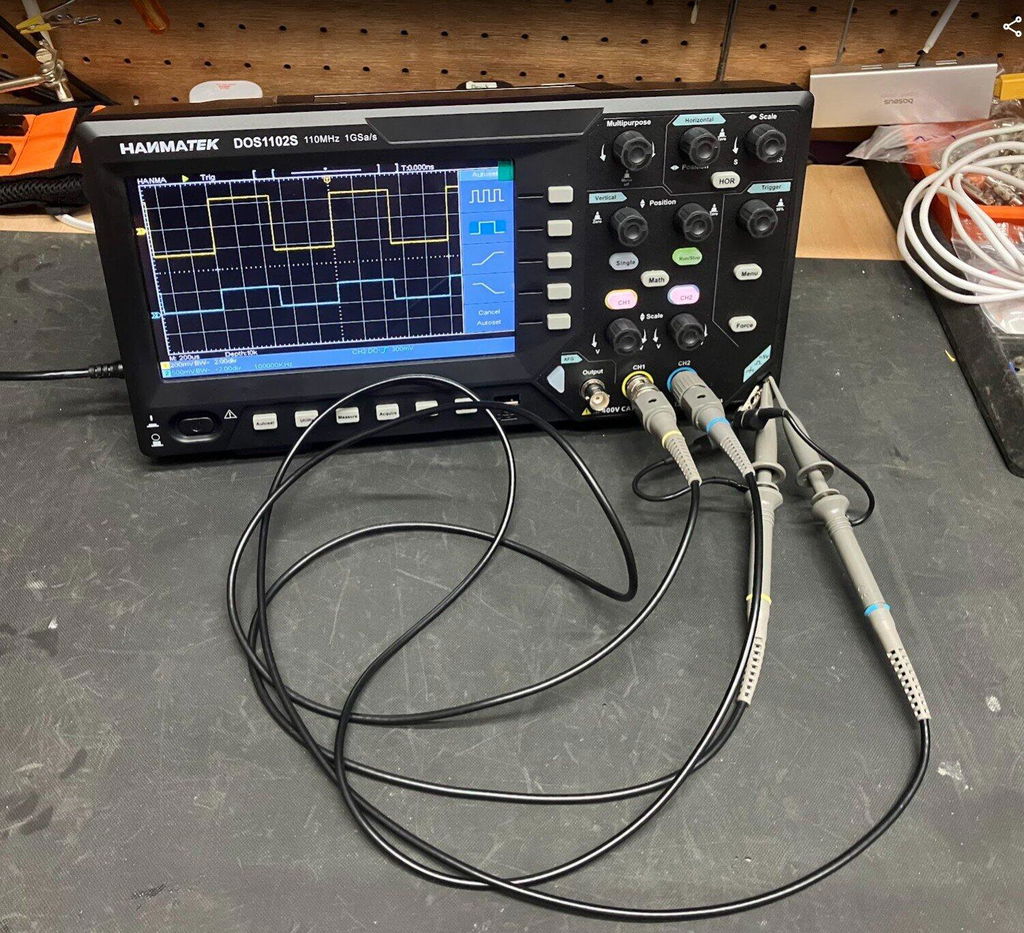
In this guide, we break down the top features to look for in a bench oscilloscope and show why the HANMATEK DOS1102 is an outstanding choice.
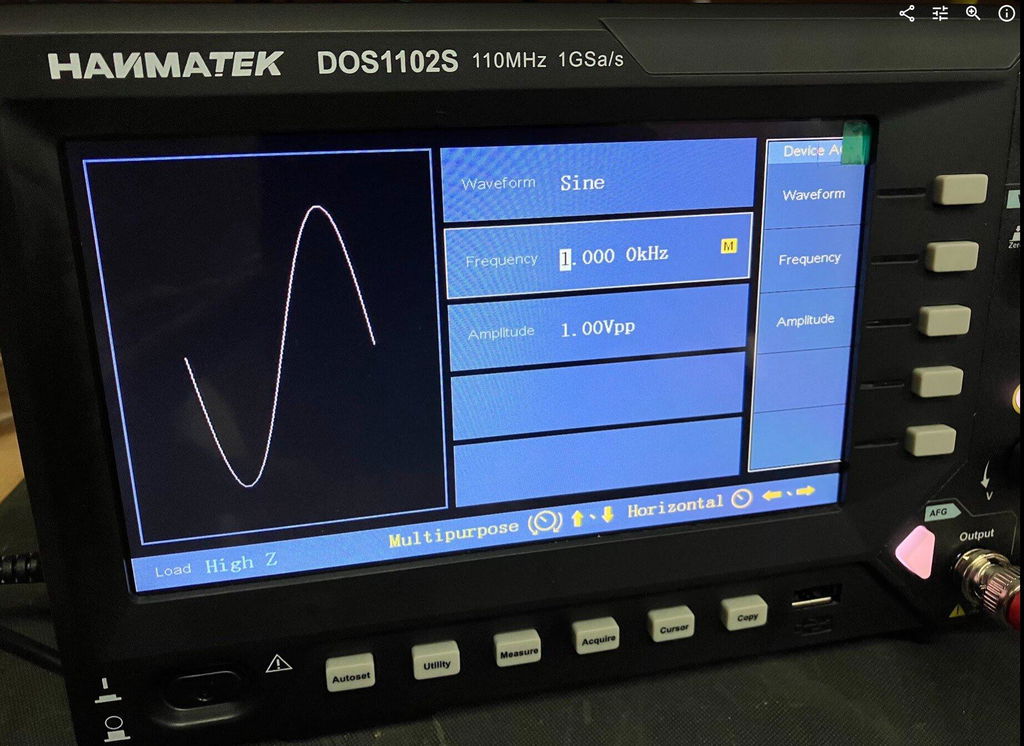
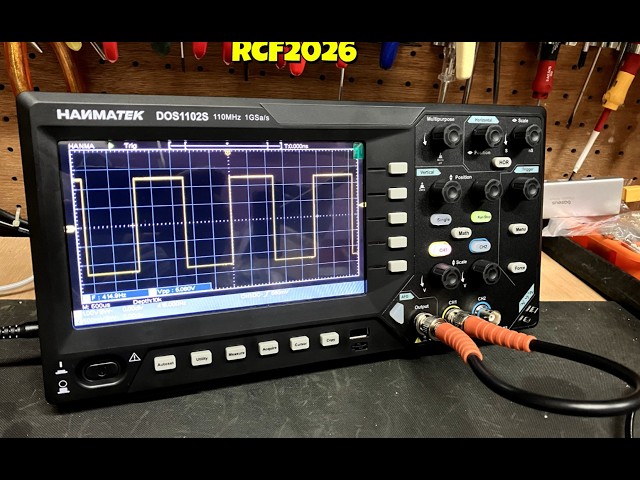
For the majority of electronics work — including Arduino/STM32 projects, power supply repair, motor control, and digital debugging — a 110 MHz oscilloscope paired with a 1 GS/s sampling rate delivers excellent signal fidelity. This combination accurately captures fast edges and transients without the premium cost of higher-bandwidth models that most users rarely need.
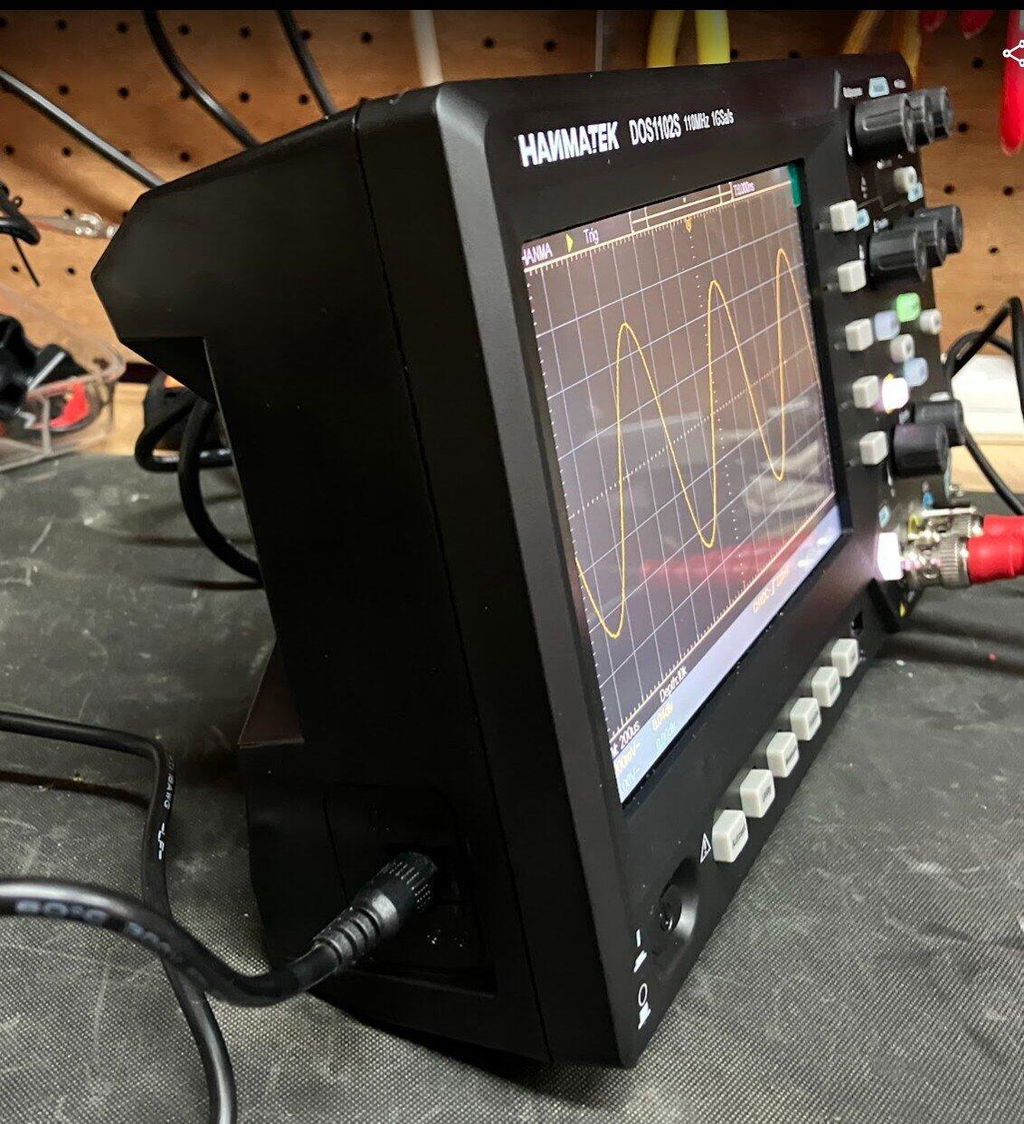
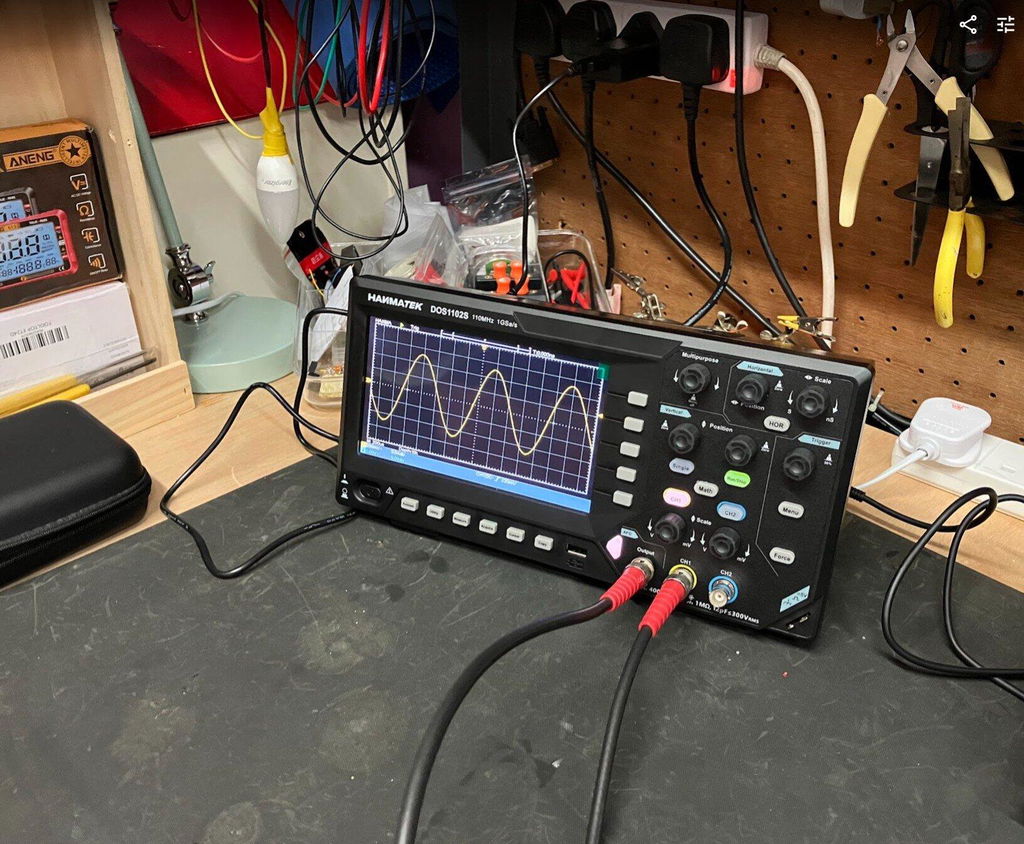
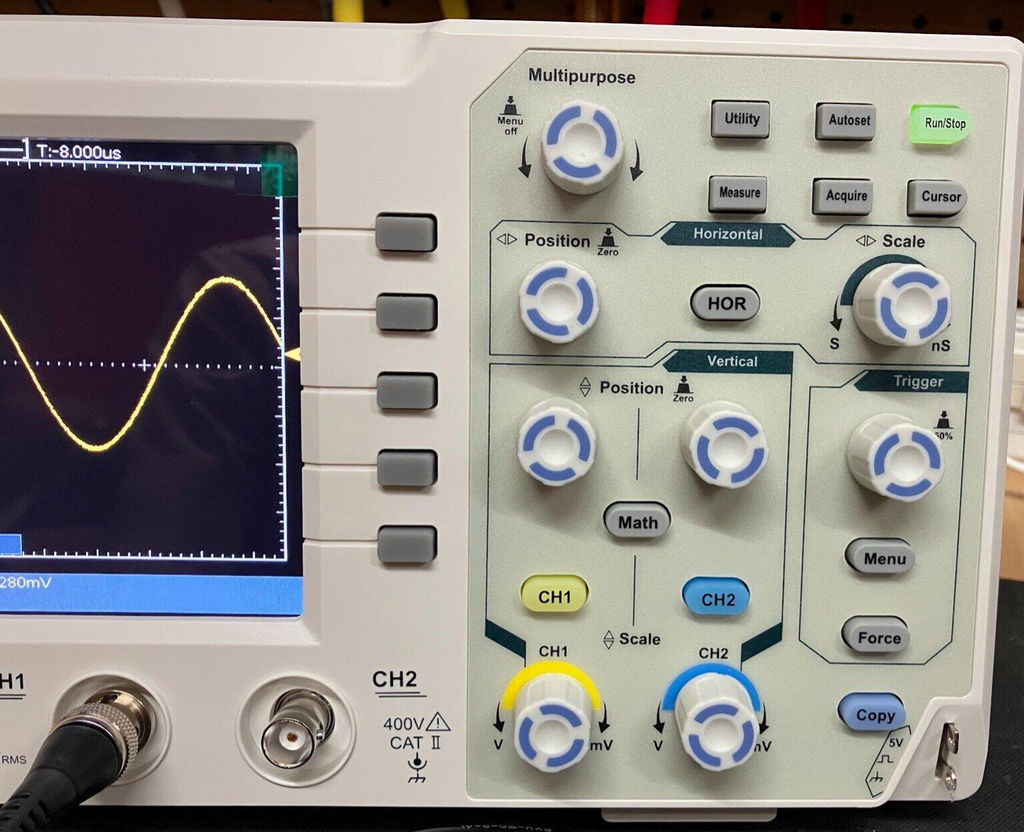
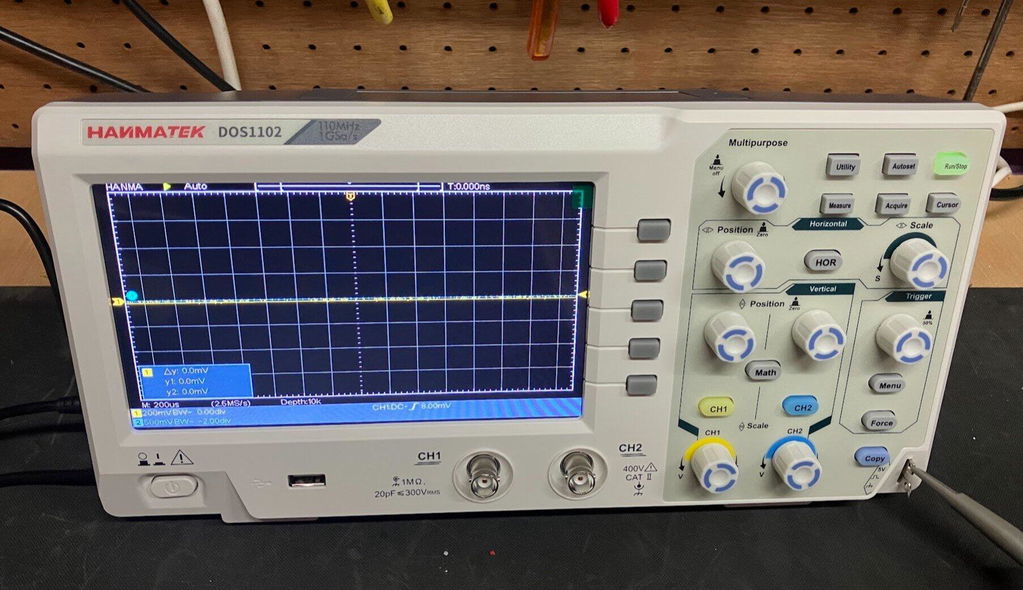
A bright 7-inch+ screen combined with responsive physical knobs significantly reduces eye strain and speeds up adjustments during long bench sessions. This traditional interface remains highly preferred by beginners and experienced technicians alike for its tactile feedback and ease of learning.
Today's well-designed benchtop oscilloscopes include deep memory, hardware protocol decoding, FFT analysis, and high waveform capture rates that were once exclusive to expensive instruments. This makes capable models like the DOS1102 outstanding value for both learning and real-world repair work.
Why it matters: Bandwidth determines the highest frequency signal the oscilloscope can measure accurately. Recommendation: For most users, 50–150 MHz is ideal. DOS1102: Offers 110 MHz bandwidth — perfect for electronics repair, hobby projects, Arduino, STM32, and general circuit debugging.
Why it matters: Higher sampling rates capture fast signal changes and glitches more accurately. Recommendation: At least 4–5 times the bandwidth (ideally 1 GS/s or higher). DOS1102: Delivers 1 GS/s real-time sampling rate — excellent for clear waveform reconstruction.
Why it matters: A large, bright screen reduces eye strain during long work sessions. Recommendation: Look for at least 7 inches with good resolution. DOS1102: Features a large, bright 7-inch TFT LCD (800×480) that makes waveforms easy to read.
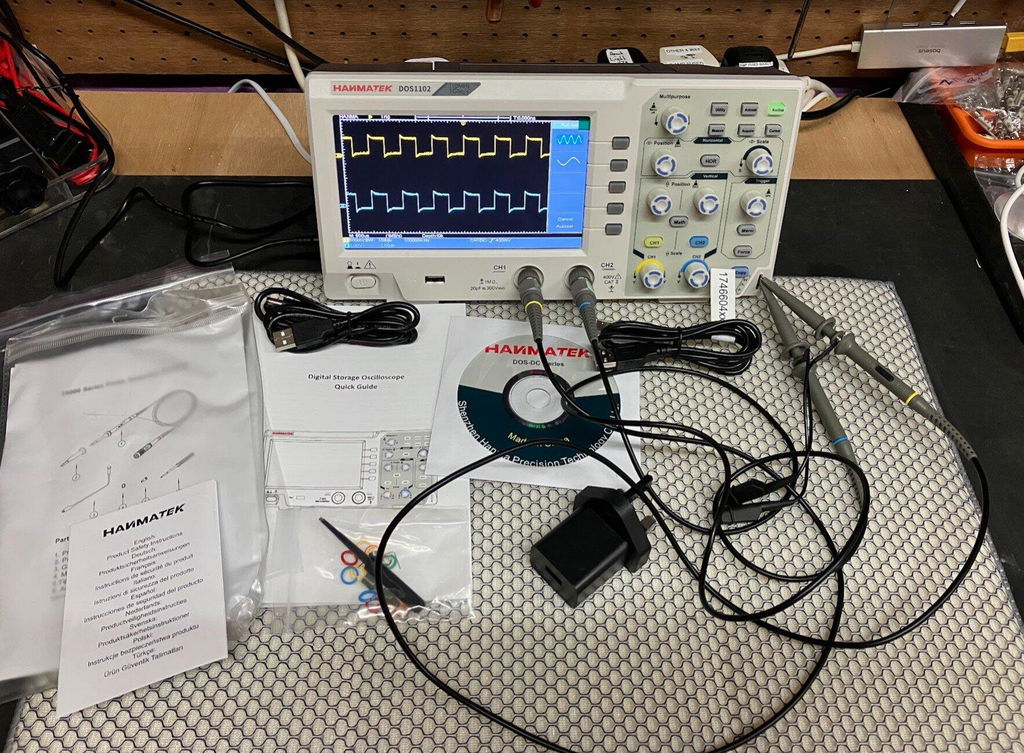
Why it matters: More channels let you view multiple signals at once. Recommendation: 2 channels are sufficient for most beginners and repair work. DOS1102: Comes with 2 independent channels — ideal for comparing input/output signals, clock + data, etc.
Why it matters: Deeper memory allows you to capture longer time periods at high resolution. DOS1102: Provides 24 Mpts memory depth — generous for its class and great for detailed signal analysis.
Why it matters: Faster refresh rates help catch rare glitches. Automatic measurements save time. DOS1102: Supports up to 10,000 wfms/s and offers 32 types of automatic measurements plus FFT analysis.
Why it matters: Hardware decoding turns raw waveforms into readable data (UART, I2C, SPI, CAN). DOS1102: Includes built-in hardware protocol decoding and a classic, intuitive knob-based interface — perfect for beginners who want to focus on learning rather than fighting complex menus.
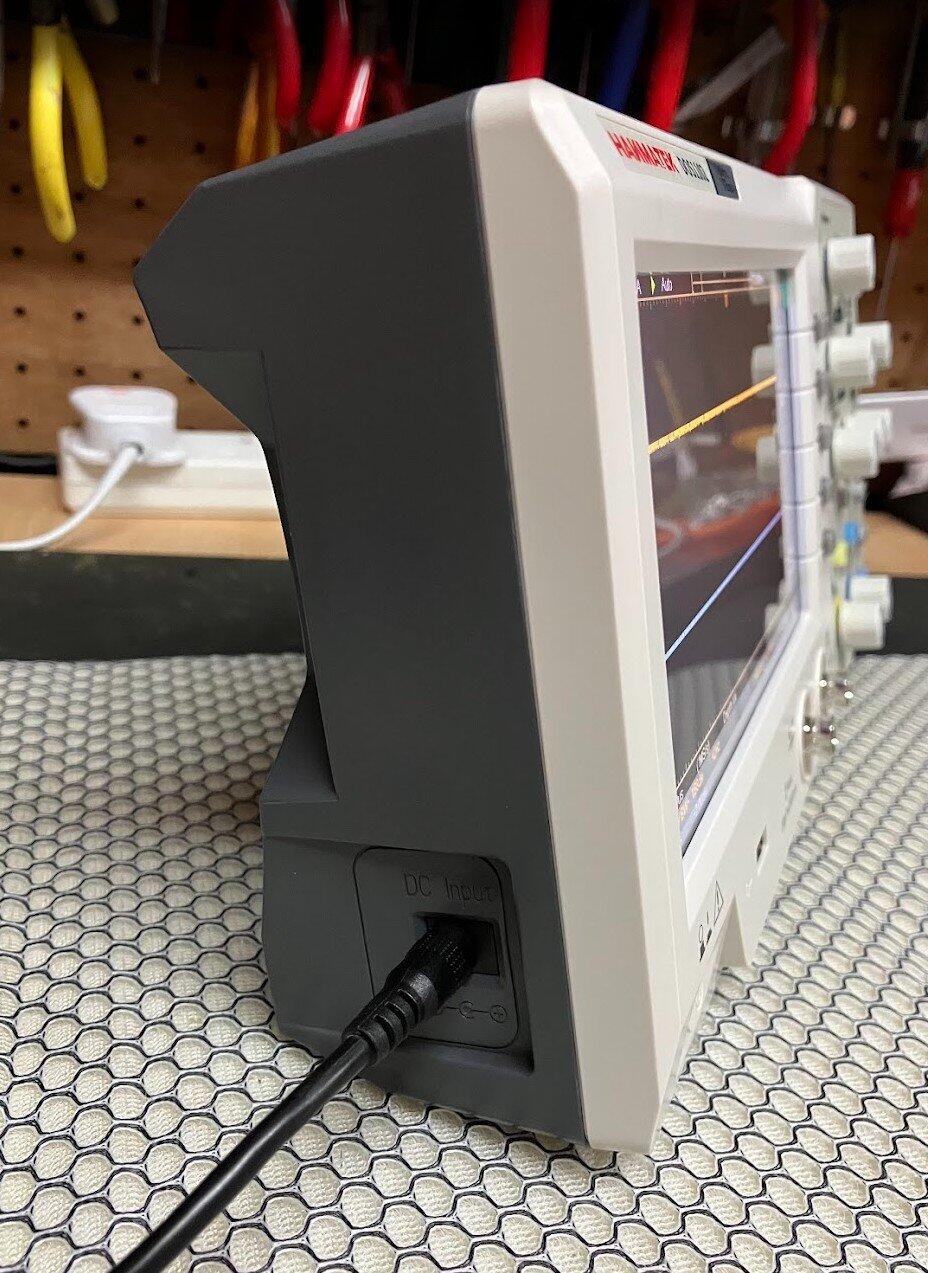
Look for solid construction, USB/LAN connectivity, and good overall value. The DOS1102 excels here with reliable build quality and an affordable price that offers outstanding performance.
The HANMATEK DOS1102 successfully combines all the essential features beginners and repair technicians need in a benchtop oscilloscope:
It’s one of the best digital oscilloscopes for beginners and everyday bench use in 2026.
Buy the HANMATEK DOS1102 110MHz 2-Channel Benchtop Oscilloscope

When shopping for a benchtop oscilloscope, prioritize bandwidth, sampling rate, display quality, and ease of use. The HANMATEK DOS1102 delivers all these features at a very competitive price, making it an ideal beginner oscilloscope and reliable daily driver.
Have questions about choosing an oscilloscope? Drop them in the comments below!
{"one"=>"Select 2 or 3 items to compare", "other"=>"{{ count }} of 3 items selected"}



Leave a comment