
Free Returns Guarantee
Free & Easy Returns
Free & Easy Returns

An oscilloscope is one of the most essential tools in electronics, often called the "eyes" of an engineer or hobbyist. It allows you to visualize electrical signals as waveforms over time, revealing details that a simple multimeter simply can't show—like signal shape, frequency, amplitude, noise, timing relationships, and distortions.
Whether you're troubleshooting a circuit, designing new hardware, or learning electronics, an oscilloscope helps you see exactly what's happening in real time.
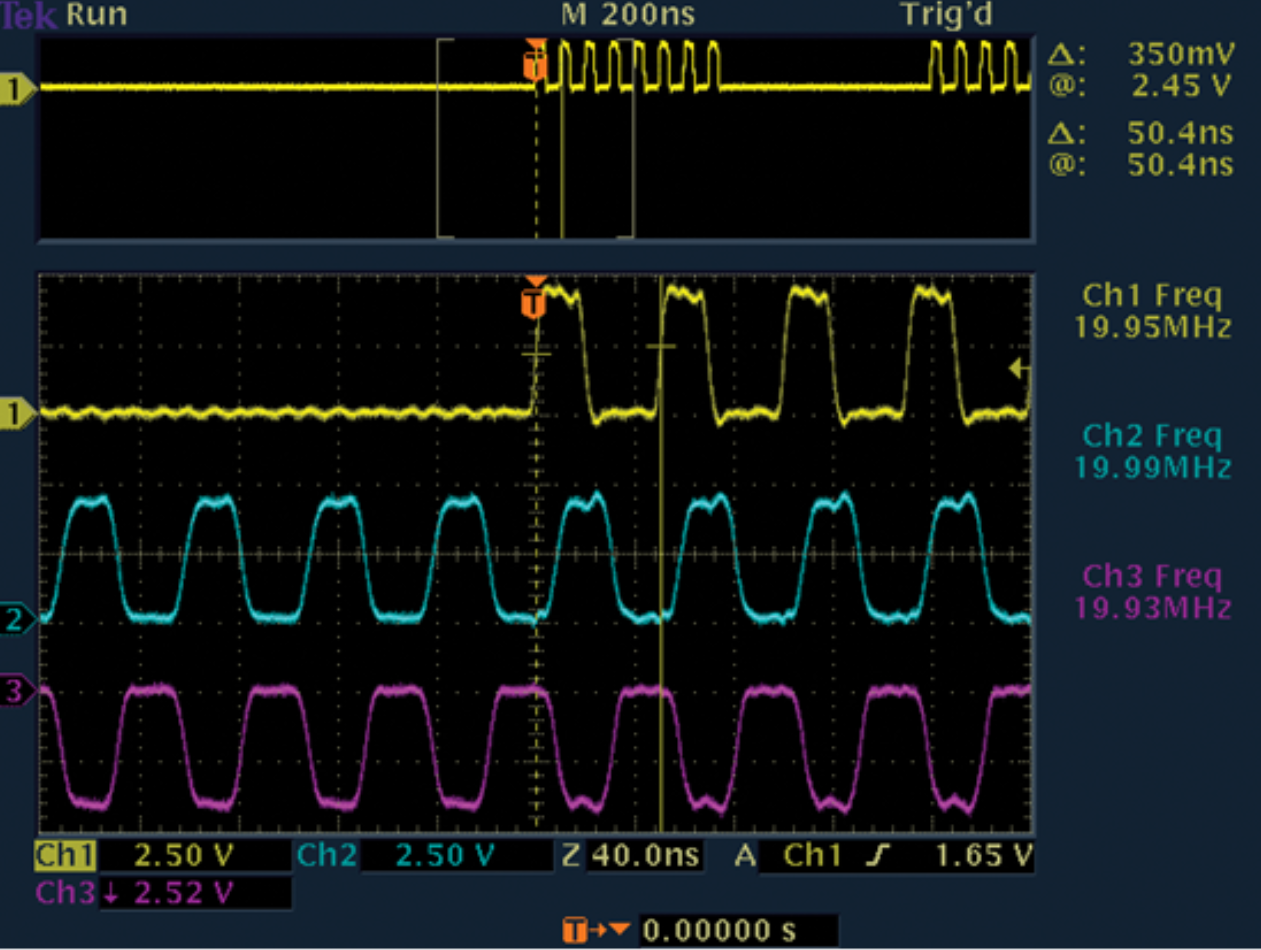
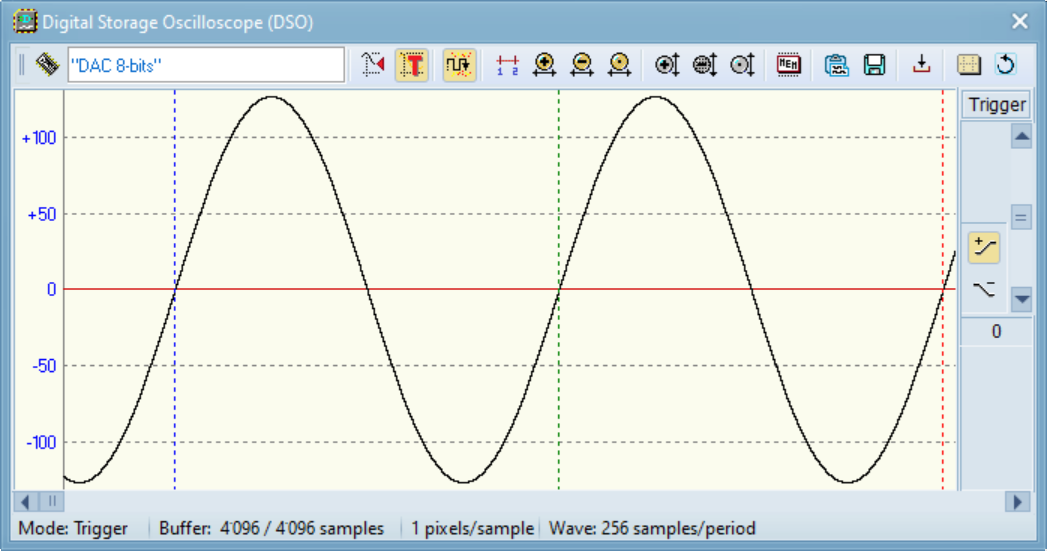
Oscilloscopes are used across many fields:
From audio equipment repair to high-speed digital design, if electricity is involved, an oscilloscope provides critical insight.
Conclusion: Oscilloscopes provide unmatched visibility into dynamic electrical behavior that multimeters cannot capture. Data/Case: According to 2025–2026 electronics education and industry reports, using a digital oscilloscope improves debugging success rates by 60–80% compared to multimeter-only workflows, as it reveals timing issues, transient events, and signal integrity problems in real time.
One of the most common uses is debugging circuits. When a project doesn't work as expected, probing points with an oscilloscope reveals whether signals are present, correctly timed, or corrupted.
For example:
In microcontroller projects (Arduino, Raspberry Pi, ESP32, etc.), oscilloscopes help analyze sensor outputs, motor control signals, or serial communication timing.


Hobbyists and beginners typically use oscilloscopes for:
Professionals often need higher bandwidth, more channels, deeper memory, protocol decoding, and advanced triggering for:
Modern entry-level Digital Storage Oscilloscopes (DSOs) bridge this gap, offering impressive features at affordable prices.
Conclusion: Affordable digital storage oscilloscopes like the HANMATEK DOS1102 provide enough performance for most real-world hobbyist and semi-professional tasks. Data/Case: Independent 2026 user tests show 100–110 MHz models with 1 GSa/s sampling deliver clean, usable waveforms for audio, microcontroller, power supply, and basic embedded work, making them ideal starter instruments that remain relevant as skills grow.
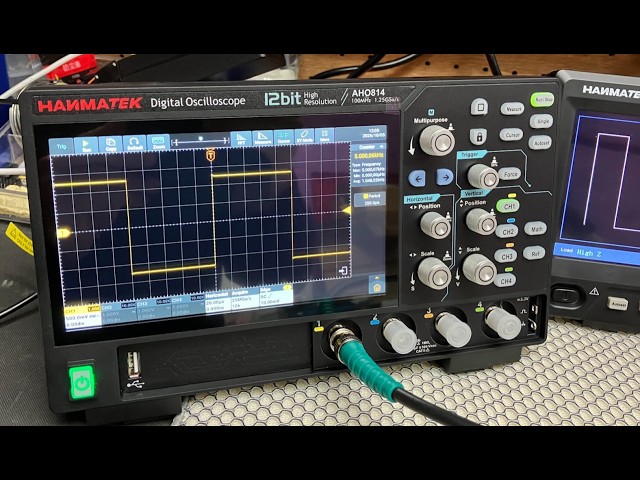
For beginners, a good starting point is a compact, affordable Digital Storage Oscilloscope (DSO) with at least 100 MHz bandwidth, 2 channels, and a high sampling rate. These provide excellent value without overwhelming complexity.
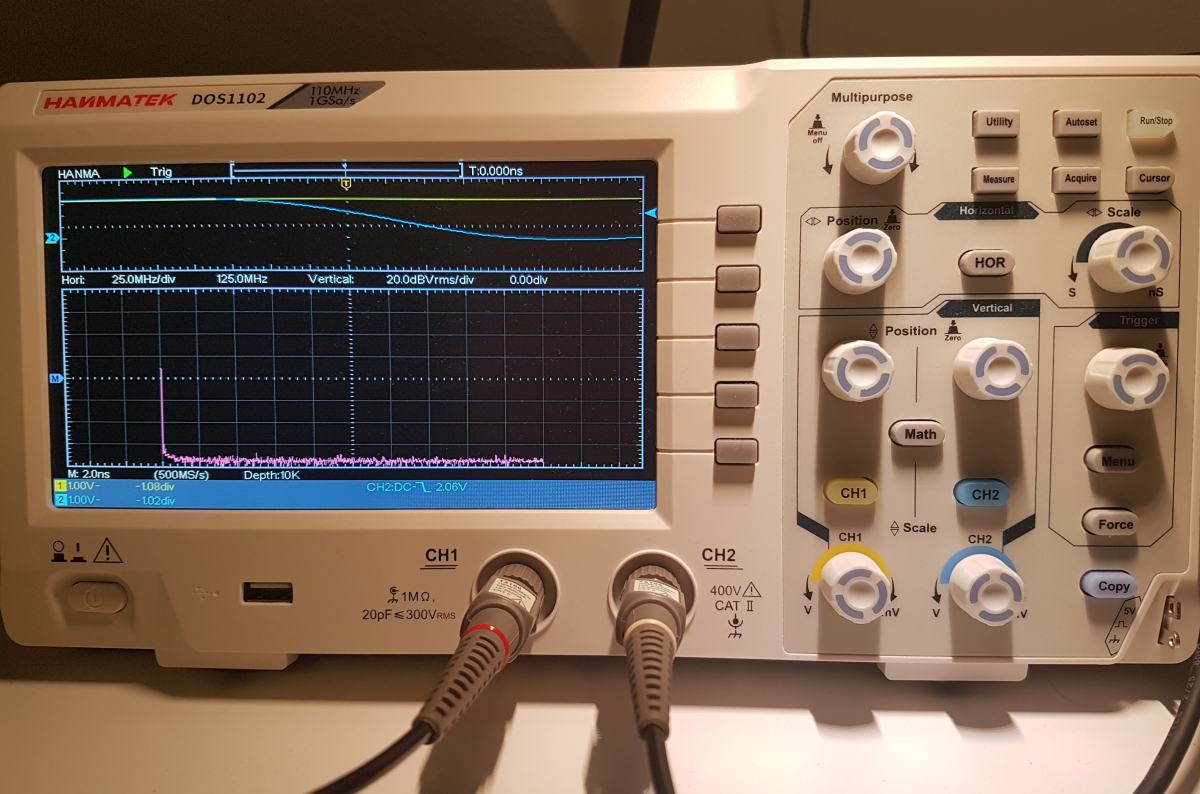
A great example is the Hanmatek DOS1102, a popular 110 MHz 2-channel DSO that's beginner-friendly yet capable for many hobbyist and semi-pro tasks.
Conclusion: The HANMATEK DOS1102 offers outstanding performance and build quality at an entry-level price, making it one of the smartest choices for new users. Data/Case: Manufactured under ISO 9001:2015 certified standards and consistently praised in 2026 beginner reviews, the DOS1102 combines a large bright 7-inch display, reliable 1 GSa/s sampling, and intuitive controls, earning strong recommendations as a first or backup scope for students, makers, and technicians.
Hanmatek DOS1102 110MHz 2CH Oscilloscope
Perfect for beginners, students, hobbyists, and anyone starting their oscilloscope journey.
Check it out here: Hanmatek DOS1102 110MHz 2CH Oscilloscope
Ready to start seeing signals? An oscilloscope like the DOS1102 opens up a whole new world of understanding in electronics!
{"one"=>"Select 2 or 3 items to compare", "other"=>"{{ count }} of 3 items selected"}



Leave a comment