
Free Returns Guarantee
Free & Easy Returns
Free & Easy Returns

Using a benchtop oscilloscope is essential for detecting power electronics design, R&D, and industrial applications, as benchtop oscilloscope allows engineers to visualize voltage and current waveforms in real time. Reliable power supplies are critical in power electronics design, R&D, and industrial applications — from consumer electronics to heavy machinery. However, issues like excessive ripple, poor transient response, switching noise, or inrush current can cause instability, efficiency losses, EMI failures, or even component damage. A benchtop oscilloscope can measure ripple, analyze transients, and identify switching noise before it affects system performance. For more complex designs, a high-performance benchtop oscilloscope provides accurate timing measurements and multi-channel monitoring, helping maintain efficiency, reliability, and compliance with safety standards.
A benchtop oscilloscope is the go-to instrument for power supply engineers and designers. It provides detailed, real-time waveform visualization that multimeters simply cannot match, enabling precise debugging of AC/DC converters, switch-mode power supplies (SMPS), output ripple, and startup transients.
This 2026 guide explores how benchtop oscilloscopes tackle these critical power supply challenges, with practical techniques and why models like Hanmatek's DOS series deliver outstanding value for professionals.
Benchtop scopes offer:
These features make them ideal for lab environments where precision trumps portability.
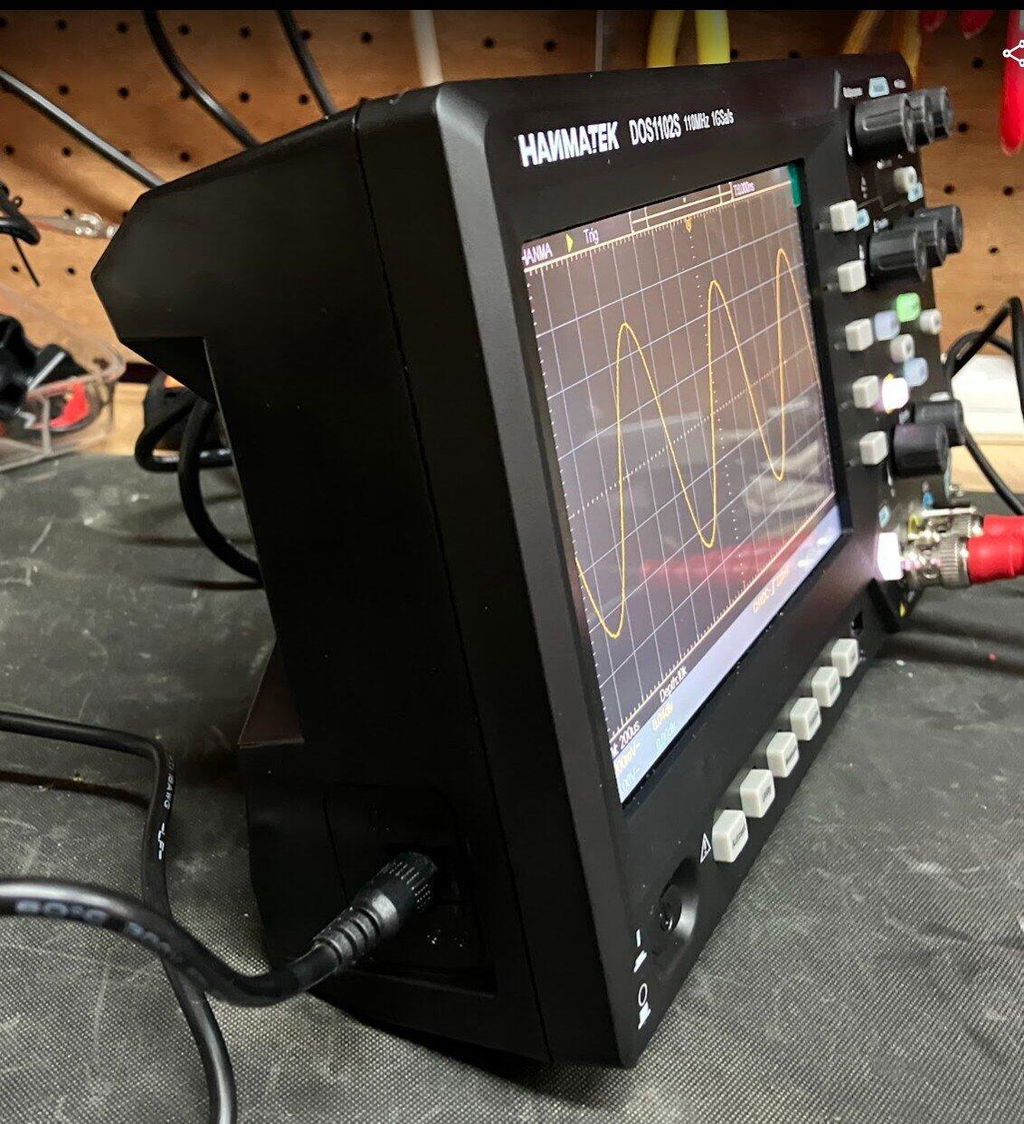
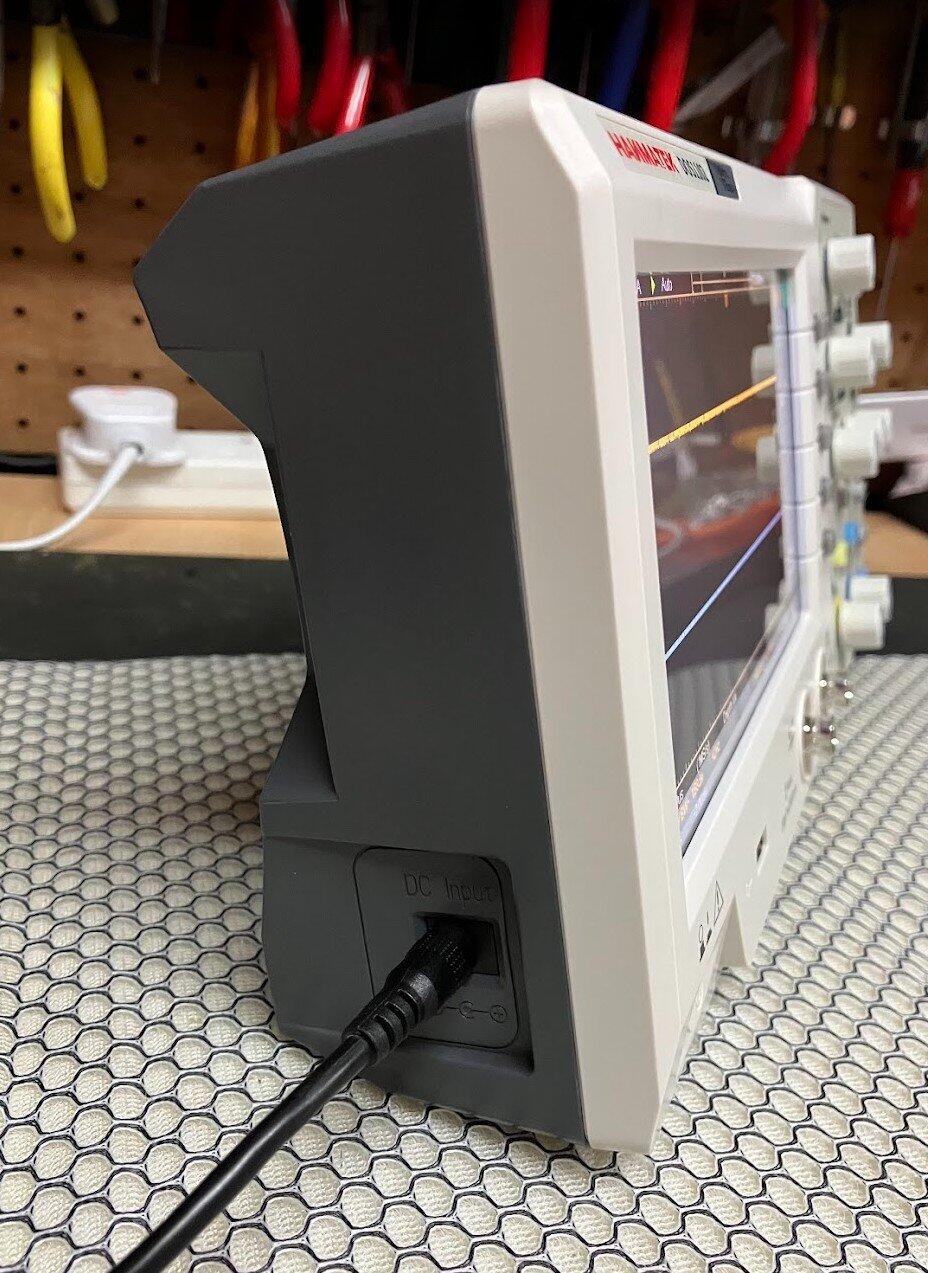
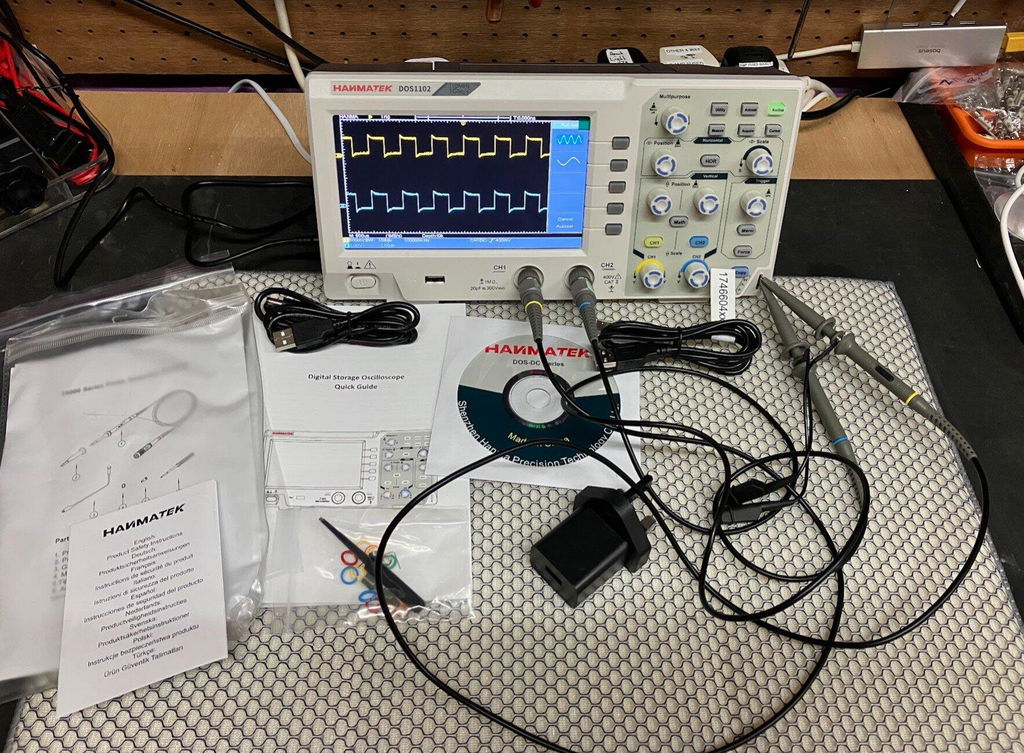
Here’s a classic benchtop setup measuring a SMPS output — clear ripple waveform visible on the screen:


Ripple and noise are the most common power supply complaints — small AC variations on the DC output that can disrupt sensitive circuits (e.g., analog ICs, ADCs).
Technique:
High-bandwidth scopes reveal switching ripple (e.g., 100–500 kHz in SMPS) and low-frequency noise.
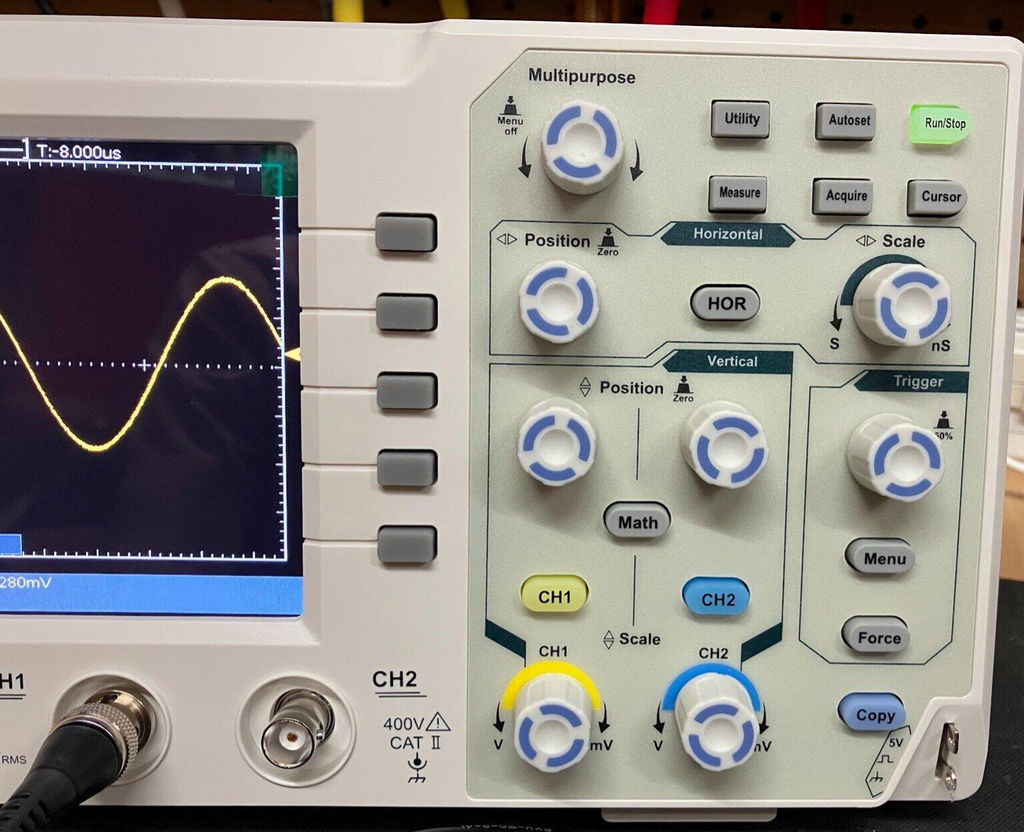
Real-world ripple measurement on a DC output — zoomed-in view showing mV-level variations:


Startup behavior is critical: excessive inrush current can trip fuses, stress capacitors, or cause voltage droops.
Technique:
This is especially useful for SMPS with soft-start circuits or large input capacitors.
Example of startup inrush current capture — sharp peak followed by stabilization:
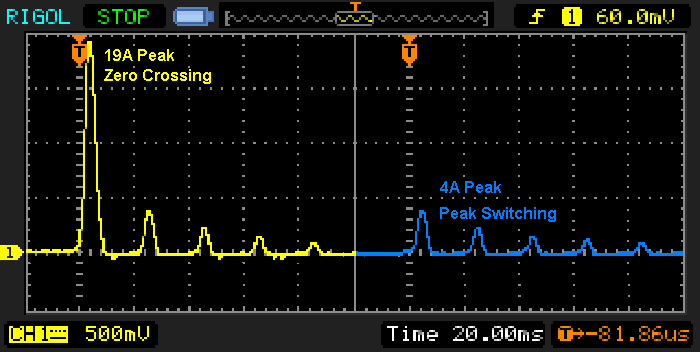

For AC/DC rectifiers or flyback/forward/topology SMPS, engineers need to verify:
Multi-Channel Power:
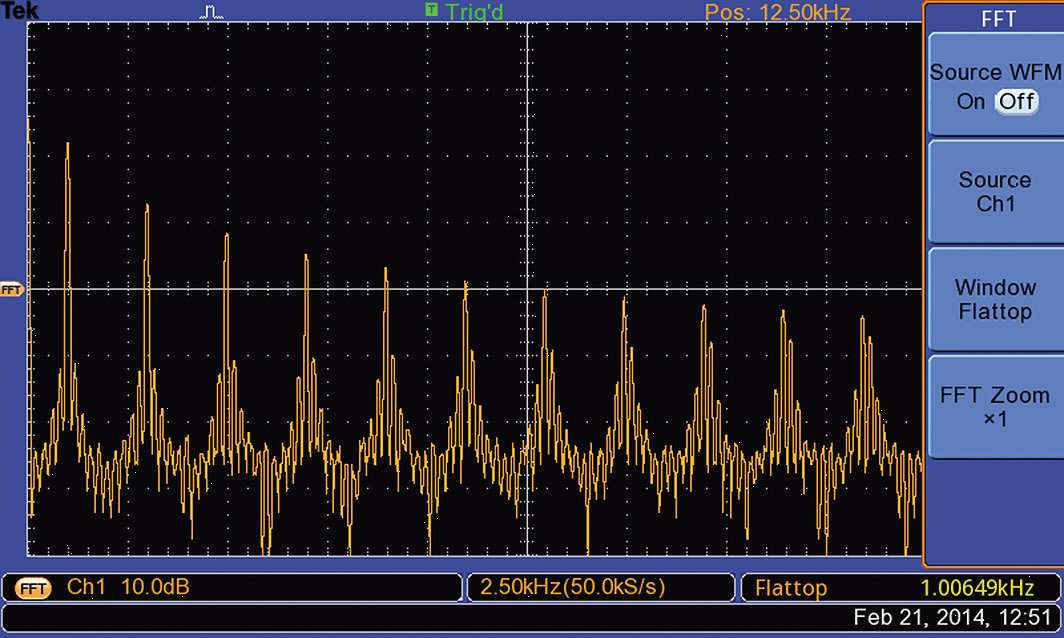
FFT mode reveals harmonic content for EMI compliance.
FFT analysis of switching noise in a power supply — frequency peaks clearly identified:

Hanmatek's DOS series brings professional-grade power supply debugging to labs and engineers without premium pricing.
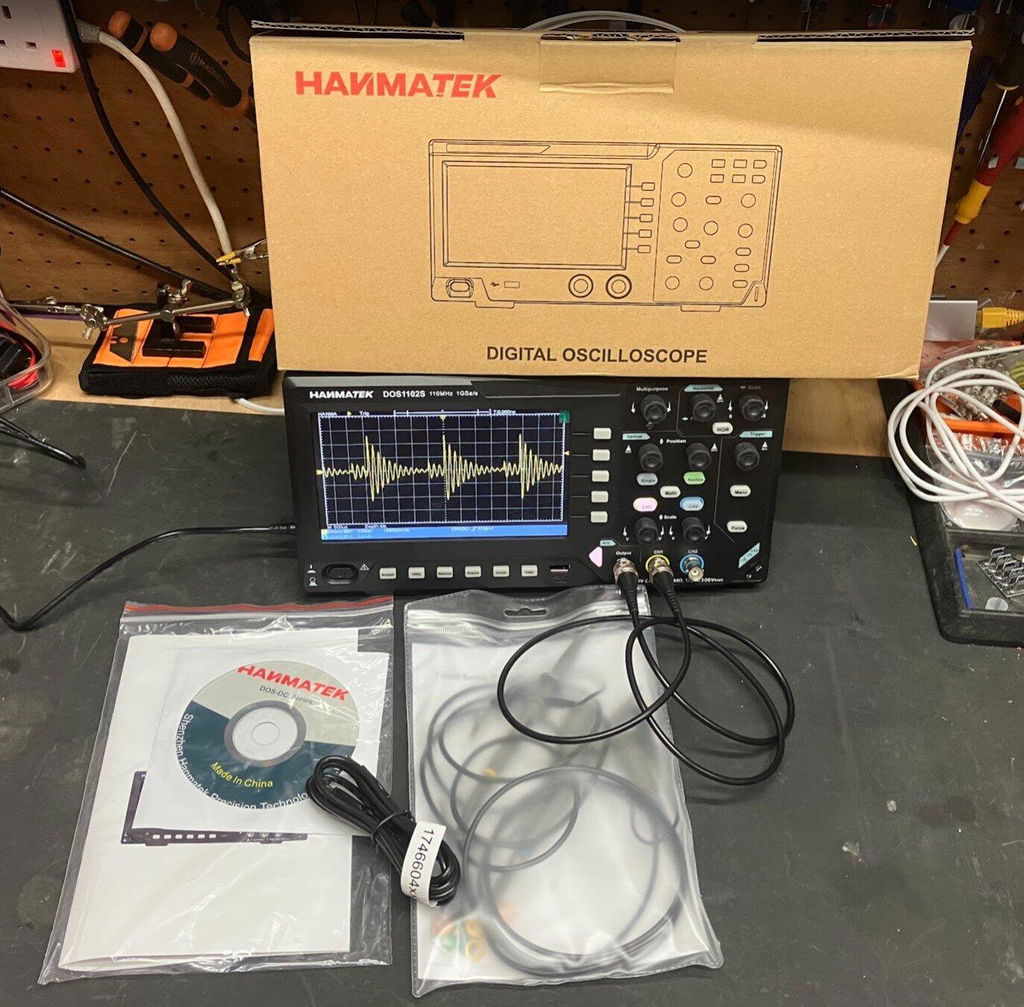
Hanmatek DOS1104 – 110 MHz 4-Channel Oscilloscope Ideal for multi-signal power analysis: simultaneous monitoring of input, switching, and output. 1 GSa/s sampling, FFT, math functions, and 7" touchscreen make it perfect for ripple, transient, and SMPS debugging. Official product page: https://hanmatek.com/collections/oscilloscope/products/hanmatek-dos1104-oscilloscope-portable-4-canaux-110mhz
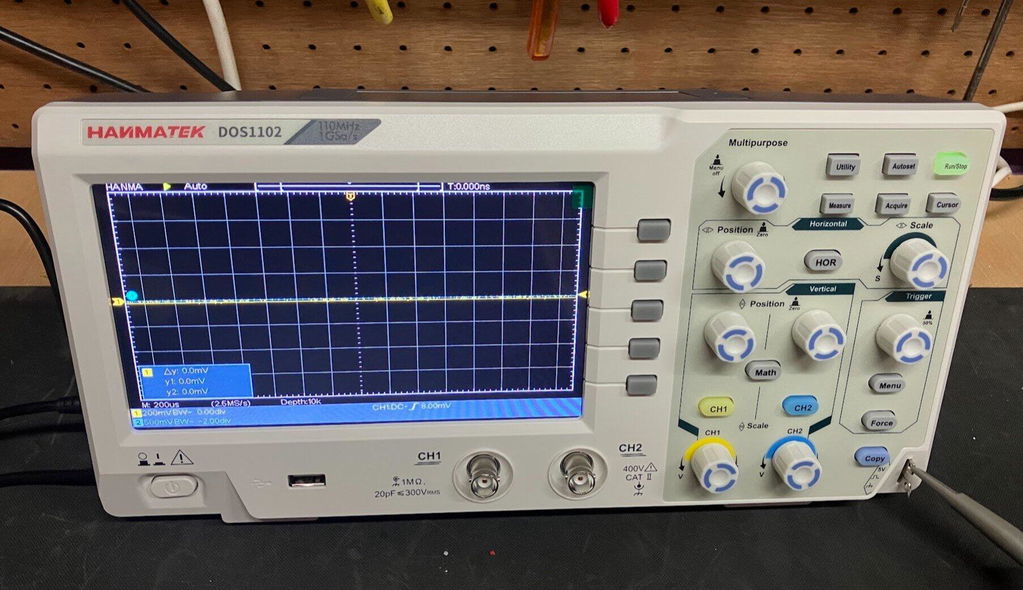
See the DOS1104 in a real lab setup for power supply testing — 4 channels capturing everything:


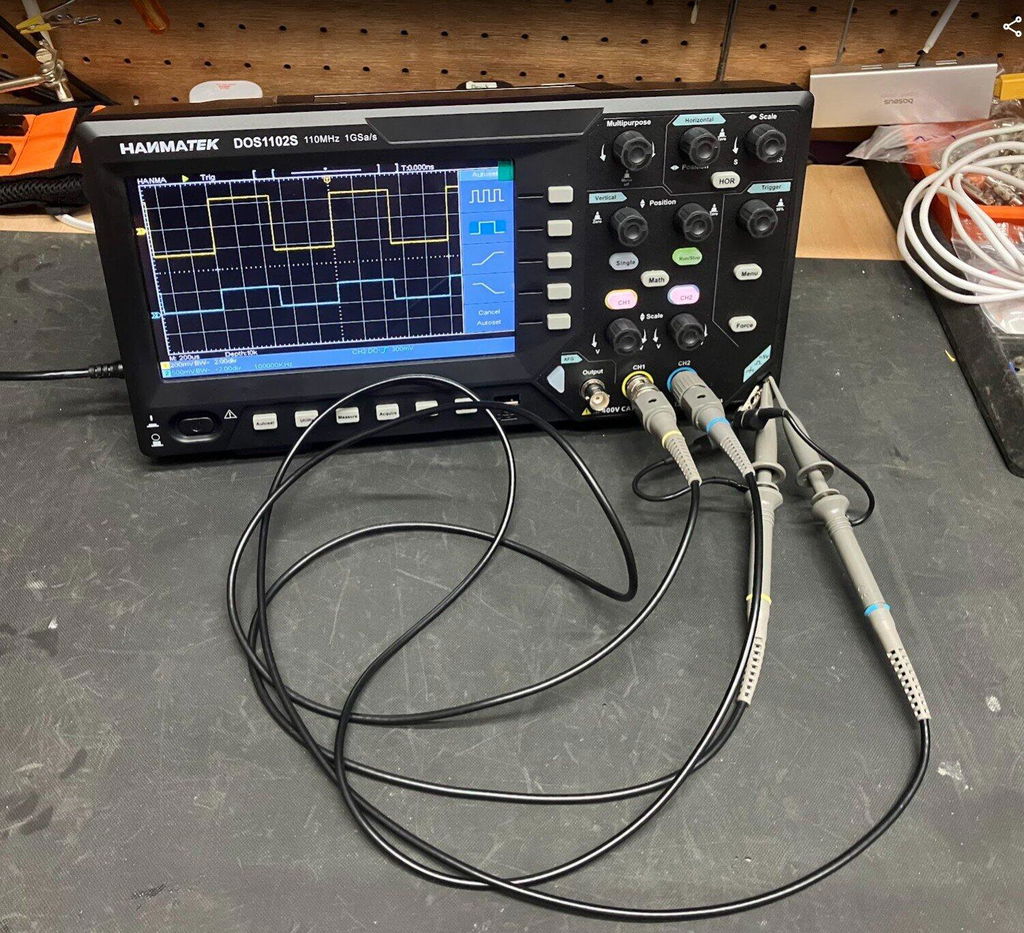
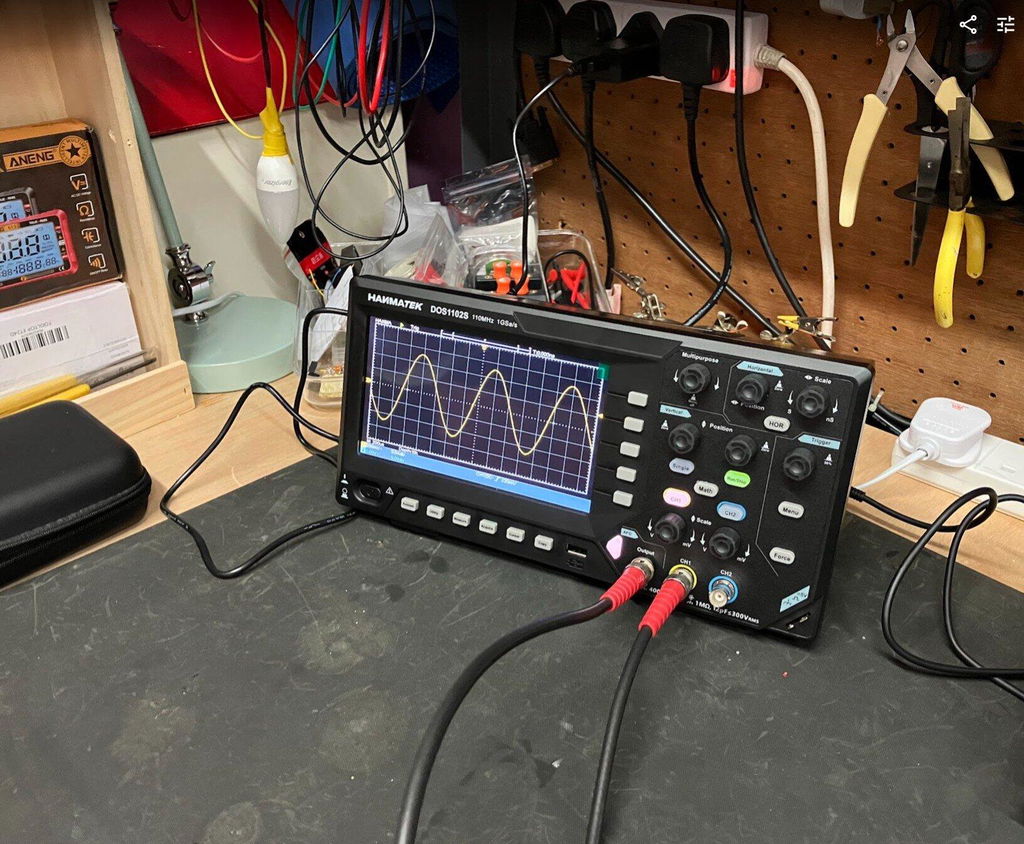
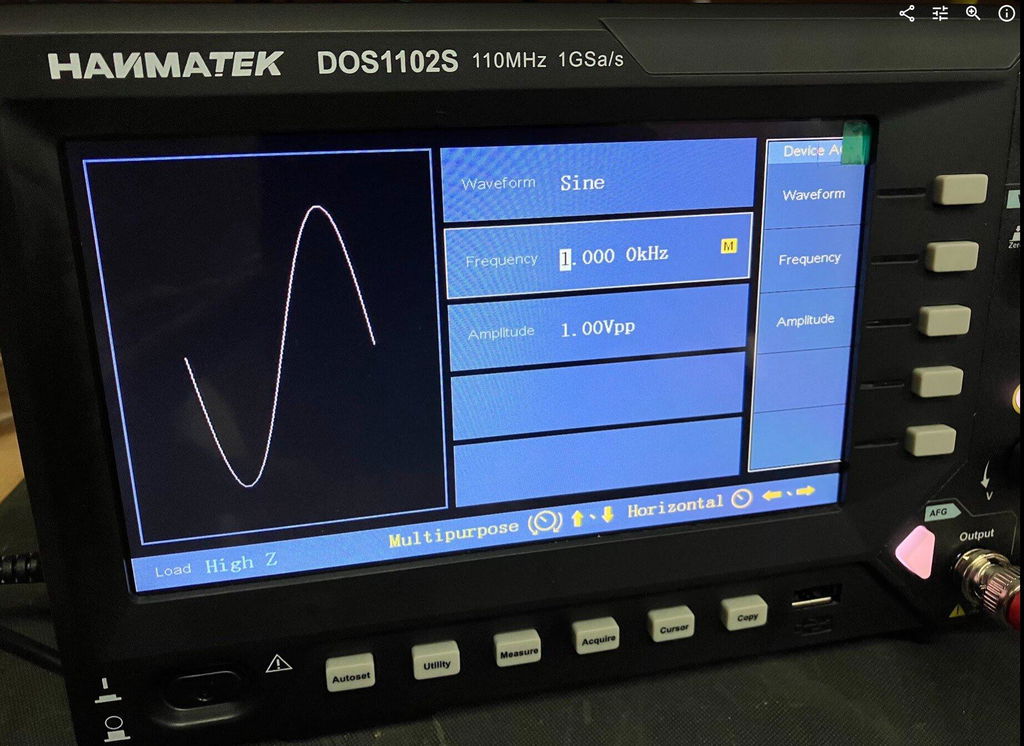
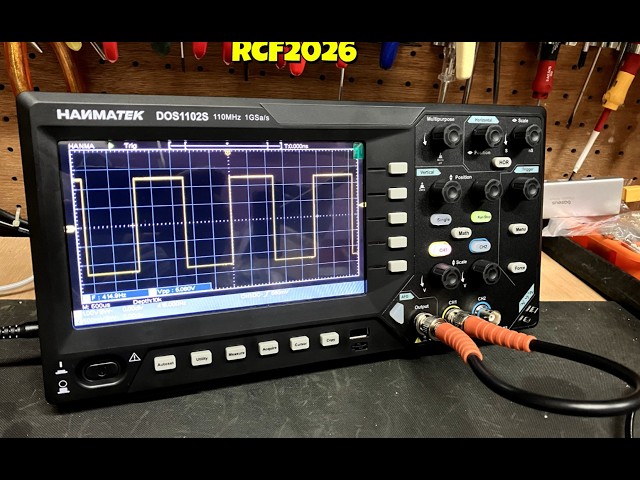
Hanmatek DOS1102S – 110 MHz 2-Channel with Waveform Generator Great for SMPS designers: built-in arbitrary waveform generator for simulating loads or test signals, plus high bandwidth for ripple/transient work. Official product page: https://hanmatek.com/collections/oscilloscope/products/hanmatek-dos1102s-oszilloskop-wellenformgenerator
Power supply debugging demands tools that reveal the full picture — from mV ripple to µs transients and harmonic content. A capable benchtop oscilloscope like the Hanmatek DOS1104 or DOS1102S empowers engineers to design more efficient, reliable AC/DC and SMPS systems.
Whether you're optimizing a linear supply, taming inrush in a flyback converter, or ensuring low-noise output for sensitive loads, these scopes deliver the precision you need.
Ready to elevate your power electronics work? Explore the Hanmatek DOS1104 and DOS1102S today — professional debugging, accessible price.
Happy designing and debugging! ⚡
{"one"=>"Select 2 or 3 items to compare", "other"=>"{{ count }} of 3 items selected"}



Leave a comment