
Free Returns Guarantee
Free & Easy Returns
Free & Easy Returns

Oscilloscopes are essential tools for capturing and analyzing electrical signals. Choosing between a benchtop or handheld model depends on your workspace, portability needs, and level of precision required. Hanmatek offers a range of models suited for both lab and field applications, backed by rigorous quality testing for reliable performance in real-world use.
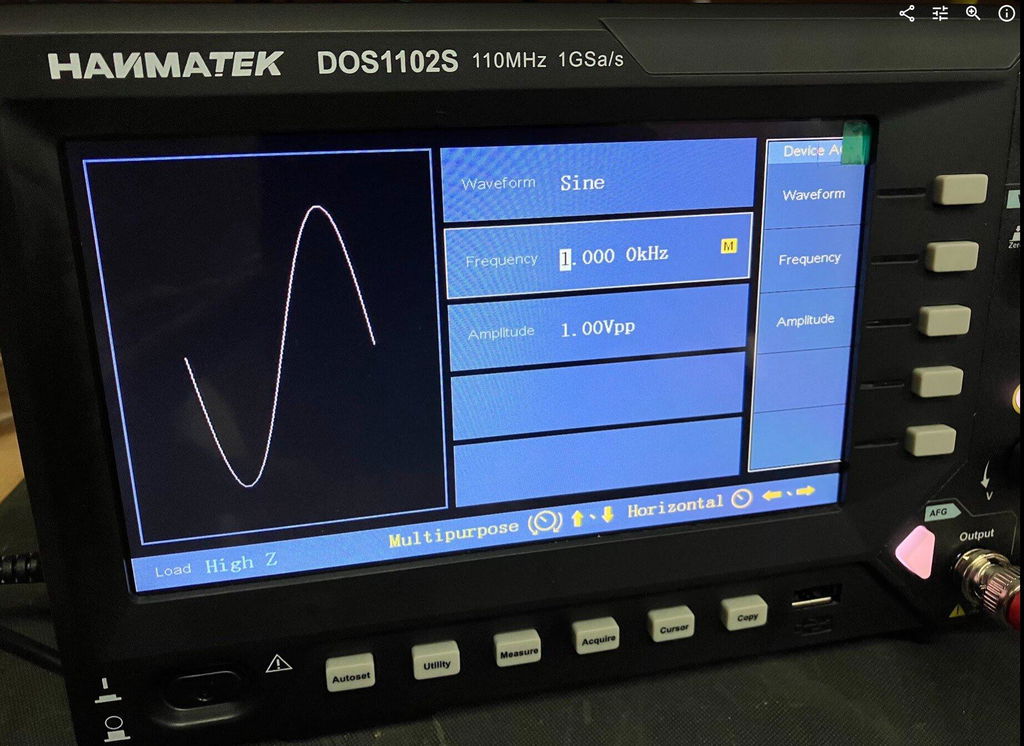
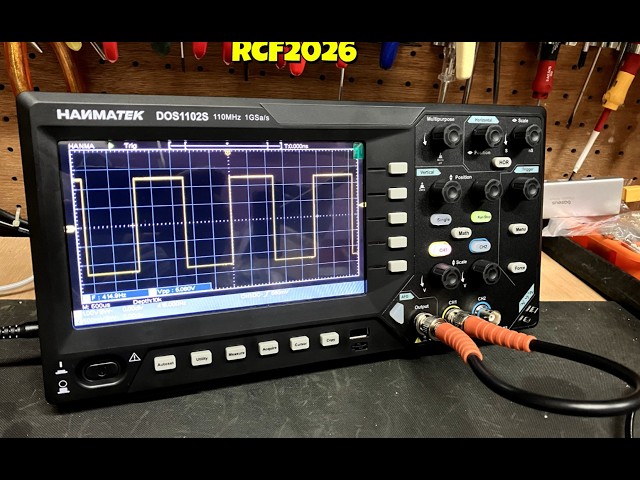
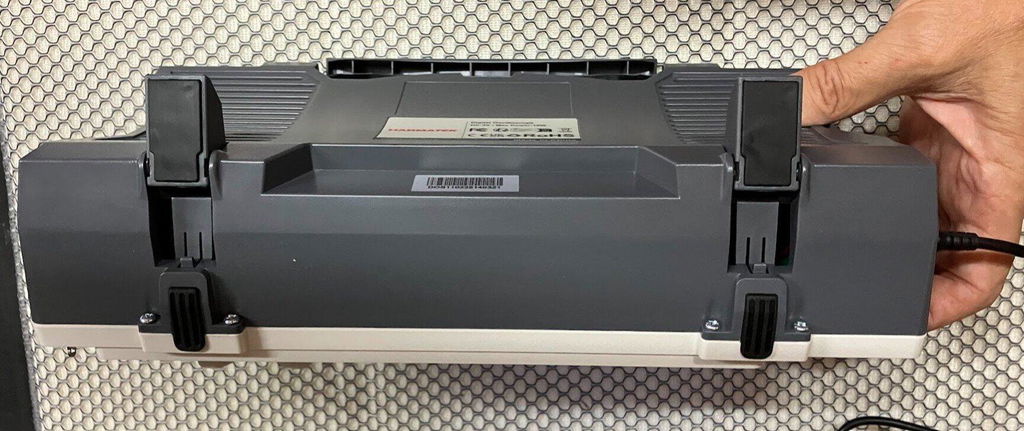
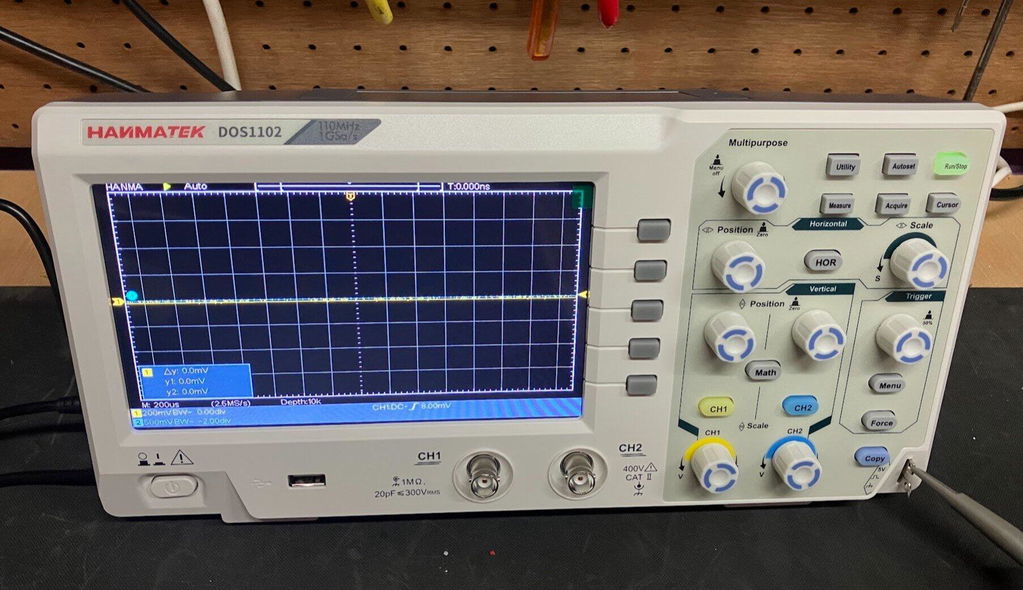
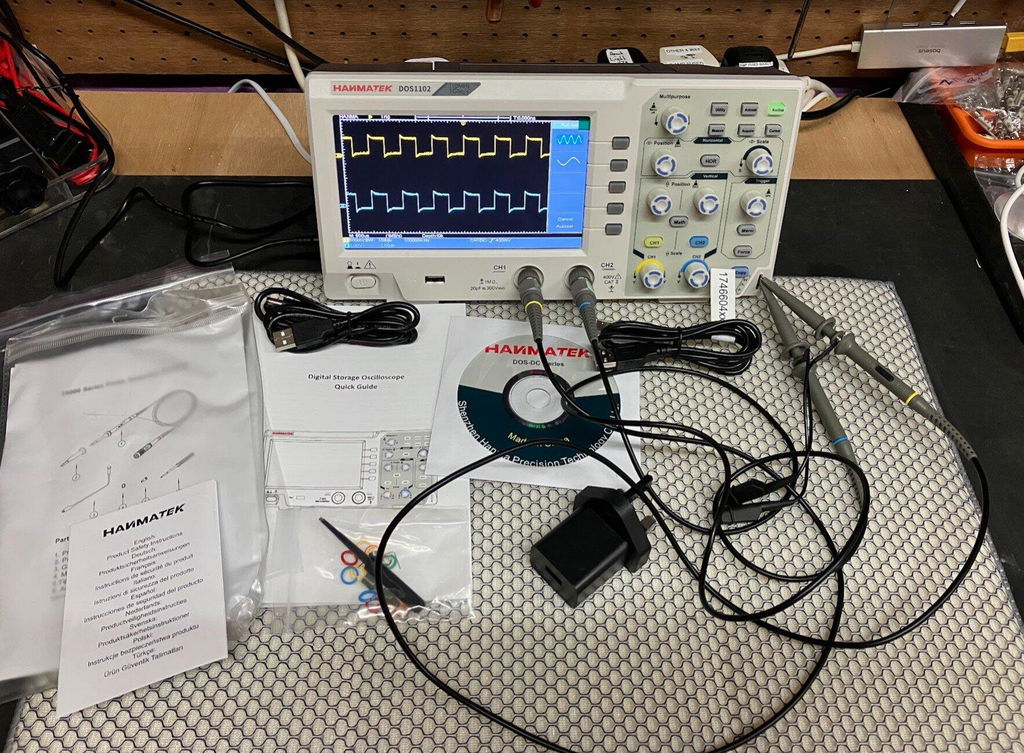
Designed for stationary environments like laboratories and production lines, benchtop oscilloscopes provide advanced features for in-depth signal analysis. Per the Fortune Business Insights Oscilloscope Market Report, benchtop models continue to dominate high-precision applications with their extensive measurement capabilities and connectivity options (USB/LAN).
Handheld models are portable, lightweight, and battery-operated, making them ideal for field diagnostics, electricians, or technicians working outside the lab. According to Future Market Insights' Oscilloscope Market Outlook (2025–2035), handheld devices are experiencing the highest growth rate due to demand in mobile and on-site applications.
| Feature | Benchtop Oscilloscope | Handheld Oscilloscope |
|---|---|---|
| Portability | Stationary | Mobile |
| Display | Large screen | Compact screen |
| Bandwidth | Up to 200MHz | 10MHz |
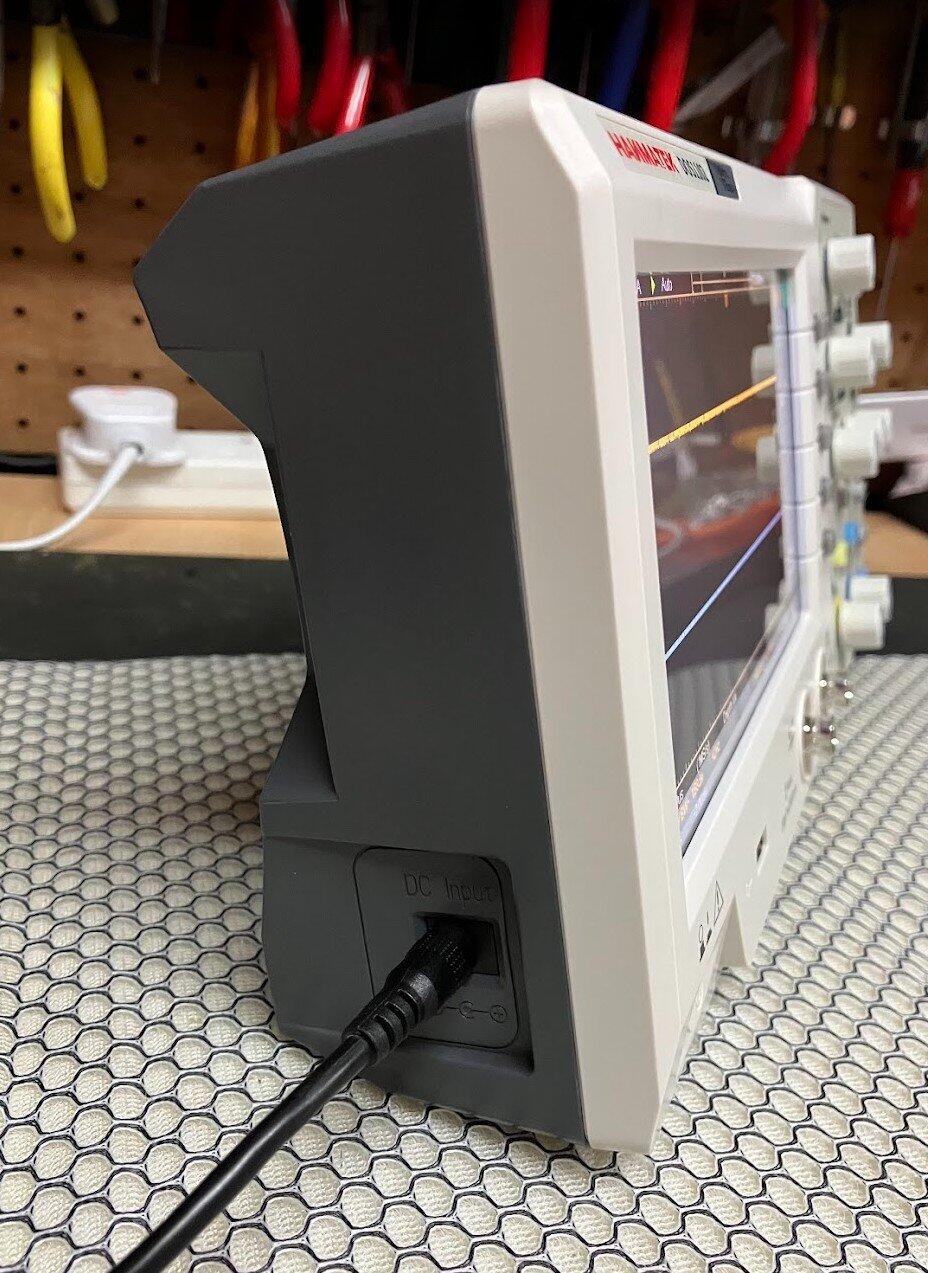
| Power | AC-powered | Battery-powered |
| Use Case | Lab, R&D, QA | Field diagnostics |
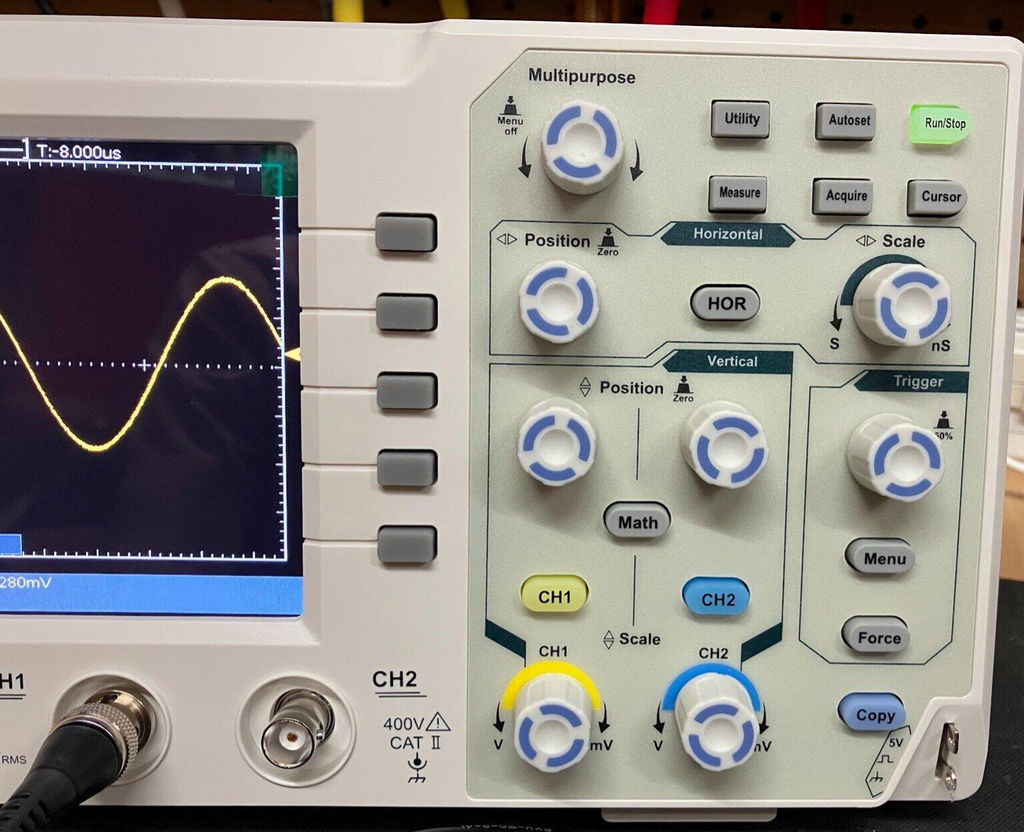
| Extra Features | Advanced triggering, math functions | Multimeter integration |
Browse our full oscilloscope lineup, trusted for value and performance in industry comparisons:
Need help? Contact us for a personalized product recommendation. Every Hanmatek oscilloscope undergoes strict quality control before shipment to ensure consistent reliability.
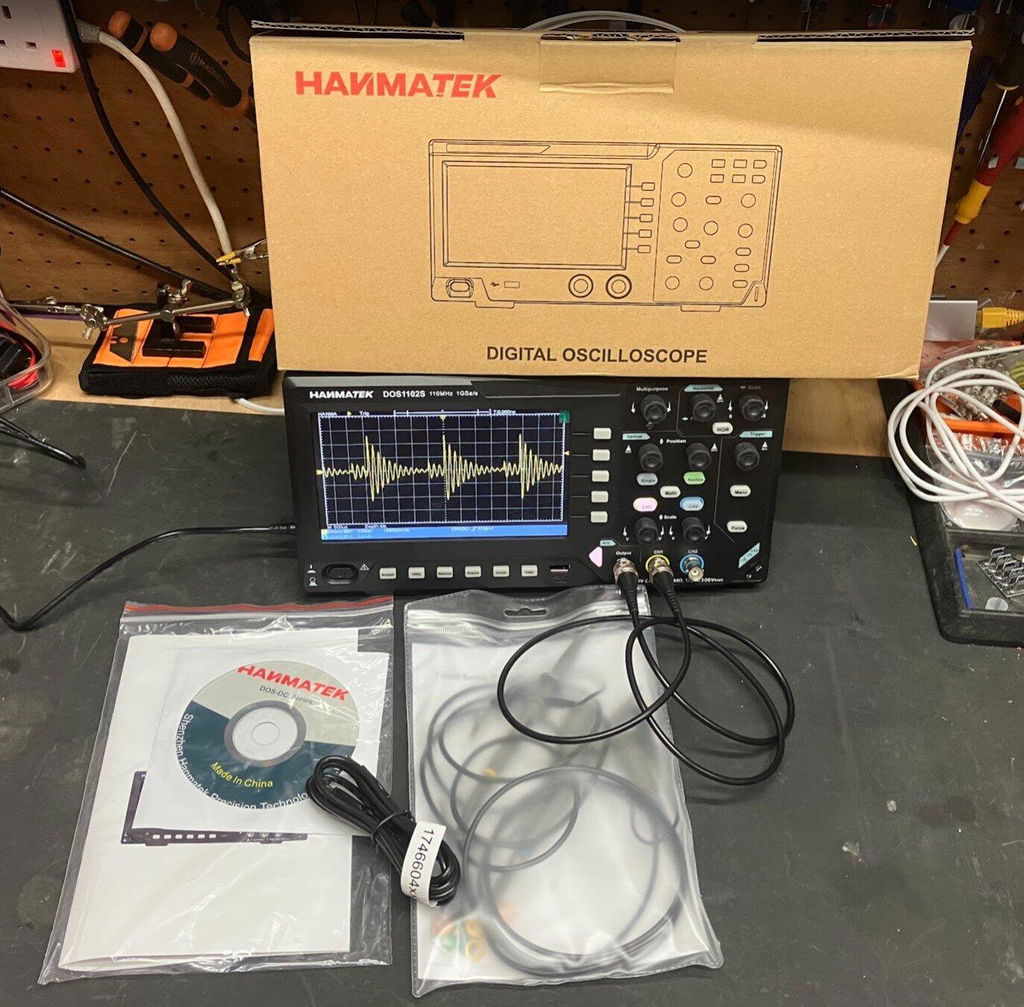
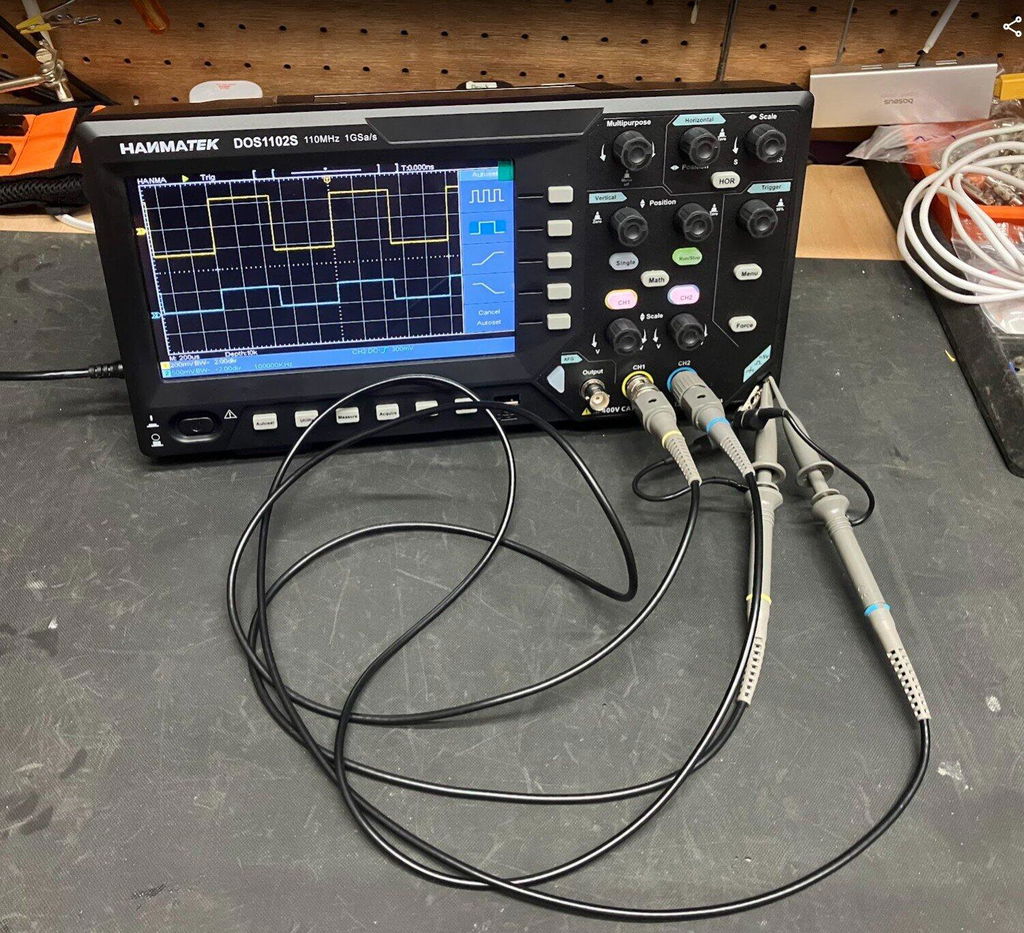
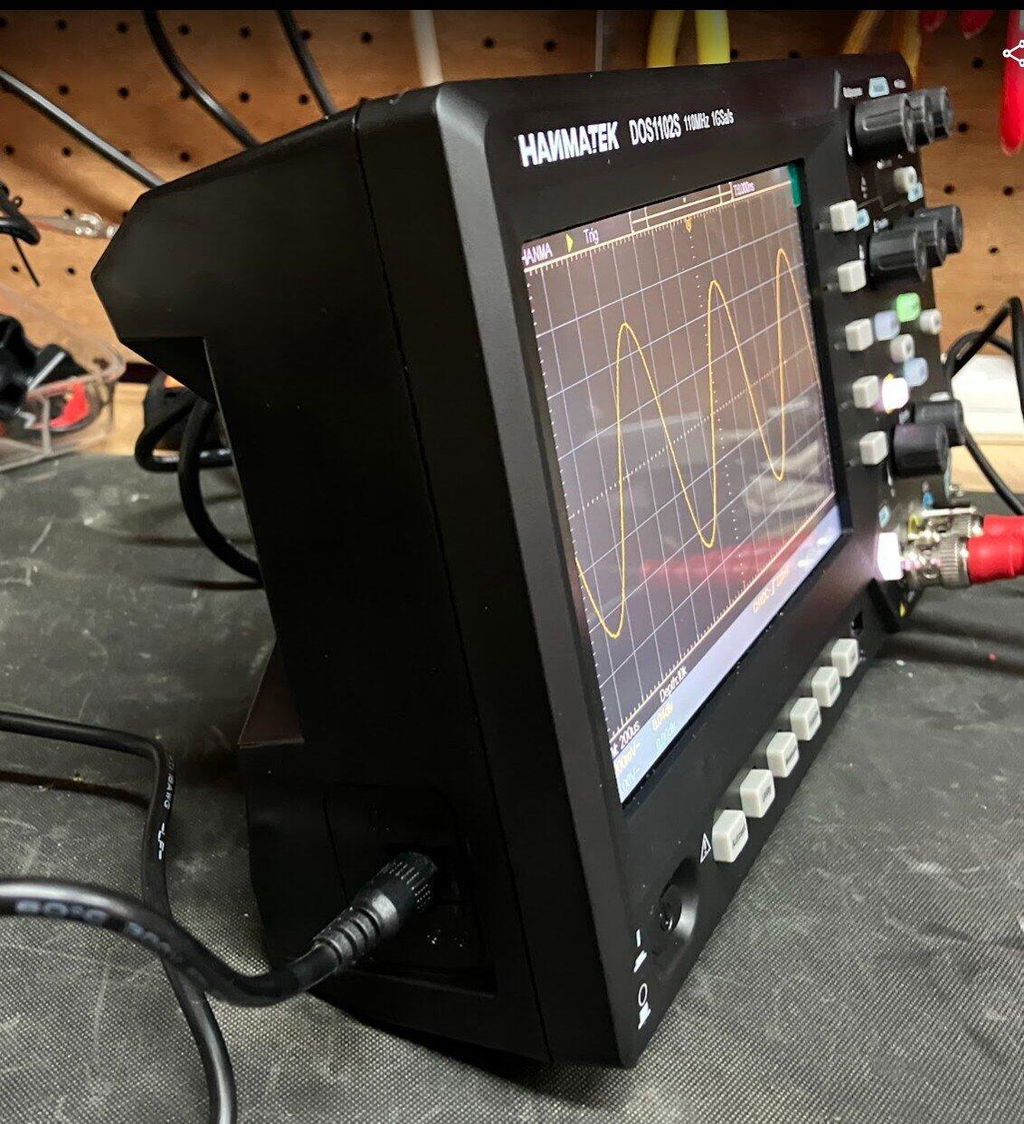
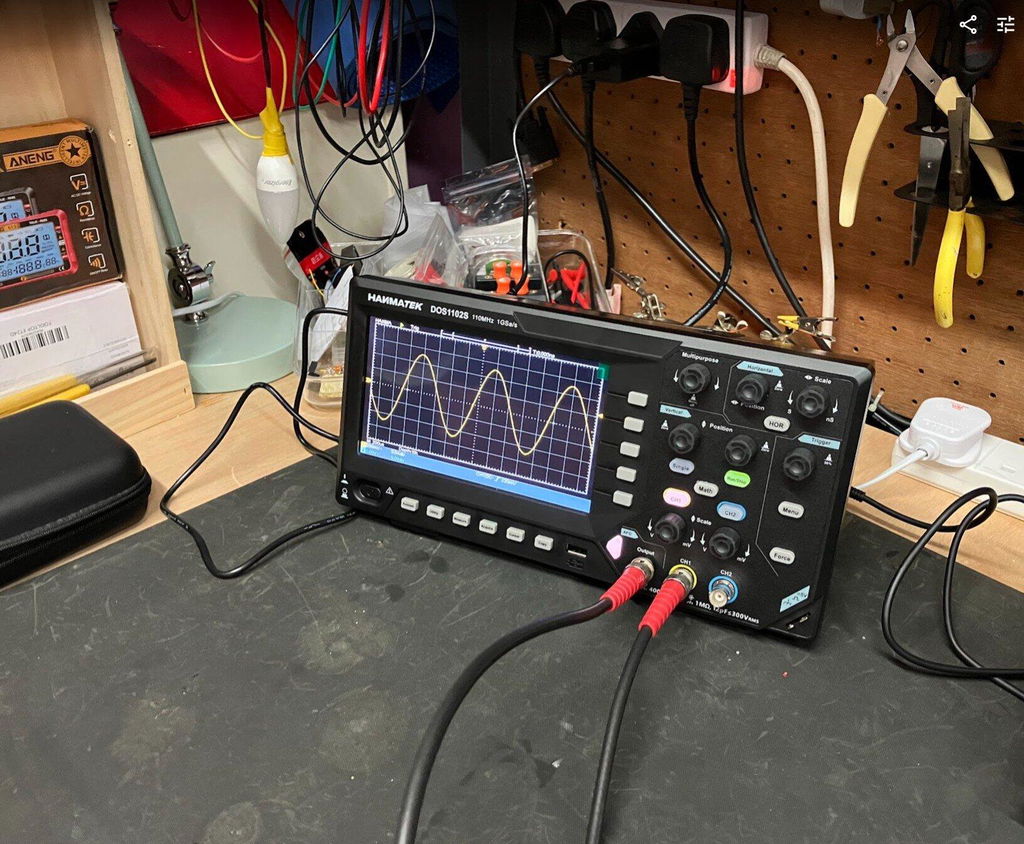
Many users in your situation choose a Hanmatek benchtop model (like the DOS1102 or DOS1202) as their main lab instrument and add the ultra-portable HO11 handheld as a secondary tool. The HO11 is small enough to fit in a tool bag and gives you oscilloscope + multimeter capability when you’re away from the bench, while the benchtop delivers the bandwidth and screen size you need for complex daily work.
Yes — 10 MHz is more than sufficient for most field applications: Automotive sensors, ignition coils, and CAN bus (low-speed) HVAC control signals and thermostat circuits Power supply ripple, relay/solenoid driving waveforms Audio, home appliance, and general electrical repair If you mainly work with power electronics, motors, or microcontrollers above 20 MHz, go with a benchtop model instead.
The DOS series offers up to 200 MHz bandwidth, 1 GSa/s sampling, larger high-resolution screens, advanced triggering (pulse, video, slope, runt, etc.), math functions (FFT, +, −, ×, ÷), 4 channels on some models, and LAN/remote control — features that make deep signal analysis, protocol decoding, and automated testing possible. Handhelds like the HO11 prioritize portability and battery life over these advanced lab-grade capabilities. Copy & paste these directly onto your comparison page — they answer the exact questions visitors ask before deciding!
{"one"=>"Select 2 or 3 items to compare", "other"=>"{{ count }} of 3 items selected"}



Leave a comment