
Free Returns Guarantee
Free & Easy Returns
Free & Easy Returns

Thermal imaging (also called infrared thermography or IR imaging) lets you "see" heat that's invisible to the naked eye. It's a game-changer for home inspections, electrical troubleshooting, HVAC diagnostics, energy audits, and more. Whether you're a pro or a DIY enthusiast, understanding the basics helps you choose the right tool.
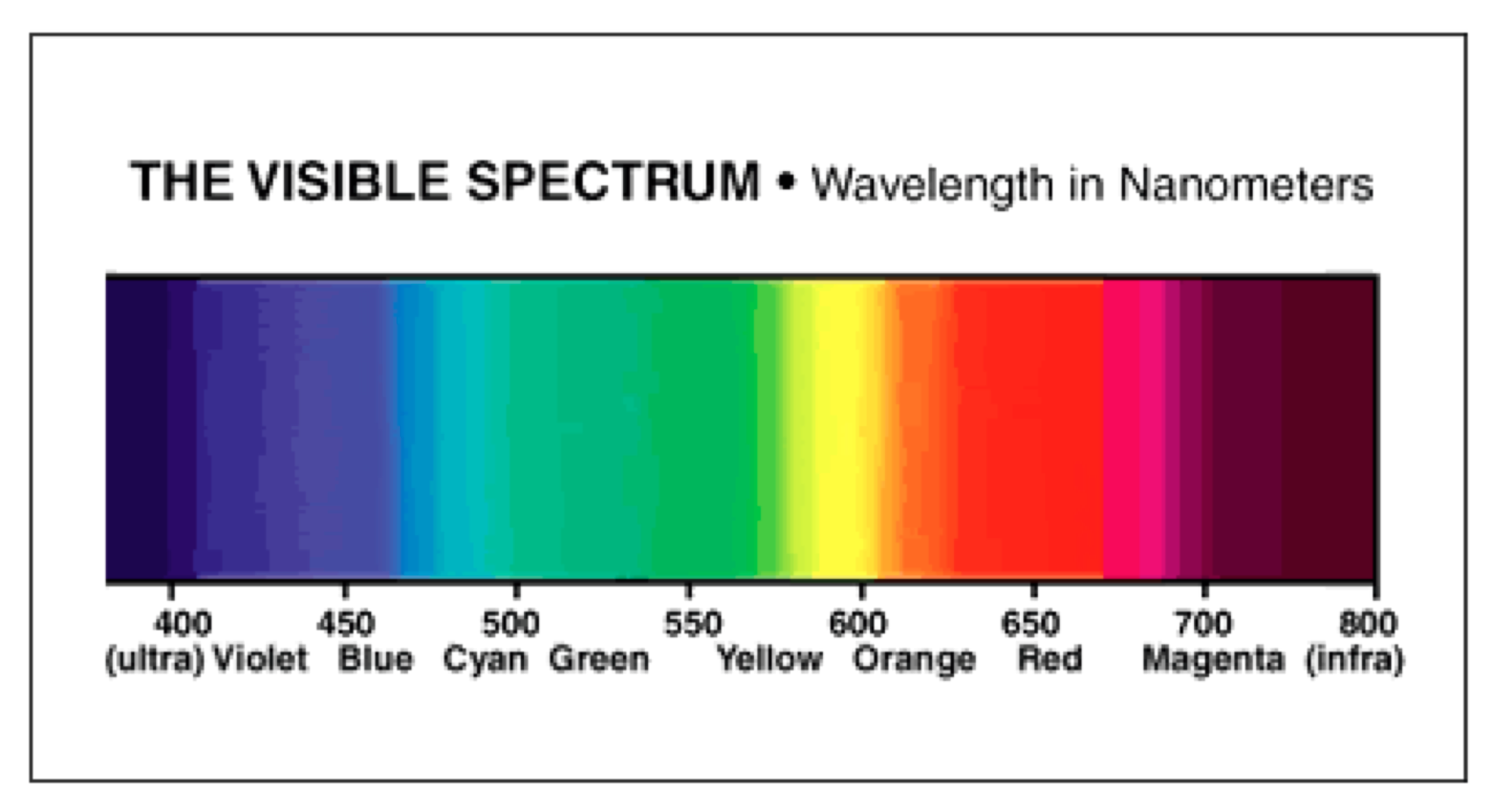
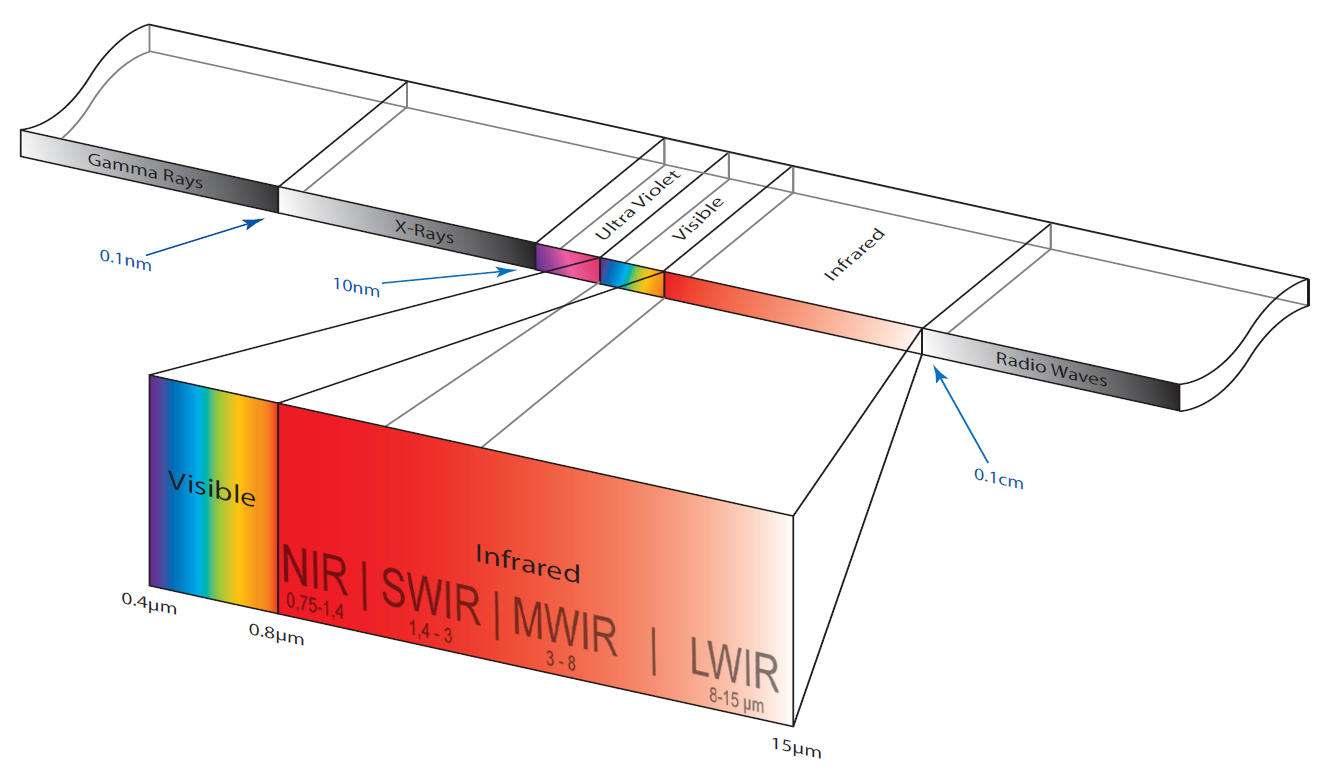
All objects above absolute zero (-273°C) emit thermal radiation in the form of infrared (IR) energy. This is part of the electromagnetic spectrum beyond visible light.
A thermal camera doesn't capture reflected light like a regular camera. Instead:
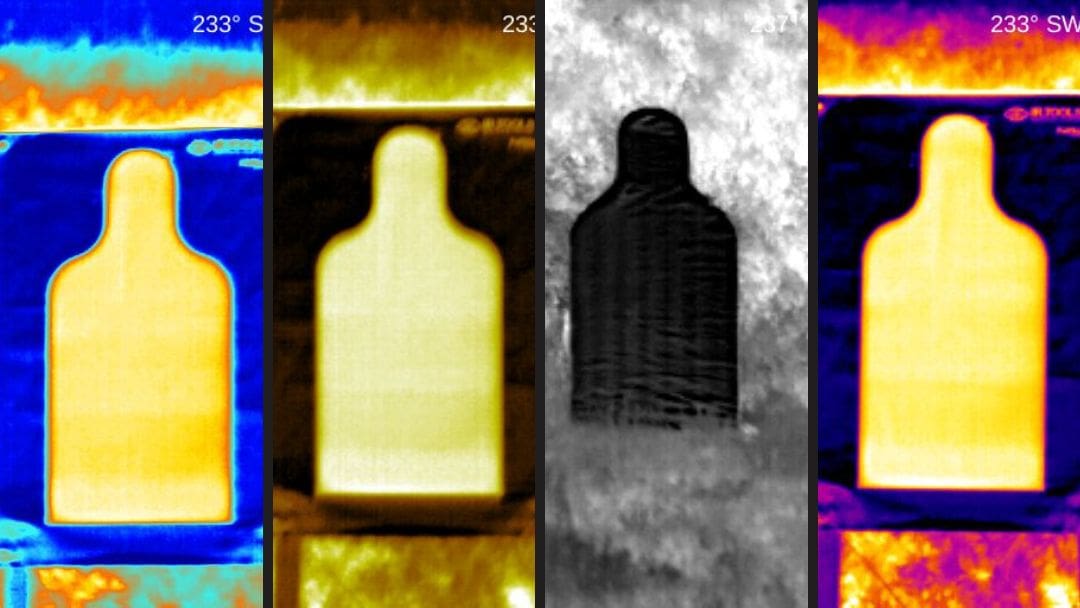
This creates a thermogram — a visual heat map showing temperature variations. It works in complete darkness, through smoke/fog (to some extent), and detects surface temperatures non-contact.
Key factors affecting accuracy:
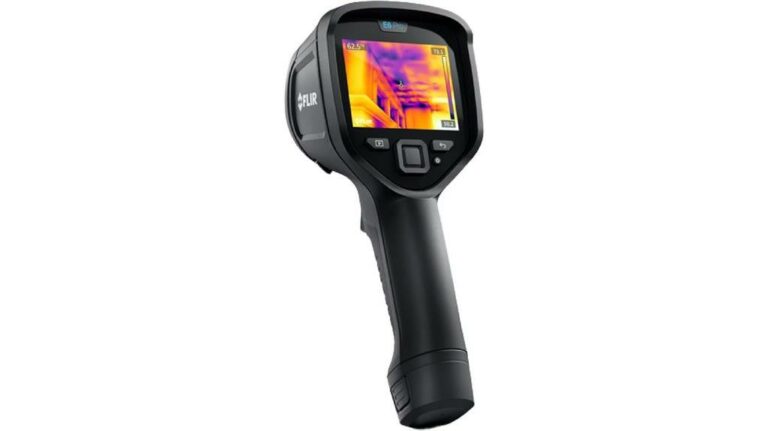
Handheld models are portable, battery-powered, and perfect for on-site work. In 2026, affordable options deliver professional-grade results without the $1,000+ price tag of top brands like FLIR.
Common uses:
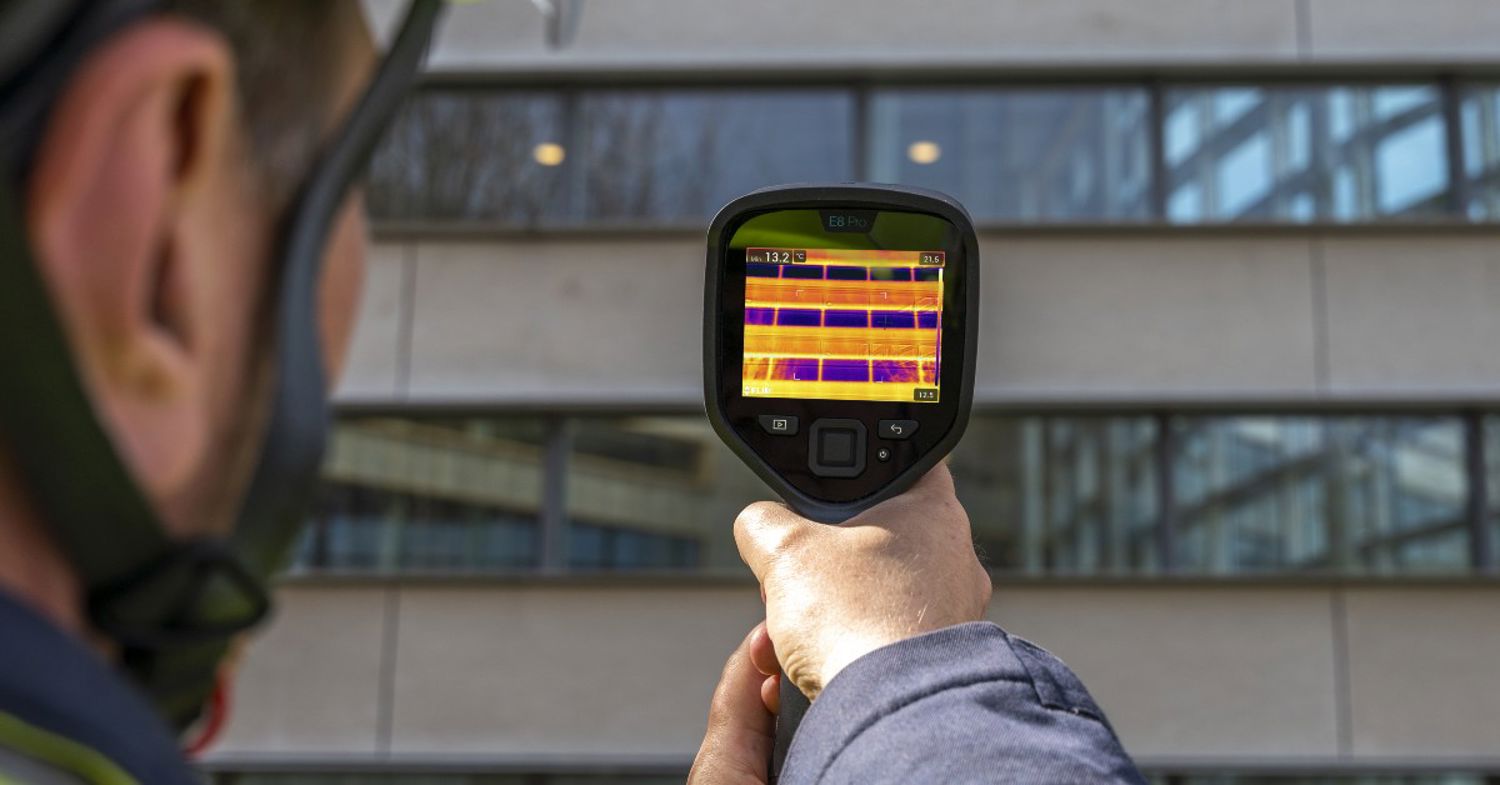
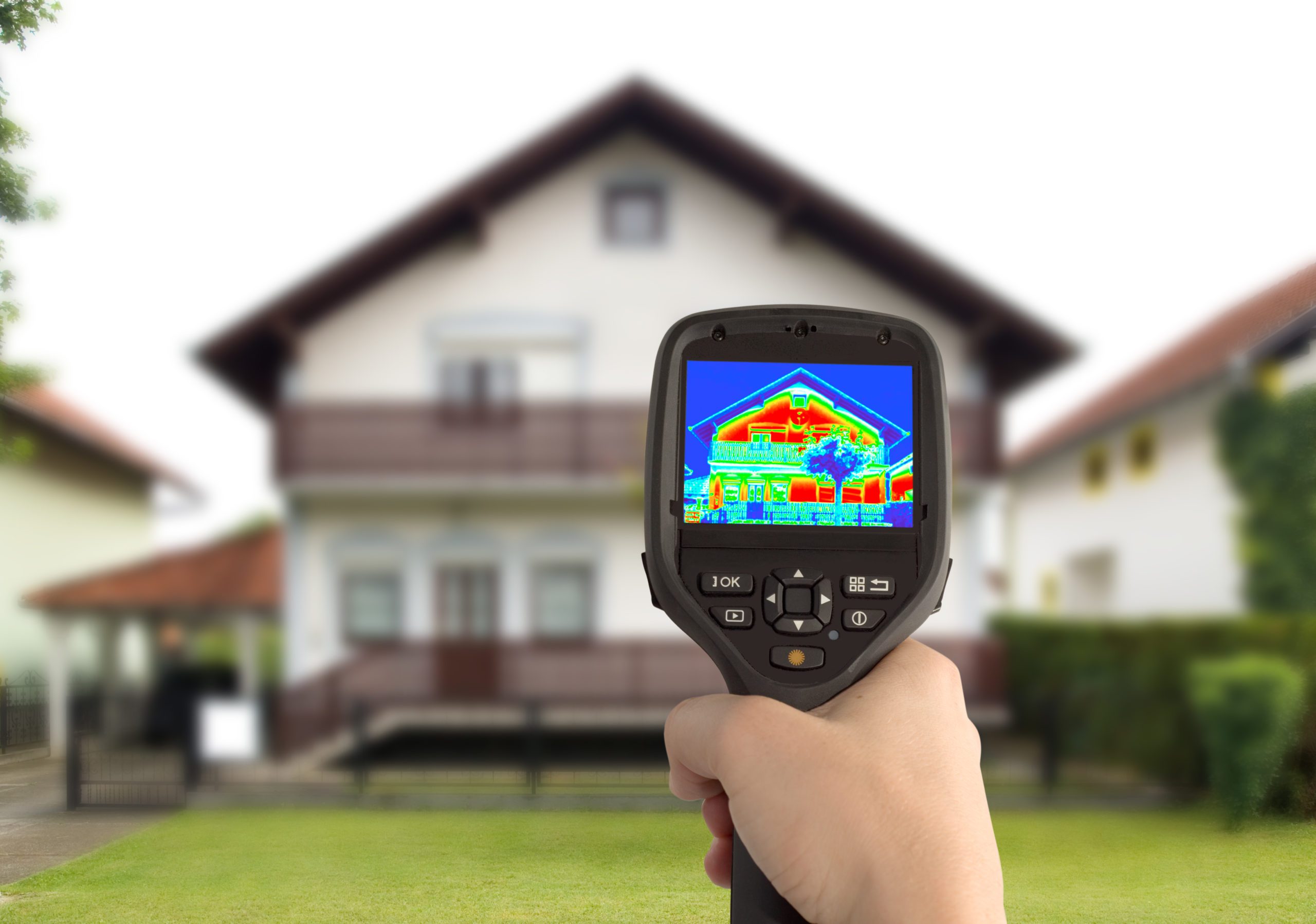
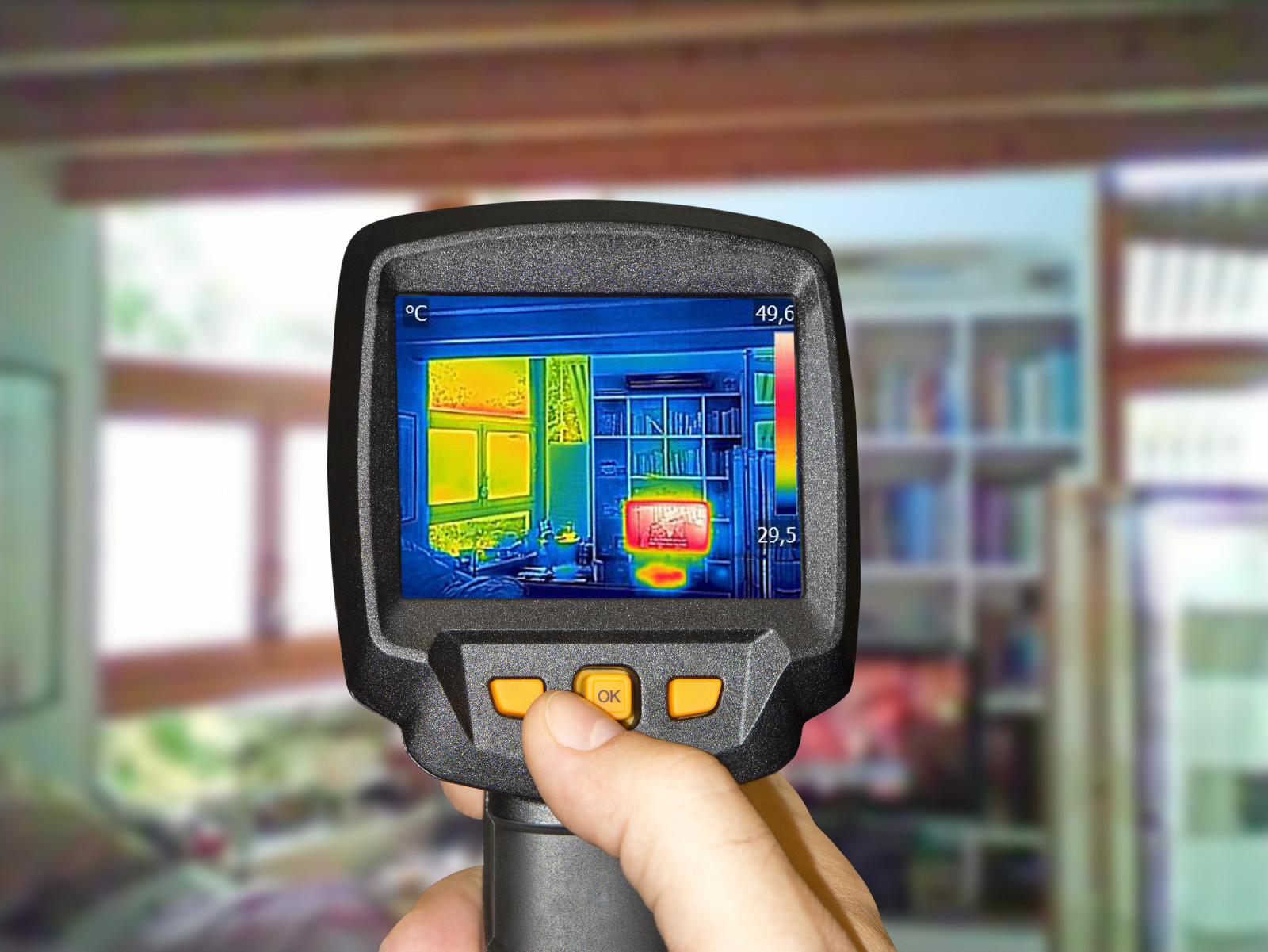
Looking for a reliable handheld infrared thermal camera in 2026? The Hanmatek TI240 stands out with pro-level features at an accessible price.
Key Specs
Users love it for electrical panels, home insulation checks, water leak detection, and preventive maintenance.
Real-world examples:
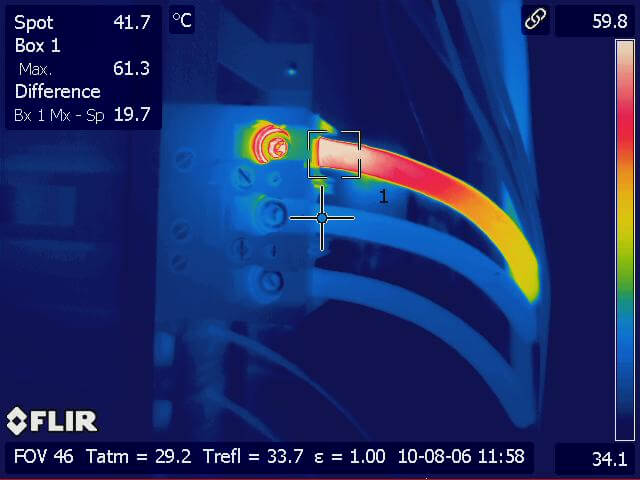

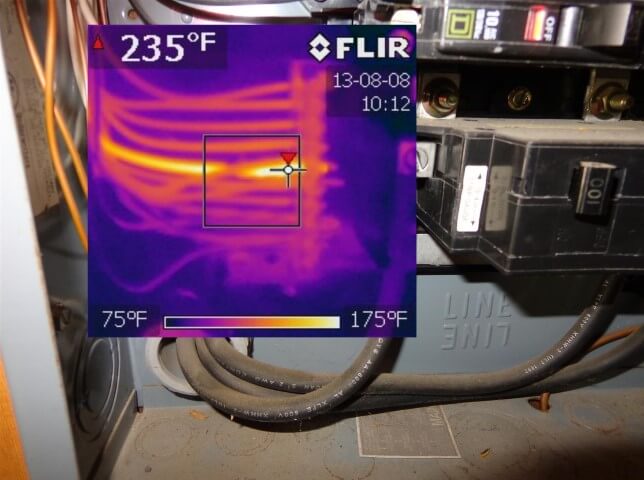
The Hanmatek TI240 makes high-quality thermal imaging affordable and user-friendly — ideal for beginners and pros alike.
👉 Buy the Hanmatek TI240 today: Hanmatek TI240 Thermal Camera – 240×240 Pixels
Unlock the power of seeing heat — prevent failures, save energy, and work smarter with thermal imaging. 🔥📸
{"one"=>"Select 2 or 3 items to compare", "other"=>"{{ count }} of 3 items selected"}


Leave a comment