
Free Returns Guarantee
Free & Easy Returns
Free & Easy Returns

Have you ever wondered how firefighters see through smoke or how electricians spot overheating wires without touching them? A thermal camera (also called an infrared thermal camera) makes it possible by "seeing" heat instead of visible light. This beginner-friendly guide explains exactly how a thermal camera works in simple steps—no technical jargon required!
Everything around you—people, walls, pets, even a cup of coffee—gives off invisible heat energy called infrared radiation (IR).
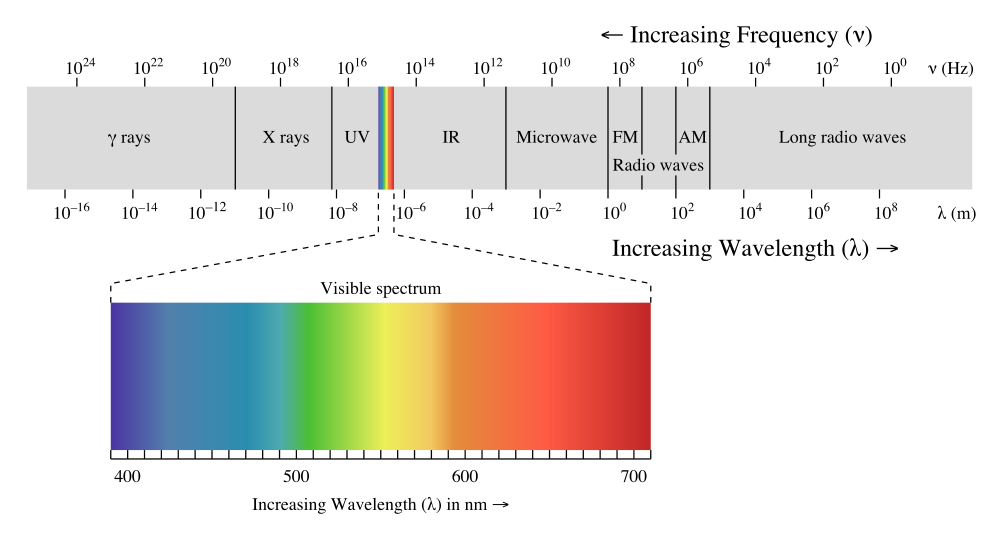
Your eyes can't see infrared because it's outside the visible light spectrum. Think of it like radio waves: they're there, but invisible to us.
This simple chart shows where infrared sits compared to visible light (the colors we see).
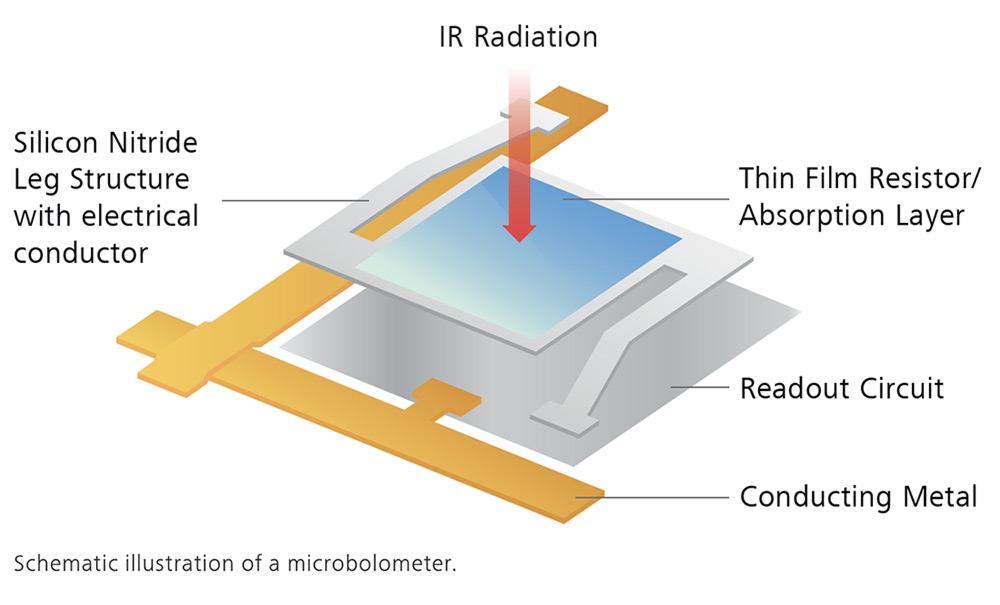
Here's the easy breakdown of how an infrared thermal camera turns invisible heat into a colorful picture:
This clear diagram shows the main parts inside a thermal camera.
The result? You see a "heat map" on the screen instantly!
Common color palette: White-hot (left) and rainbow (right). You can switch palettes on most cameras.
Thermal cameras are super useful for:
This illustration shows a thermal camera revealing cold air leaking through a window (bright blue areas).
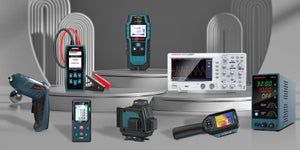
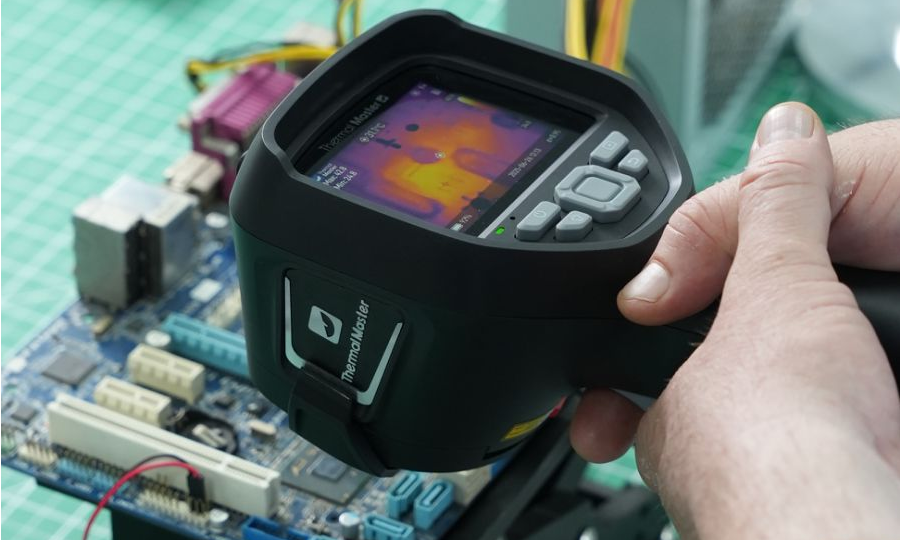
Hanmatek makes affordable, easy-to-use handheld thermal cameras perfect for beginners.
Both come with a clear screen, simple buttons, and built-in storage—no complicated setup needed!
A thermal camera doesn't "see" like your eyes—it measures invisible heat and paints it in colors you can understand. That's all there is to how a thermal camera works! Whether you're a homeowner, DIY enthusiast, or just curious, it's an amazing tool that feels like a superpower.
Have questions? Drop them in the comments below. Happy heat hunting! 🔥
{"one"=>"Select 2 or 3 items to compare", "other"=>"{{ count }} of 3 items selected"}

Leave a comment