
Free Returns Guarantee
Free & Easy Returns
Free & Easy Returns

Thermal imaging cameras, also known as handheld thermal cameras or infrared cameras, have become essential tools for professionals in maintenance, inspection, and troubleshooting. Whether you're detecting electrical faults, identifying HVAC inefficiencies, or conducting industrial predictive maintenance, choosing the right device can save time, reduce costs, and prevent failures.
This guide covers key factors like resolution selection, differences between industrial vs. home-use models, applications in electrical detection and HVAC, and budget considerations to help you make an informed purchase.
Resolution determines how much detail your thermal camera captures. It's measured in pixels (e.g., 240×240), with higher counts providing sharper images, better zoom capability, and more accurate temperature readings from a distance.
Common resolution tiers for professionals include:
Higher resolution means more pixels acting as individual "thermometers," enabling precise hotspot detection without losing clarity when zooming or cropping.


(Comparison of thermal camera resolutions — notice how higher pixel counts reveal finer temperature variations.)
For professionals, aim for at least 240×240 or higher to ensure reliable diagnostics in real-world scenarios.
Home-use or consumer-grade thermal cameras (often smartphone attachments) prioritize affordability and simplicity. They typically feature lower resolutions (e.g., 80×60 to 160×120), limited temperature ranges, and basic apps for occasional tasks like home energy audits or DIY checks.
Industrial-grade handheld thermal cameras are built for demanding environments:
Industrial models excel in preventive maintenance where downtime costs thousands, while consumer options suffice for casual or entry-level needs.


(Professional handheld thermal imagers in action during industrial inspections.)
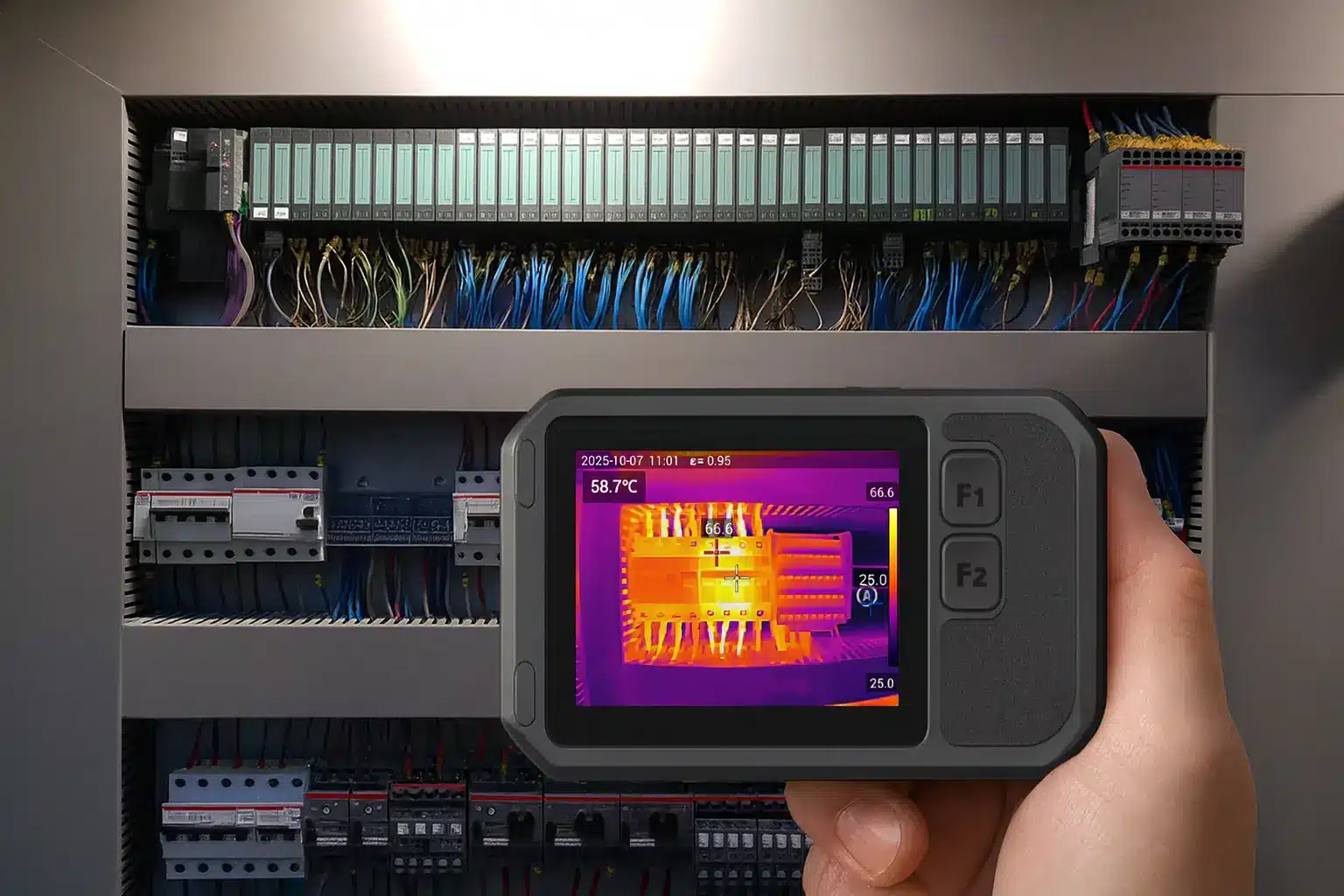
In electrical inspections, thermal cameras detect abnormal heat from overloaded circuits, loose connections, or faulty components — often invisible to the naked eye.
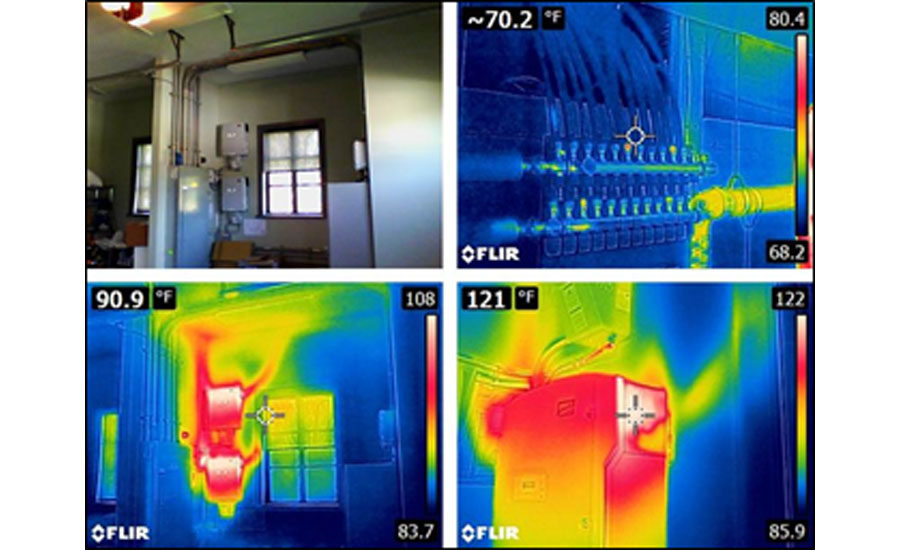
Hotspots appear as bright spots on the thermal image, indicating potential fire risks or equipment failure. Professionals scan panels, transformers, motors, and wiring under load for anomalies.
Key requirements:
Regular scans prevent costly outages and enhance safety.

(Thermal views of electrical panels highlighting hotspots from overheating components.)
HVAC professionals rely on thermal imaging to identify insulation gaps, duct leaks, blocked coils, refrigerant issues, and energy losses.
Thermal cameras visualize temperature differences:
This non-contact method speeds up diagnostics, confirms repairs, and improves system efficiency — crucial for reducing energy bills and maintaining indoor air quality.
(HVAC inspections revealing duct leaks and temperature anomalies.)
Professional handheld thermal cameras range widely:
Consider total value: durability, battery life, software, warranty, and accuracy. Mid-range options often deliver 80–90% of high-end performance at half the cost.
For professionals seeking excellent performance without premium pricing, the Hanmatek Ti240 stands out as a top recommendation. With its sharp 240×240 resolution, intuitive 3.5" touchscreen, intelligent scene detection, and robust build, it's optimized for electrical, HVAC, and industrial tasks.
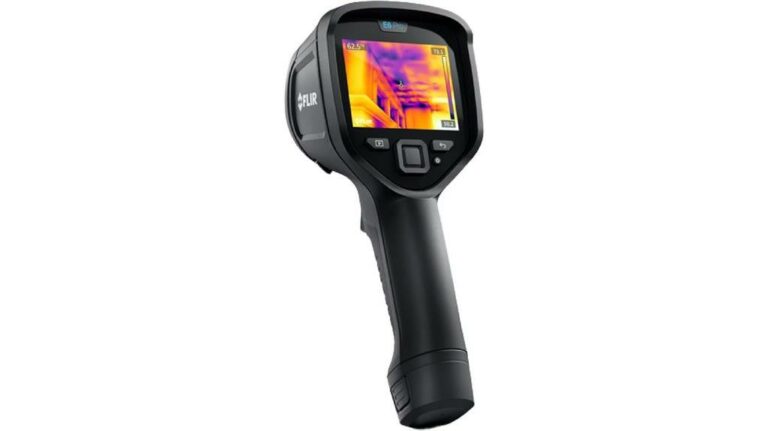
(The Hanmatek Ti240 — clearer imaging for smarter inspections.)
👉 Ready to upgrade? Check out the Hanmatek Ti240 here: https://hanmatek.com/collections/thermal-camera/products/hanmatek-ti240-thermal-camera-ti240-with-240-x-240-pixels
Investing in the right industrial thermal imaging camera boosts efficiency and reliability. Prioritize resolution and application fit within your budget for the best long-term results.
{"one"=>"Select 2 or 3 items to compare", "other"=>"{{ count }} of 3 items selected"}




Leave a comment