
Free Returns Guarantee
Free & Easy Returns
Free & Easy Returns

In the world of electrical maintenance, a thermal imaging camera for electrical inspection is an invaluable tool for detecting hidden issues before they escalate into costly failures or safety hazards. Thermal imaging technology allows professionals to identify overheating components in electrical systems, such as distribution boxes, without direct contact. This non-invasive method not only enhances efficiency but also minimizes downtime. At Hanmatek, our TI240 thermal camera, with its high 240x240 pixel resolution, stands out for precise electrical inspections.
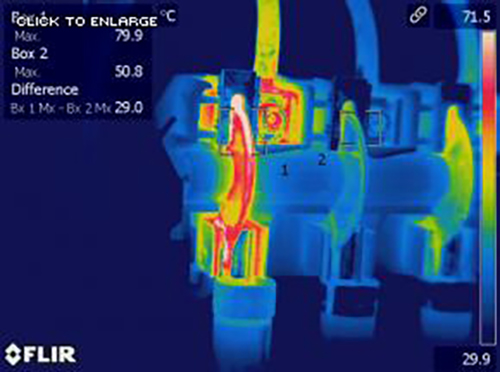
One of the primary applications of a thermal camera in electrical inspection is spotting overheating in distribution boxes. Overloaded circuits, loose connections, or faulty breakers can generate excessive heat, which is invisible to the naked eye but easily detectable through infrared imaging. By scanning the panel, you can pinpoint hot spots that indicate potential fire risks or equipment failure.
For instance, during a routine check, a thermal scan might reveal a breaker running at 20-30°C above ambient temperature, signaling an imminent issue. Regular use of a thermal camera for electrical inspection helps prevent blackouts and extends the lifespan of your electrical infrastructure.
Safety is paramount in any electrical inspection. Always ensure you're qualified or certified to perform such tasks, as working near live electrical systems poses risks like arc flashes or shocks. Key safety best practices include:
By following these guidelines, you can conduct thermal camera electrical inspections safely and effectively, protecting both yourself and the equipment.
Higher resolution in a thermal camera, like the 240x240 pixels in the Hanmatek TI240, provides clearer images and more detailed thermal data. This is crucial for electrical inspections where small temperature variations can indicate early-stage problems. Lower-resolution cameras might miss subtle hotspots in crowded distribution boxes, leading to overlooked issues.
With the TI240, you get sharper visuals that allow for better analysis, faster diagnostics, and more reliable reports. It's ideal for professionals in industrial, commercial, or residential settings who demand precision.
In conclusion, incorporating a thermal camera into your electrical inspection routine can save time, money, and lives. For top-tier performance, check out the Hanmatek TI240 at https://hanmatek.com/de/collections/thermal-camera/products/hanmatek-ti240-thermal-camera-ti240-with-240-x-240-pixels.
{"one"=>"Select 2 or 3 items to compare", "other"=>"{{ count }} of 3 items selected"}


Leave a comment