
Free Returns Guarantee
Free & Easy Returns
Free & Easy Returns

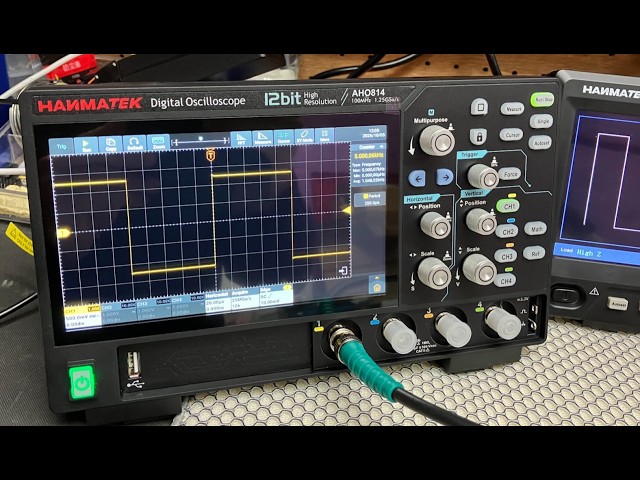
In complex embedded systems, power electronics, and multi-signal environments, debugging often involves correlating several waveforms at once. Imagine trying to diagnose a microcontroller issue where a power rail glitch causes a digital signal dropout—or analyzing timing between clock, data, and control lines in a communication bus. A multi-channel benchtop oscilloscope enables simultaneous signal measurement, providing the visibility needed for efficient system-level debugging that single- or dual-channel scopes simply can't match.
Single-channel or 2-channel benchtop oscilloscope force engineers to probe signals sequentially, leading to:
Multi-channel designs (4 channels or more) solve these by capturing everything at once:
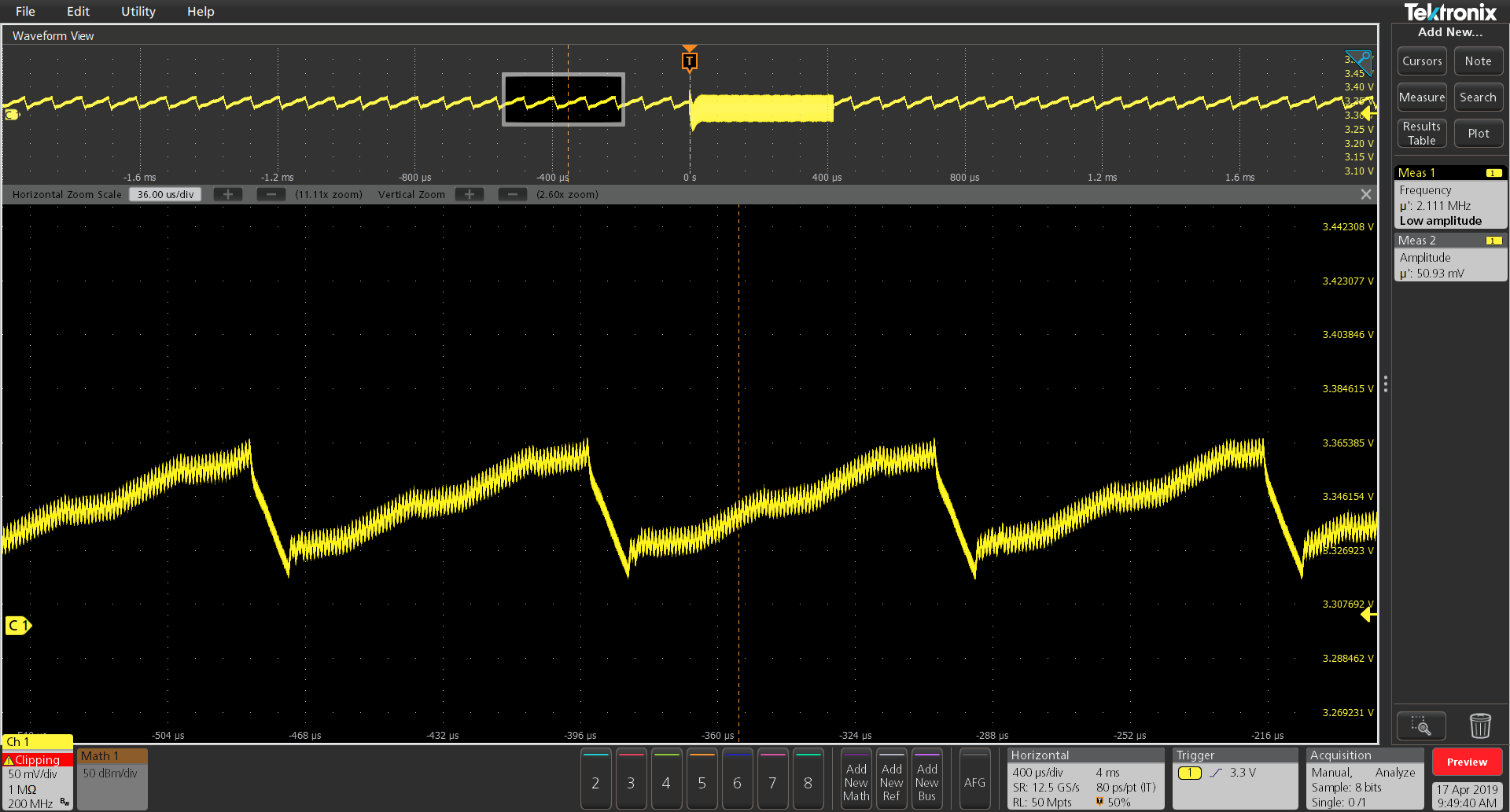


These capabilities dramatically reduce debug time—from days to minutes—in automotive ECUs, IoT devices, switch-mode power supplies, and motor drives.
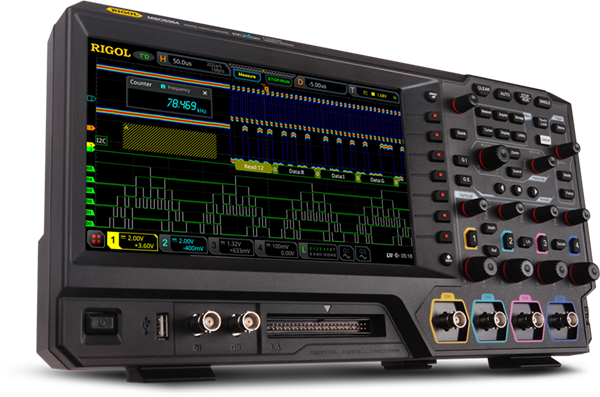
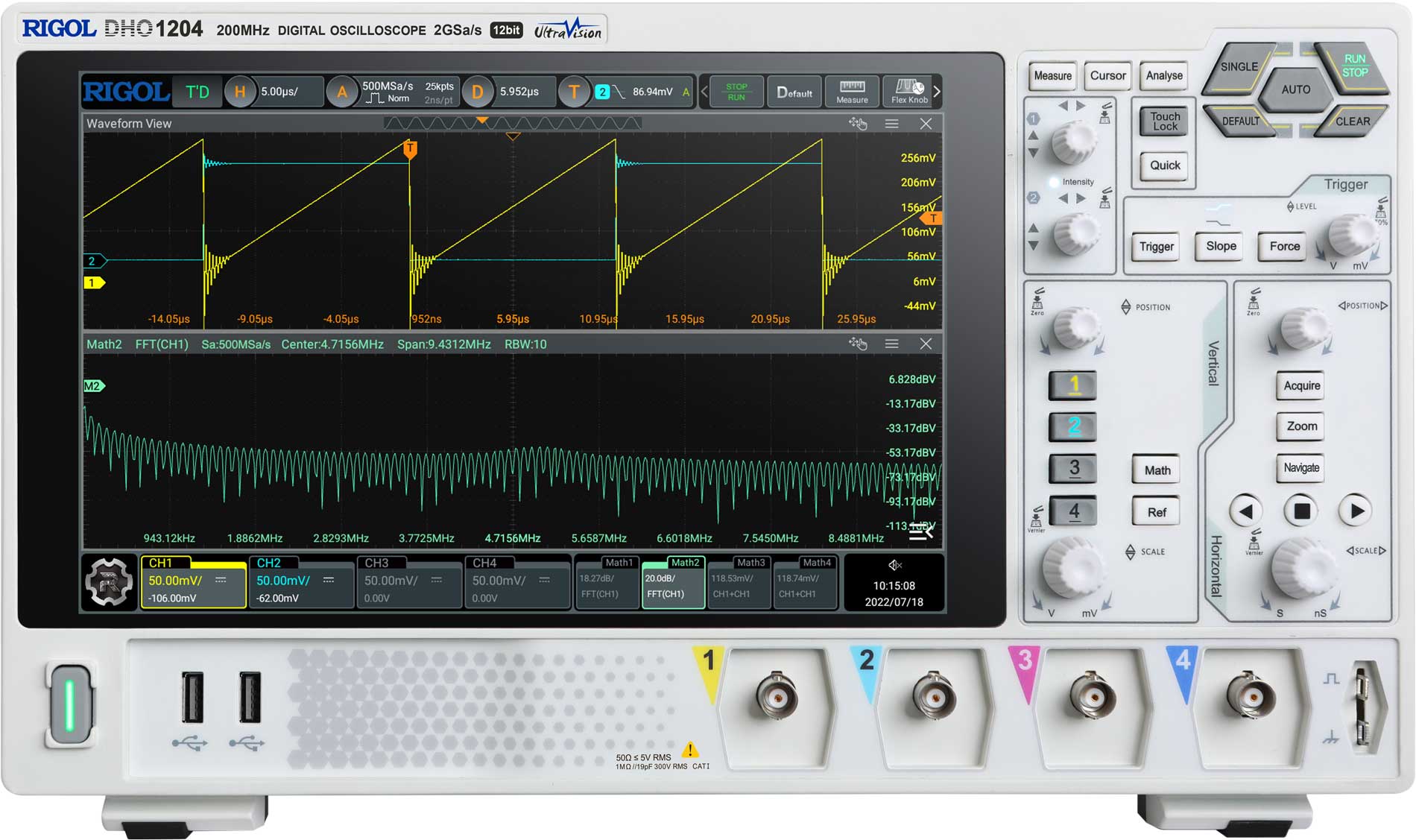
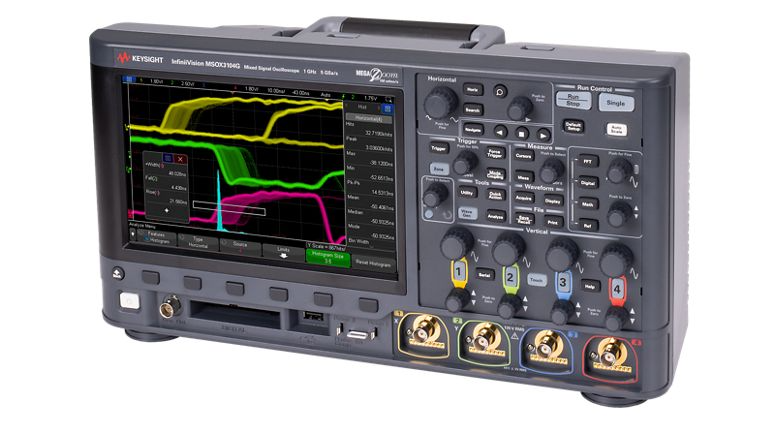
True simultaneous acquisition ensures perfect time alignment across channels—no skew from sequential triggering. This allows:
The result? Faster root-cause identification, fewer iterations, and more reliable designs.
Hanmatek delivers accessible multi-channel performance without the high cost of premium brands, making advanced analysis available to small teams, educators, and hobbyists.
Key models:


All feature intuitive controls, deep memory, USB connectivity, and robust build—delivering real engineering value at budget-friendly prices.
For advanced signal analysis involving simultaneous signal measurement and system-level insights, a multi-channel benchtop oscilloscope is non-negotiable. It transforms complex debugging from guesswork into precise, efficient science.
Ready to level up your bench? Explore Hanmatek's reliable multi-channel options today. 🛠️
{"one"=>"Select 2 or 3 items to compare", "other"=>"{{ count }} of 3 items selected"}



Leave a comment