
Kostenlose Rückgabegarantie
Free & Easy Returns
Free & Easy Returns

Hanmatek Ti240 Thermal Camera detects electrical faults and HVAC inefficiencies in homes, commercial buildings, and industrial facilities. By visualizing invisible heat patterns, it helps spot problems early—before failures, fires, or soaring energy costs occur.
The newly released HANMATEK Ti240 Thermal Camera — a high-resolution handheld thermal camera with 240×240 IR resolution — makes these inspections faster, safer, and more accurate than ever before. With its sharp detail, wide temperature range, and smart features, the Ti240 is the perfect thermal camera for electrical inspection and HVAC thermal inspection.
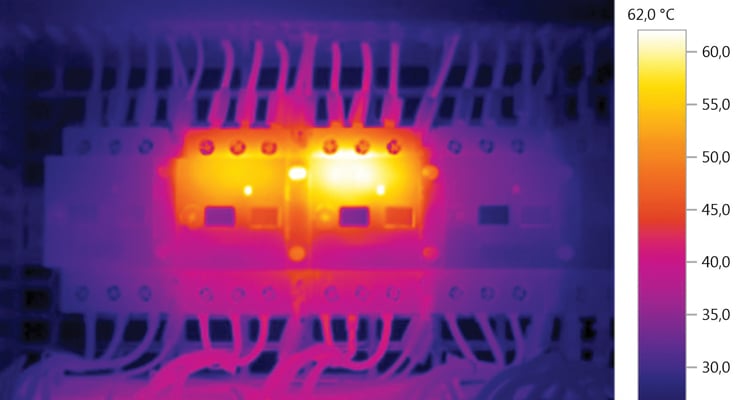
Here are some real-world examples of thermal images showing electrical overheating:
Overloaded circuits, loose connections, faulty breakers, and unbalanced loads generate excess heat — often the first warning sign of impending failure.
The Ti240 excels at thermal camera for electrical inspection because of:
Common issues you’ll catch quickly:
Early detection with the Ti240 prevents costly downtime, reduces fire risk, and extends equipment life.
HVAC systems waste enormous energy through poor insulation, duct leaks, blocked vents, or refrigerant issues. The Ti240 reveals these problems instantly through thermal contrast.
See how thermal imaging detects air leaks and poor insulation in HVAC/building applications:
Key HVAC advantages of the Ti240:
You’ll easily identify:
These insights lead to faster repairs, better energy efficiency, and lower utility costs for your clients.
Engineers, electricians, HVAC techs, and facility managers love the Ti240 because it combines pro-level performance with user-friendly design and unbeatable value:
Ready to upgrade your inspections with sharper thermal vision?
Get the HANMATEK Ti240 Thermal Camera today and start detecting problems faster: Buy HANMATEK Ti240 Thermal Camera
Check out more exciting new tools: Explore New Arrival HANMATEK Tools Collection
Stop guessing — start seeing with the Ti240. Your next inspection will thank you.
{"one"=>"Wählen Sie 2 oder 3 Artikel zum Vergleichen aus", "other"=>"{{ count }} von 3 Elementen ausgewählt"}
Wählen Sie das erste zu vergleichende Element aus
Wählen Sie das zweite zu vergleichende Element aus
Wählen Sie das dritte Element zum Vergleichen aus



Einen Kommentar hinterlassen