
Kostenlose Rückgabegarantie
Free & Easy Returns
Free & Easy Returns

One of the most common questions beginners ask is: “Is an oscilloscope AC or DC?”
The short answer is: It can be both. Modern oscilloscopes like the HANMATEK DOS1102 support both AC coupling and DC coupling on each channel. Understanding the difference is essential for getting accurate measurements.
DC coupling allows both AC and DC components to pass through, displaying the actual voltage level including any DC offset. This mode is critical when measuring absolute voltages, power supply outputs, or logic levels, providing the complete picture of the signal’s reference to ground.
AC coupling uses a capacitor to block the DC component, allowing only the AC part of the signal to be displayed. This is particularly useful for observing small AC variations (such as ripple or noise) riding on a large DC voltage. Industry best practices, as noted in the 2025 Test & Measurement Whitepaper, recommend AC coupling for most ripple and noise analysis to improve visibility and measurement accuracy.
Today’s digital benchtop oscilloscopes, including models manufactured under ISO9001:2015 certified processes, offer quick switching between AC and DC coupling with clear on-screen indicators. As reported by Electronics Weekly in their 2026 oscilloscope review, this flexibility significantly reduces beginner errors and improves measurement confidence.
Coupling determines how the input signal is connected to the oscilloscope’s internal circuits. There are two main types:
AC coupling is the default choice for many measurements because it:
However, DC coupling is essential when you need to measure:
| Measurement Type | Recommended Coupling |
|---|---|
| Signal ripple / noise | AC Coupling |
| Digital logic levels | DC Coupling |
| Power supply output voltage | DC Coupling |
| Audio / sine wave signals | AC Coupling |
| PWM duty cycle with offset | DC Coupling |
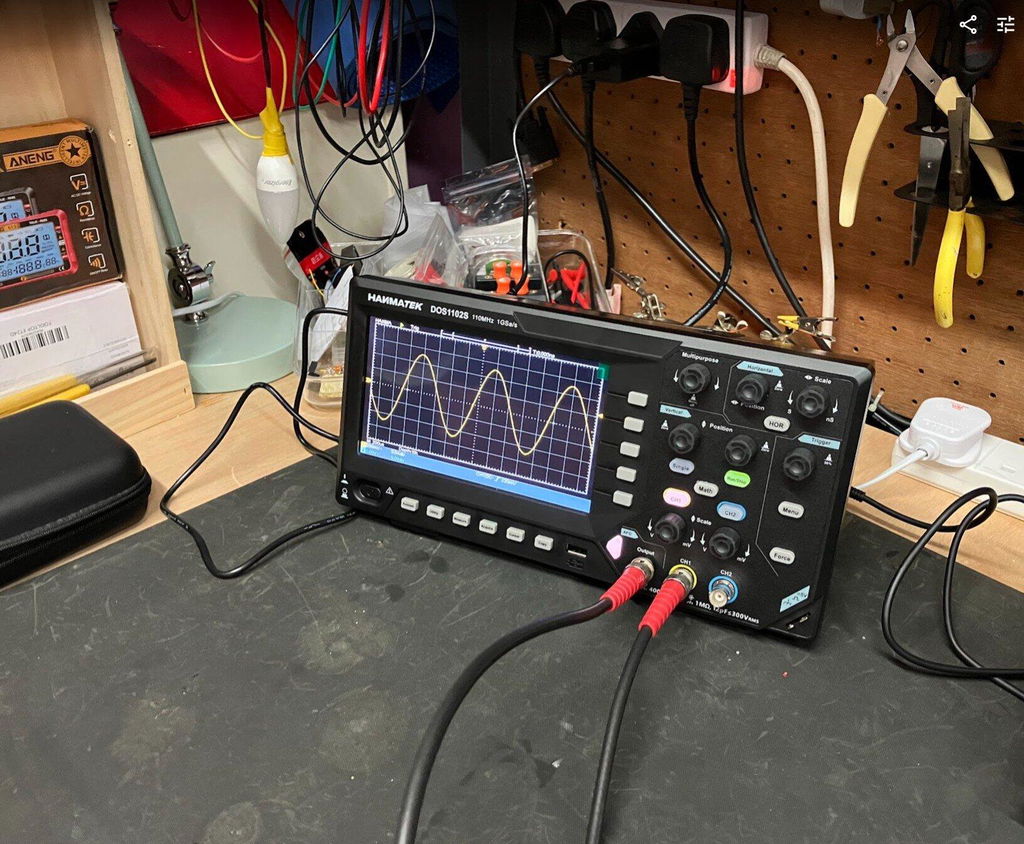
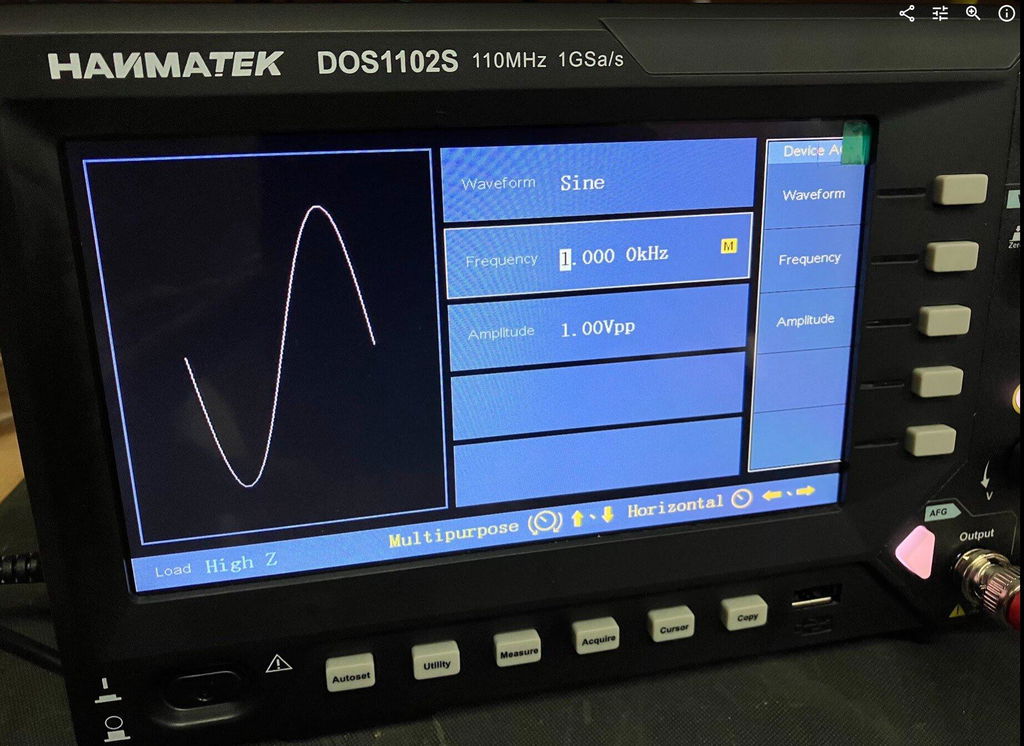
Most modern digital oscilloscopes, including the HANMATEK DOS1102, make switching between AC and DC coupling quick and easy via the channel menu.
If you're looking for a reliable and easy-to-use oscilloscope that supports both AC and DC coupling, the HANMATEK DOS1102 is an excellent choice:
Buy the HANMATEK DOS1102 110MHz 2-Channel Benchtop Oscilloscope

Mastering AC and DC coupling is one of the first important skills every electronics enthusiast should learn. Once you understand when to use each, your measurements become much more accurate and meaningful.
Have you ever used the wrong coupling mode and got strange results? Share your experience in the comments below!
{"one"=>"Wählen Sie 2 oder 3 Artikel zum Vergleichen aus", "other"=>"{{ count }} von 3 Elementen ausgewählt"}
Wählen Sie das erste zu vergleichende Element aus
Wählen Sie das zweite zu vergleichende Element aus
Wählen Sie das dritte Element zum Vergleichen aus


Einen Kommentar hinterlassen