
Free Returns Guarantee
Free & Easy Returns
Free & Easy Returns

Hilly golf courses are beautiful — but they can be brutally punishing when it comes to club selection. Elevation changes dramatically affect how far the ball actually travels. A 150-yard shot uphill can play like 170 yards, while the same distance downhill might play closer to 135. On courses with significant slopes, guesswork often leads to short-sided misses, three-putts, or big numbers.
This is exactly why a laser golf rangefinder with slope compensation becomes essential on undulating terrain. It gives you the playable (adjusted) distance, not just the straight-line measurement, helping you choose the correct club every time.
Golf is played in three dimensions, but most basic rangefinders only tell you the horizontal distance. On hilly layouts, this creates a huge gap between what you measure and what you actually need.
Here’s a visual comparison showing how uphill and downhill affect distance:
And another clear diagram illustrating the difference between actual vs. adjusted yardage:
Without slope adjustment, you’re essentially guessing — and on mountain or links-style courses, that guess is rarely close.
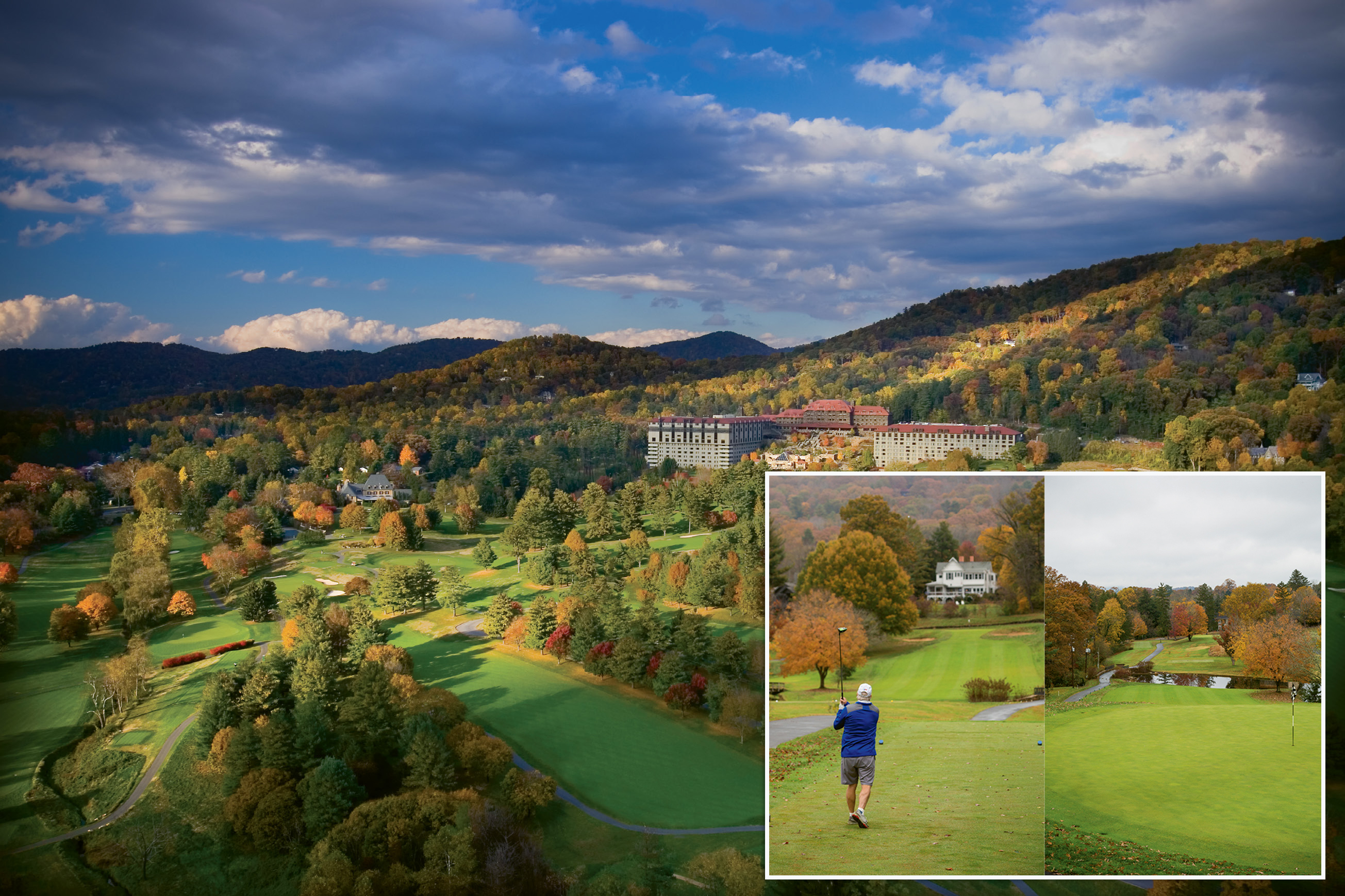
Courses with dramatic elevation changes make distance control extremely difficult. Look at these examples of stunning (but demanding) hilly holes:
And here’s a classic uphill approach from an elevated tee box — a common scenario where slope matters most:
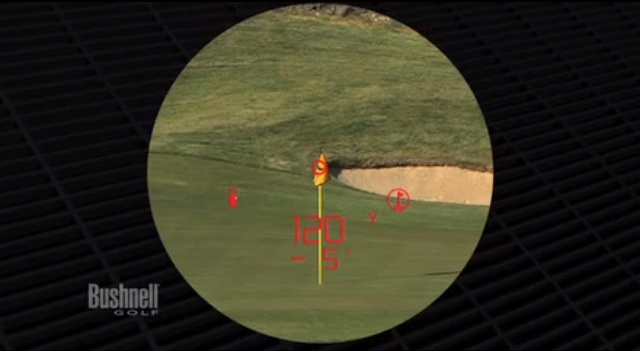
A slope-enabled rangefinder measures the angle of incline/decline and calculates the adjusted distance — the distance your ball will effectively travel given the slope.
See examples of rangefinders displaying both the line-of-sight distance, angle, and slope-adjusted yardage:
This feature is a game-changer on hilly courses — but remember: most tournaments require you to disable slope (many models have a simple toggle switch for legal play).
The Hanmatek GR1200 Golf Rangefinder is built for exactly these conditions:
Golfers love using it on undulating courses because it delivers confident, accurate yardages in seconds.
Here are real golfers measuring distances on challenging, hilly layouts:
Ready to conquer hilly courses with precision? The Hanmatek GR1200 gives you the tools to make smarter decisions on every shot.
👉 Get yours here: Hanmatek GR1200 Golf Rangefinder with Slope Compensation – 1200 Yards
Explore more innovative tools in the latest arrivals: New Arrival Hanmatek Tools Collection
Next time you play a hilly course, don’t leave accuracy to chance. A reliable slope rangefinder like the GR1200 can turn frustration into confidence — and very likely save you several strokes per round. 🏌️♂️⛰️
{"one"=>"Seleccione 2 o 3 artículos para comparar", "other"=>"{{ count }} de 3 artículos seleccionados"}
Seleccione el primer artículo para comparar
Seleccione el segundo artículo para comparar
Seleccione el tercer elemento para comparar





Dejar un comentario