
Free Returns Guarantee
Free & Easy Returns
Free & Easy Returns

Thermal Camera technology is transforming PCB inspection and debugging in electronics design and manufacturing, where identifying issues can be challenging. These cameras provide non-contact, real-time insights into thermal anomalies such as hotspots, short circuits, and overloaded components. The HANMATEK TI240 Thermal Camera plays a pivotal role in both R&D and repair processes, enabling engineers to quickly pinpoint problematic areas on PCBs. Compared to traditional methods using oscilloscopes combined with thermal imaging, a dedicated Thermal Camera like the TI240 streamlines diagnostics, reduces risk, and improves overall testing efficiency.
PCBs are prone to thermal issues that can lead to failures if not detected early. Hotspots often arise from poor solder joints, component failures, or inadequate heat dissipation, manifesting as elevated temperatures in specific areas. Short circuits, caused by unintended connections between traces or components, generate excessive heat due to uncontrolled current flow. Overloaded components, such as resistors or capacitors pushed beyond their ratings, also exhibit abnormal heating, risking burnout or system malfunction.
Using thermal imaging, engineers can visualize these problems without powering down the board or using invasive probes. For example, a hotspot might appear as a bright red area on the thermal image, indicating potential failure points. This approach not only speeds up diagnosis but also prevents further damage during testing.
The HANMATEK TI240 thermal camera, boasting a 240x240 pixel resolution and high thermal sensitivity, is an indispensable tool for both R&D and repair workflows. In R&D, it aids in prototyping by quickly identifying thermal inefficiencies, allowing designers to optimize layouts for better heat management. During repair, technicians can pinpoint faulty components in seconds, reducing diagnostic time from hours to minutes.
Its user-friendly features, including a clear display, adjustable emissivity, and data logging, make it suitable for professionals at all levels. Whether troubleshooting a complex multilayer PCB or verifying repairs, the TI240 ensures accuracy and efficiency. For more details, check out the HANMATEK TI240 product page.
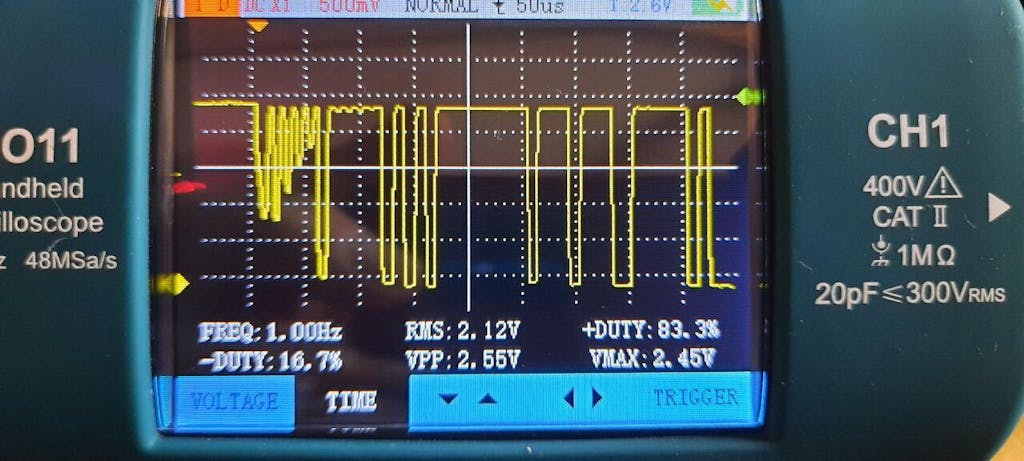
While oscilloscopes are essential for electrical signal analysis, they fall short in detecting thermal issues. An oscilloscope can measure voltage and current waveforms to identify short circuits or overloads electrically, but it requires physical probing, which can be time-consuming and risky on live boards.
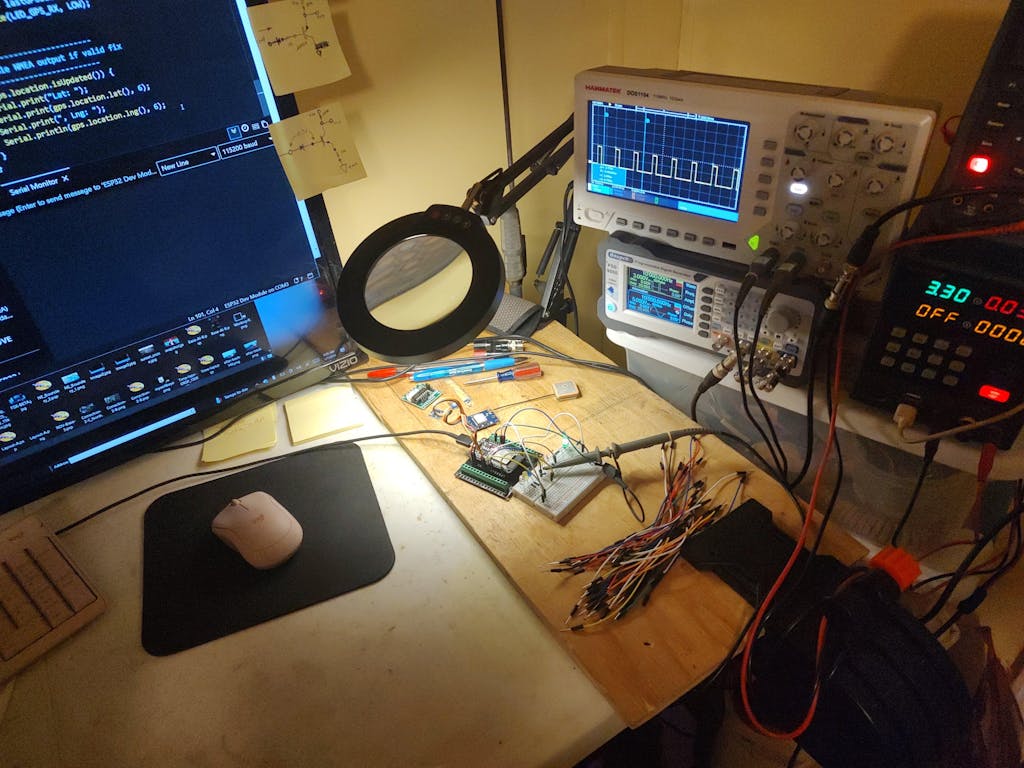
Combining an oscilloscope with thermal imaging, like using the HANMATEK TI240, creates a powerful joint debugging setup. The thermal camera locates heat-related anomalies first, guiding where to probe with the oscilloscope for detailed electrical verification. This synergy reduces overall debugging time by up to 50%, minimizes errors, and enhances safety. In contrast, relying solely on an oscilloscope might miss subtle thermal problems until they cause visible damage.
In summary, thermal cameras like the HANMATEK TI240 transform PCB inspection and debugging into a more precise and efficient process. By addressing hotspots, short circuits, and overloads proactively, engineers can ensure reliable electronics. Elevate your toolkit today—visit the HANMATEK TI240 product page.
{"one"=>"Seleccione 2 o 3 artículos para comparar", "other"=>"{{ count }} de 3 artículos seleccionados"}
Seleccione el primer artículo para comparar
Seleccione el segundo artículo para comparar
Seleccione el tercer elemento para comparar



Dejar un comentario