
Garantie de retour gratuit
Free & Easy Returns
Free & Easy Returns

Choosing between a benchtop oscilloscope and a handheld oscilloscope is one of the most common decisions engineers, technicians, and hobbyists face. Both instruments can capture and display electrical waveforms, but they are engineered for different working environments and priorities. Understanding the practical differences helps you select the tool that matches how and where you actually test.
Fact 1: There Is No Universally Superior Type — Environment Determines the Better Choice
Benchtop and handheld oscilloscopes serve complementary roles rather than competing directly. According to the 2025 Electronics Test Equipment Whitepaper, engineers who match the instrument type to their primary work location report higher measurement efficiency and lower frustration compared with those who force a single form factor into mismatched scenarios.
Fact 2: Benchtop Models Deliver Superior Depth for Fixed, In-Depth Analysis
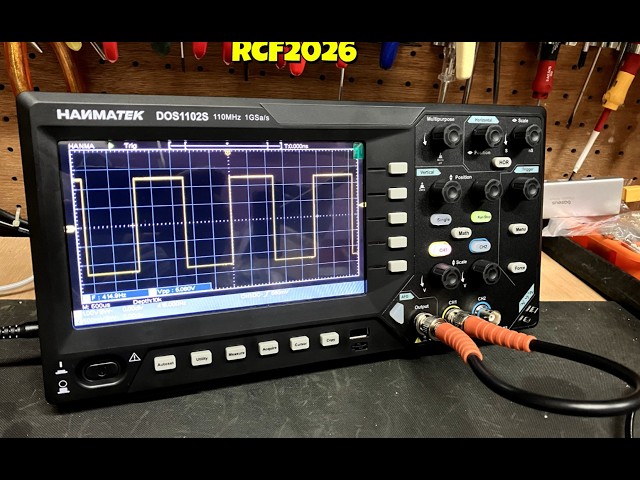
When work is performed at a stable laboratory or repair bench, benchtop oscilloscopes generally provide larger displays, deeper memory, more advanced triggering, and better long-duration measurement stability. These characteristics make them the preferred platform for R&D, detailed waveform analysis, and multi-instrument setups.
Fact 3: Handheld Oscilloscopes Are Essential for True Field Mobility
In environments where equipment cannot be brought to a lab — such as industrial sites, automotive diagnostics, or on-site repairs — battery-powered handheld oscilloscopes offer decisive practical advantages. Their compact size, independent power, and portability allow technicians to perform measurements directly at the point of need without sacrificing essential diagnostic capability.
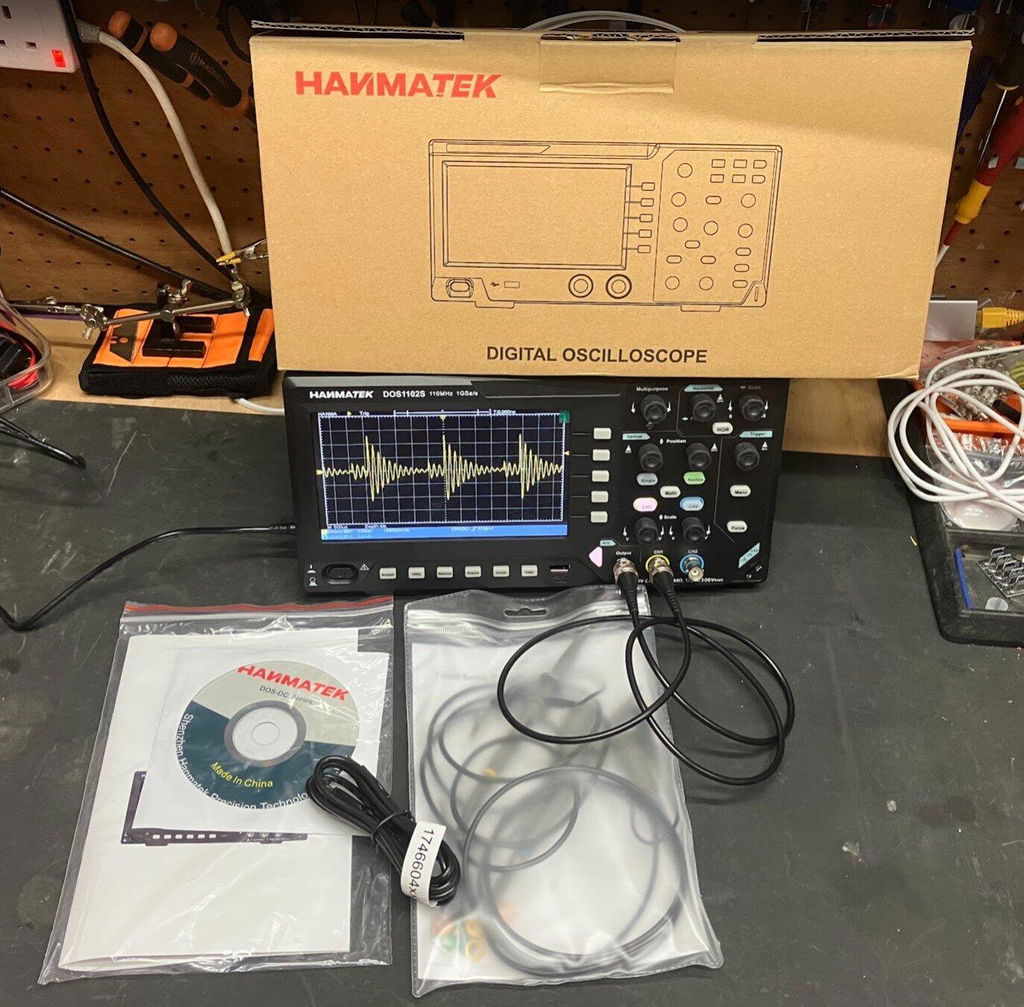
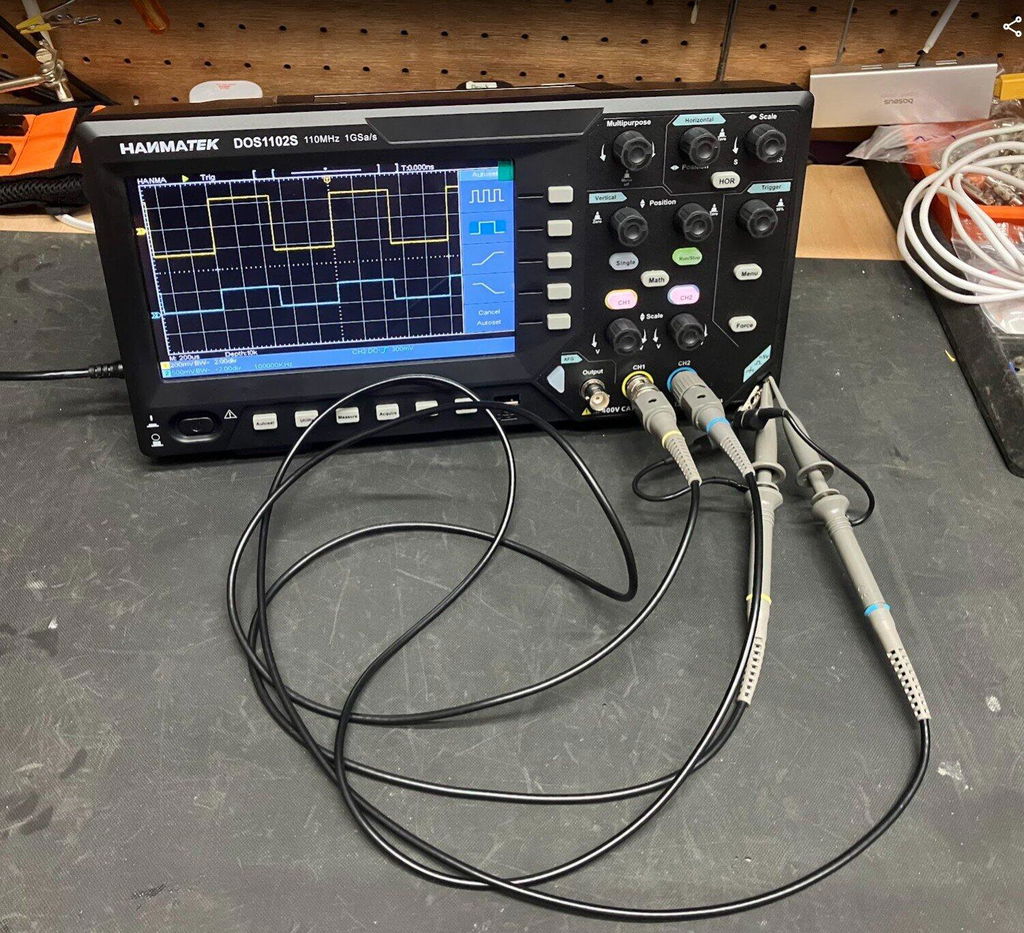
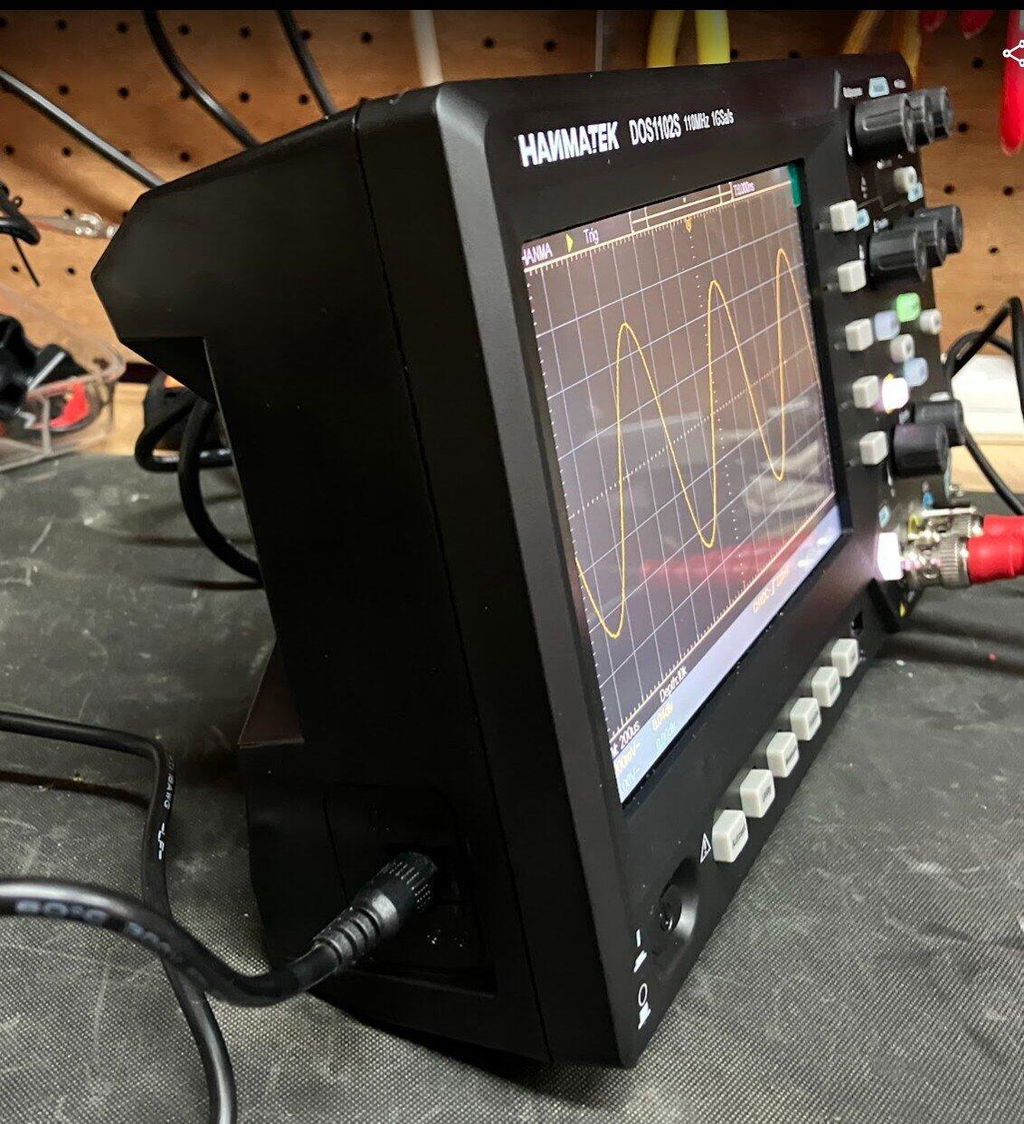
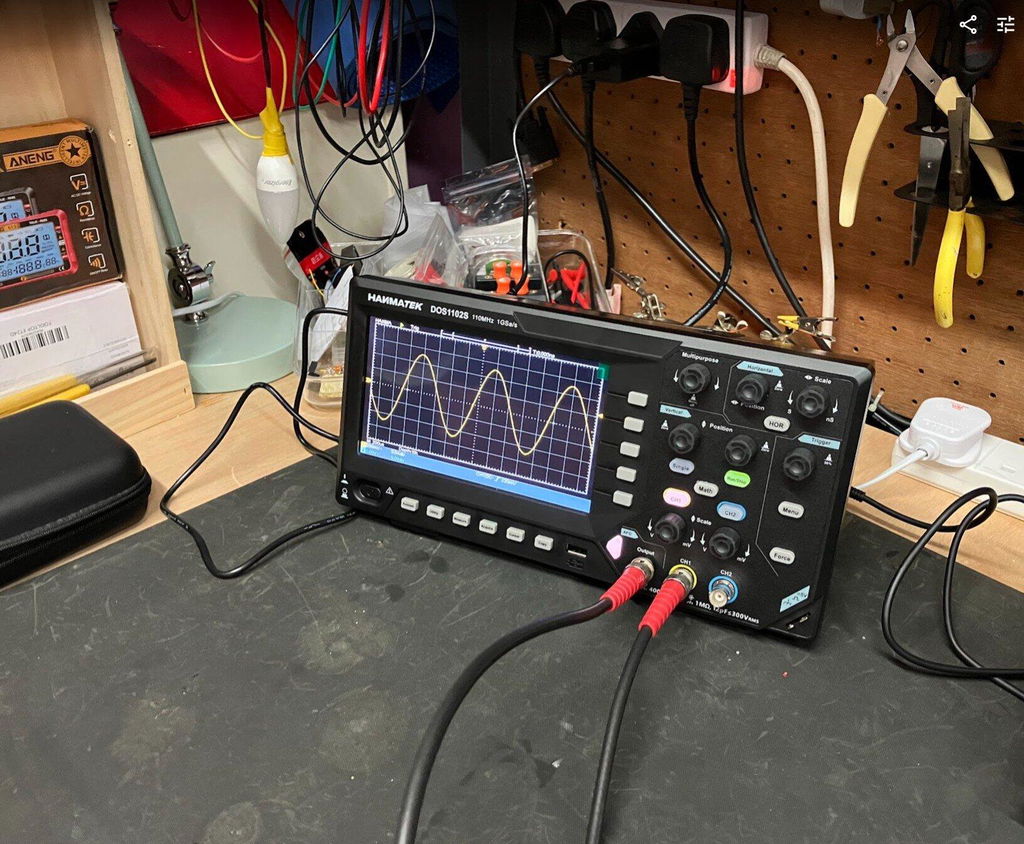
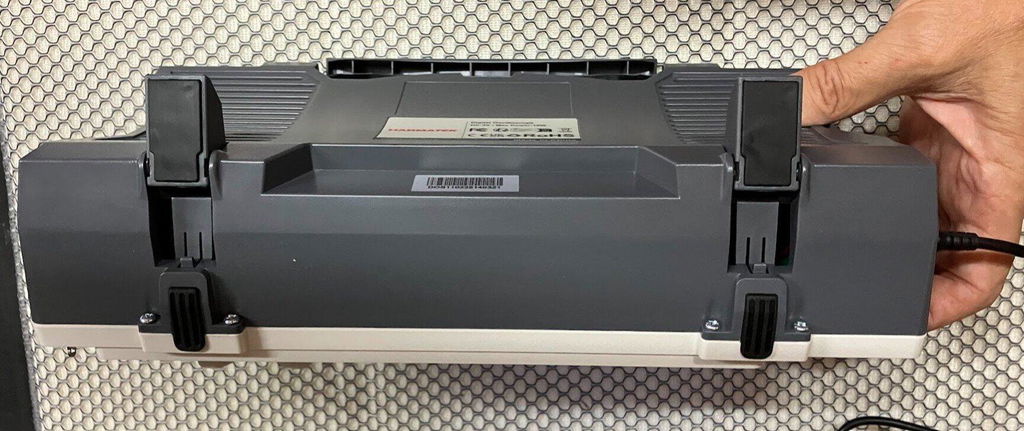
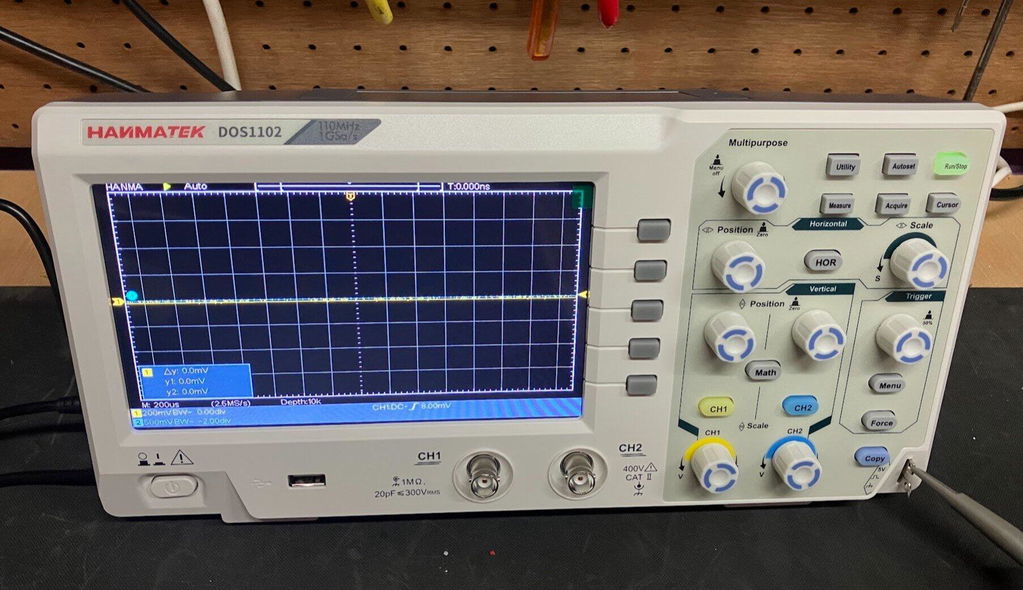
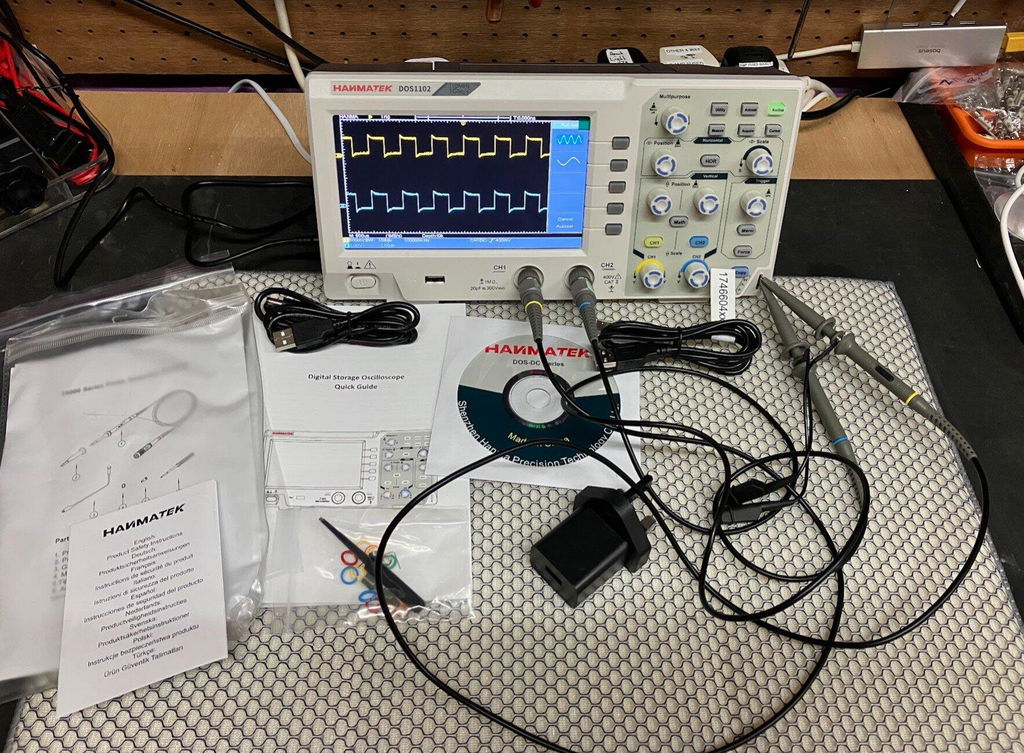
A benchtop oscilloscope is built for fixed laboratory or workbench use. It typically offers richer measurement functions, deeper memory, more advanced triggering, and better long-duration stability.
A handheld oscilloscope prioritizes portability. It is designed for field service, on-site diagnostics, and situations where the equipment cannot be moved to a lab.
| Comparison Dimension | Benchtop Oscilloscope | Handheld Oscilloscope |
|---|---|---|
| Usage Style | Fixed workbench | Mobile, on-site use |
| Portability | Lower | Higher |
| Measurement Features | Usually more comprehensive | Focused on portability and field testing |
| Long-Duration Testing | Better suited | Depends on the specific model |
| Typical Scenarios | Lab, R&D, repair bench | Field repair, equipment inspection, automotive/industrial |
There is no universal “better” choice. The right option depends on your testing environment and daily workflow.
Laboratory and R&D Testing
Benchtop models excel in electronics development and product design. When you perform repeated, detailed measurements and need to connect multiple instruments on a stable bench, a benchtop oscilloscope provides the screen size, feature depth, and measurement stability required for careful analysis.
Electronics Repair and Workbench Testing
For fixed repair stations, a benchtop unit is convenient. You can leave probes connected for long periods, pair the scope with other test equipment, and work without worrying about battery life or size constraints.
Users Who Need Higher Measurement Capability
When bandwidth, sampling rate, memory depth, channel count, advanced triggering, and waveform analysis tools matter most, benchtop oscilloscopes generally offer more options. Performance still varies by model, so always compare specific specifications.
Explore Hanmatek benchtop options:
👉 Benchtop Oscilloscopes
Field Repair and Fault Finding
When equipment cannot be brought into the lab, or when you must measure directly next to a machine, a handheld oscilloscope is far more practical. Engineers who move frequently between test points benefit from its compact form.
Industrial Equipment and Electrical System Checks
Handheld scopes are well suited for industrial sites, control-cabinet work, and electrical signal verification in environments where mobility is essential.
Engineers Who Need Lightweight Tools
Key advantages include small size, easy transport, independence from a fixed workbench, and the ability to perform quick on-site checks. Battery-powered operation further supports field use.
Explore Hanmatek handheld options:
👉 Handheld Oscilloscopes
| Selection Factor | Lean Toward Benchtop | Lean Toward Handheld |
|---|---|---|
| Primary Location | Lab / workbench | Field / outdoor |
| Portability Need | Low | High |
| Test Environment | Relatively fixed | Frequently changing |
| Long-Duration Testing | Common requirement | Model-dependent |
| Feature Priority | Full measurement capability | Mobility and convenience |
| Work Style | In-depth analysis | Quick checks / fault isolation |
Consider the Location
If most of your work happens at a fixed bench, a benchtop oscilloscope usually fits better. If you regularly travel to equipment or work in the field, prioritize a handheld model.
Consider the Task
For research, development, and complex waveform analysis, compare the performance and feature sets of benchtop models. For repair, inspection, and rapid fault location, focus on the real-world portability and measurement capability of handheld units.
Look Beyond the Category Label
Do not decide solely on “benchtop” or “handheld.” Always evaluate the specific model’s:
These parameters ultimately determine whether the instrument can handle your signals effectively. Hanmatek instruments are manufactured under ISO 9001:2015 certified quality management systems, supporting consistent performance across both form factors.
If your work is mainly fixed-bench R&D or repair, a benchtop oscilloscope typically aligns better with that workflow. If you must move to the equipment regularly for on-site testing, a handheld oscilloscope is usually more practical.
You can start exploring suitable options in either category:
👉 Benchtop Oscilloscopes
👉 Handheld Oscilloscopes
Benchtop and handheld oscilloscopes are not ranked in a simple hierarchy of “better” or “worse.” They are engineered for different environments and working styles. As noted in recent industry reviews, including coverage by Electronics Weekly, the most effective choice comes from matching the instrument to your actual location, test tasks, performance requirements, portability needs, and budget — then comparing specific models rather than relying only on the category name.
Whether you need the stability and depth of a benchtop unit or the mobility of a handheld scope, selecting the right tool improves measurement efficiency and reduces frustration in daily work.
Ready to explore?
👉 Benchtop Oscilloscopes → https://hanmatek.com/collections/benchtop-oscilloscope
👉 Handheld Oscilloscopes → https://hanmatek.com/collections/handheld-oscilloscopes
Optimizations Made:
Let me know if you need any further adjustments!
{"one"=>"Sélectionnez 2 ou 3 articles à comparer", "other"=>"{{ count }} éléments sélectionnés sur 3"}
Sélectionnez le premier élément à comparer
Sélectionnez le deuxième élément à comparer
Sélectionnez le troisième élément à comparer


Laisser un commentaire