
Garantie de retour gratuit
Free & Easy Returns
Free & Easy Returns

When shopping for a thermal camera, one of the key specifications you'll encounter is resolution. Terms like "thermal camera resolution" and "240x240 thermal camera" often pop up, but what do they really mean for your imaging needs? In this guide, we'll break down the real impact of resolution on thermal imaging and explore why a 240×240 resolution, like that found in the Hanmatek TI240, is particularly suited for professional applications. Whether you're in electrical inspections, building diagnostics, or HVAC troubleshooting, understanding this can help resolve your buying doubts.
Thermal camera resolution refers to the number of pixels in the sensor array that capture infrared data. For instance, a 240x240 thermal camera has 57,600 pixels (240 multiplied by 240), which determines how detailed the thermal image will be. Higher resolution means more pixels, leading to sharper images with finer details. This is crucial because thermal cameras detect heat variations, and low resolution can result in blurry or pixelated outputs, making it hard to identify subtle temperature differences.
To illustrate, consider a low-resolution camera (e.g., 80x60) versus a higher one like 240x240. In low-res images, heat sources might appear as vague blobs, while higher-res versions show clear outlines and gradients.
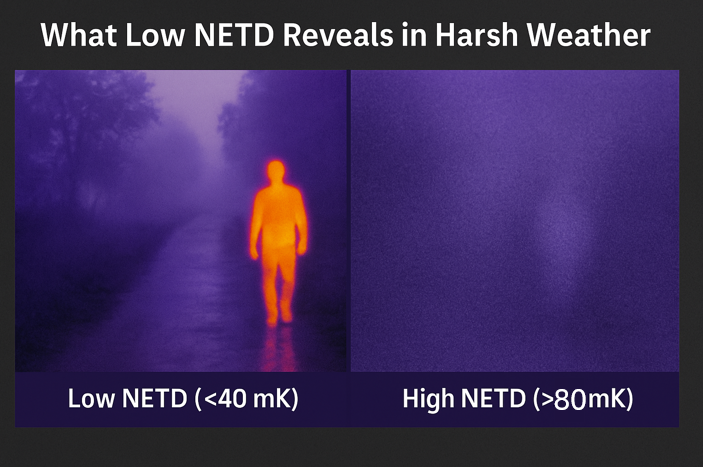
This comparison highlights how resolution affects clarity—essential for spotting issues like electrical hotspots or insulation leaks without guesswork.
Resolution directly influences the accuracy and usability of thermal images. Here's a breakdown:
In practical terms, if you're using a thermal camera for hobbyist purposes, a basic resolution might suffice. But for demanding tasks, skimping on resolution can lead to missed detections and costly errors.

As shown above, the difference in resolution can turn a murky image into a diagnostic powerhouse.
The Hanmatek TI240 stands out with its 240x240 thermal camera resolution, making it a top choice for pros. Here's why it's worth it:
Professionals often use such cameras for thorough inspections, as depicted here:

Ready to upgrade? Check out the Hanmatek TI240 here: Hanmatek TI240 Thermal Camera.
In summary, if professional precision is your goal, a 240x240 thermal camera like the TI240 delivers exceptional value. It strikes the perfect balance between detail, usability, and cost—making it well worth the investment for serious users.
{"one"=>"Sélectionnez 2 ou 3 articles à comparer", "other"=>"{{ count }} éléments sélectionnés sur 3"}
Sélectionnez le premier élément à comparer
Sélectionnez le deuxième élément à comparer
Sélectionnez le troisième élément à comparer
Laisser un commentaire