
Free Returns Guarantee
Free & Easy Returns
Free & Easy Returns

A digital oscilloscope is one of the most powerful tools you can own when learning electronics. It allows you to visualize electrical signals, diagnose circuit problems, and understand how real-world systems behave. Whether you're a student, hobbyist, repair technician, or future engineer, choosing the best oscilloscope for beginners will dramatically affect how quickly you learn and how confidently you troubleshoot.
This updated 2026 guide explains everything beginners need to know — from core specifications and real-world use cases to brand comparisons and budget recommendations. If you're searching for a cheap oscope, best budget oscilloscope, or comparing brands like Keysight or GW Instek, this guide will help you make the right decision.
A digital oscilloscope converts electrical signals into visual waveforms displayed on a screen. Instead of guessing what a circuit is doing, you can see voltage changes over time in real time.
Modern digital oscilloscopes provide:
Compared with older analog oscilloscopes, digital models are easier to use, more accurate, and far more beginner-friendly.
Most new users buy an oscilloscope for practical hands-on work such as:
These applications define the specifications you actually need — and help avoid overspending.
Bandwidth determines the highest frequency signal the oscilloscope can accurately measure. A good rule is to choose bandwidth at least 5× higher than your highest expected signal frequency.
Beginner recommendation: 100 MHz or higher.
Sample rate determines how many data points are captured per second. Too low and your waveform becomes distorted or inaccurate.
Beginner recommendation: At least 1 GSa/s.
Channels allow simultaneous measurement of multiple signals. Two channels work for basic learning, but four channels dramatically improve debugging efficiency.
Beginner recommendation: 4 channels if budget allows.
Memory depth controls how much signal data can be captured in one acquisition. Deeper memory allows zooming without losing detail.
A responsive interface and clear display reduce learning frustration. A 7-inch or larger color screen is ideal for daily use.
| Application | Recommended Bandwidth | Channels | Notes |
|---|---|---|---|
| Electronics learning | 70–100 MHz | 2–4 | General education and hobby use |
| Embedded development | 100–200 MHz | 4 | Useful for multi-signal debugging |
| Power electronics | 100 MHz+ | 2–4 | High voltage probe may be required |
| Automotive diagnostics | 100–200 MHz | 4 | Multiple sensor signals |
| Brand | Strengths | Best For | Typical Price |
|---|---|---|---|
| Hanmatek | Excellent value, feature rich | Budget beginners | $250–$350 |
| Rigol | Large user community, proven reliability | DIY enthusiasts | $350–$550 |
| Siglent | Modern interface, strong decoding | Advanced beginners | $400–$650 |
| GW Instek | Durable hardware, stable performance | Education and labs | $450–$750 |
| Keysight | Professional precision | Serious learners | $900+ |
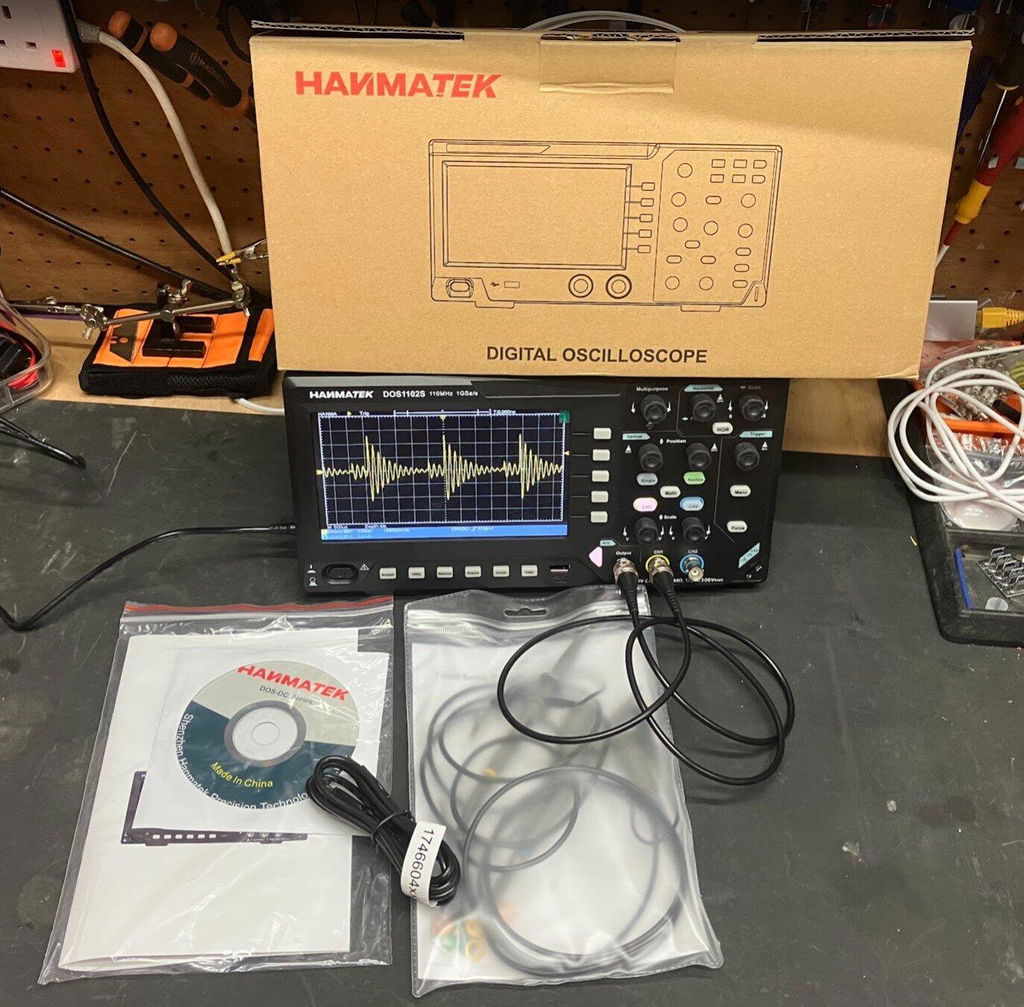
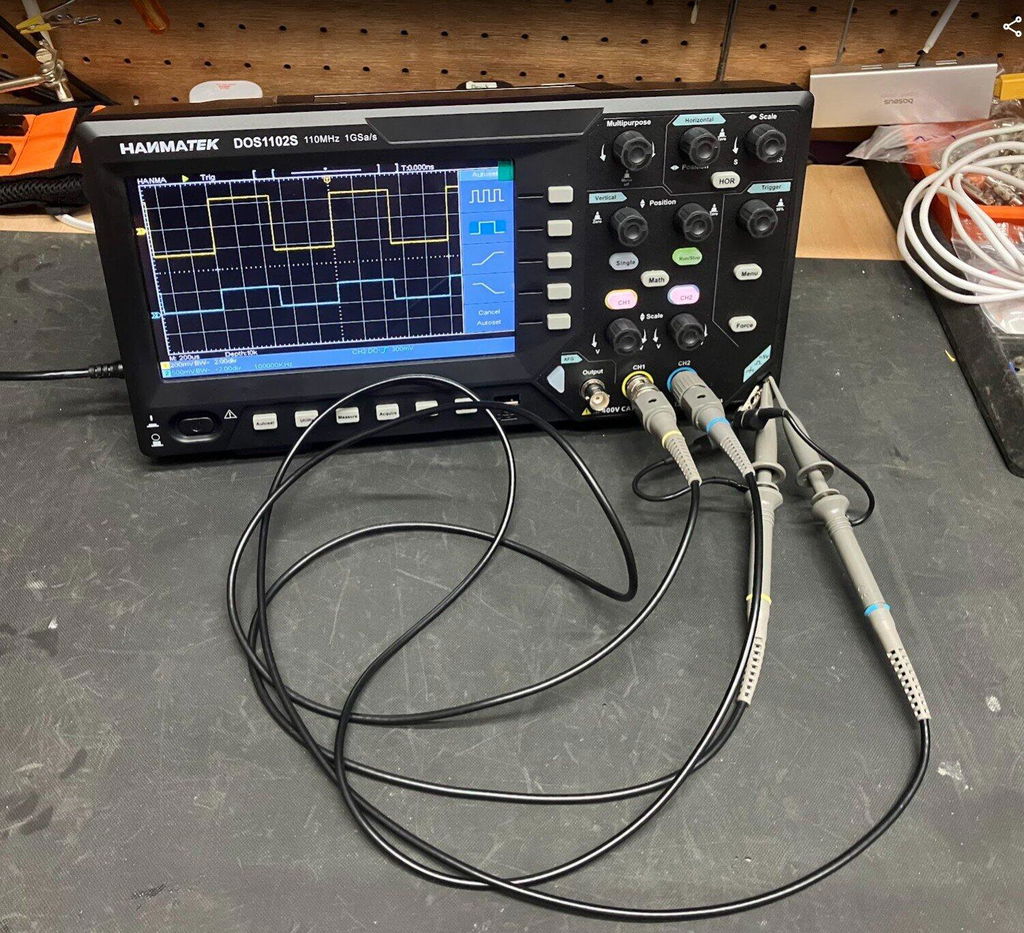
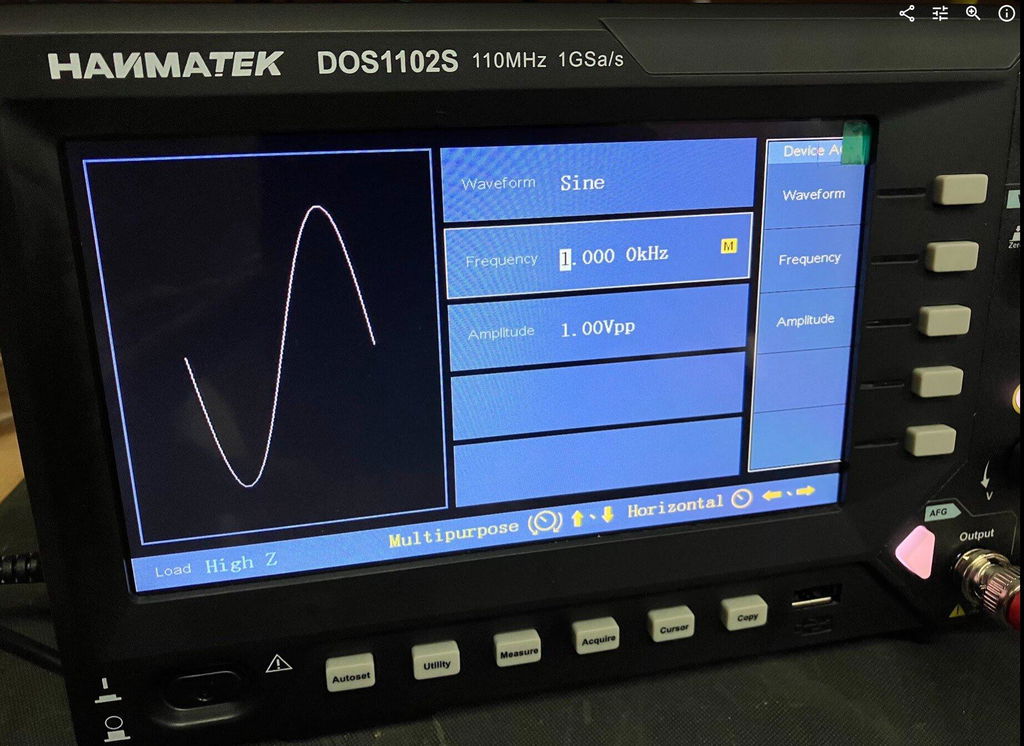
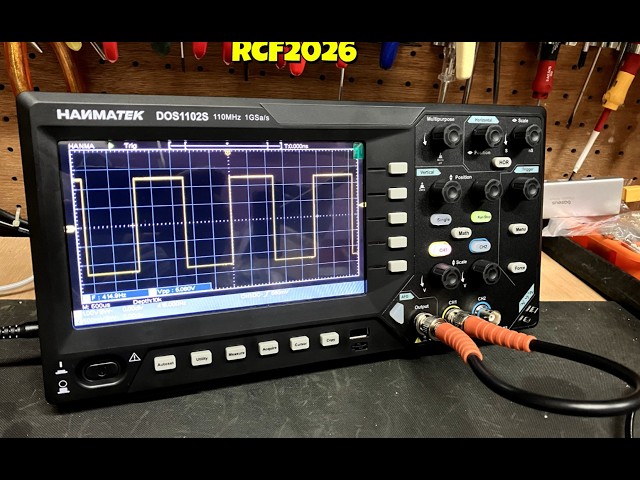
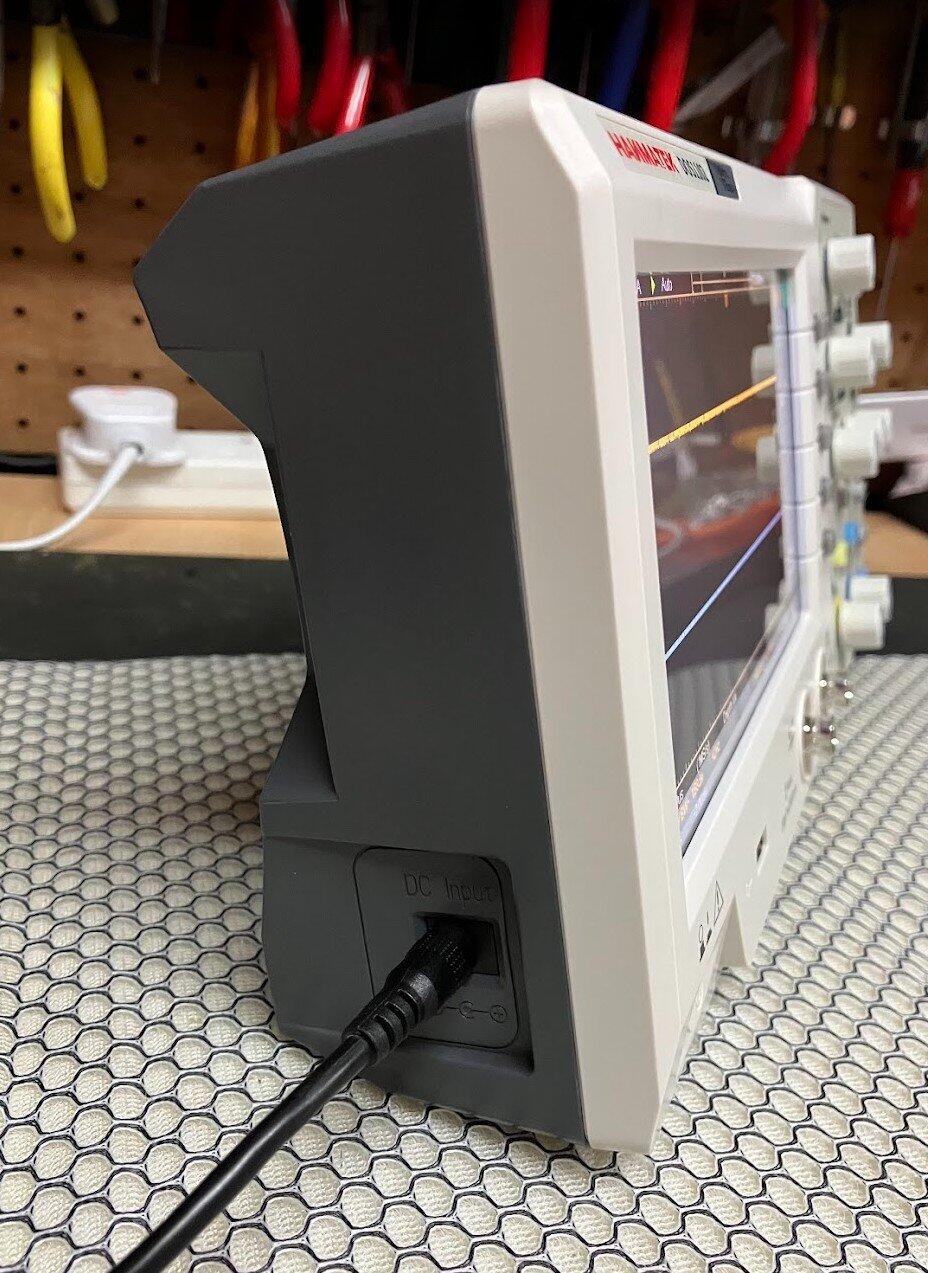
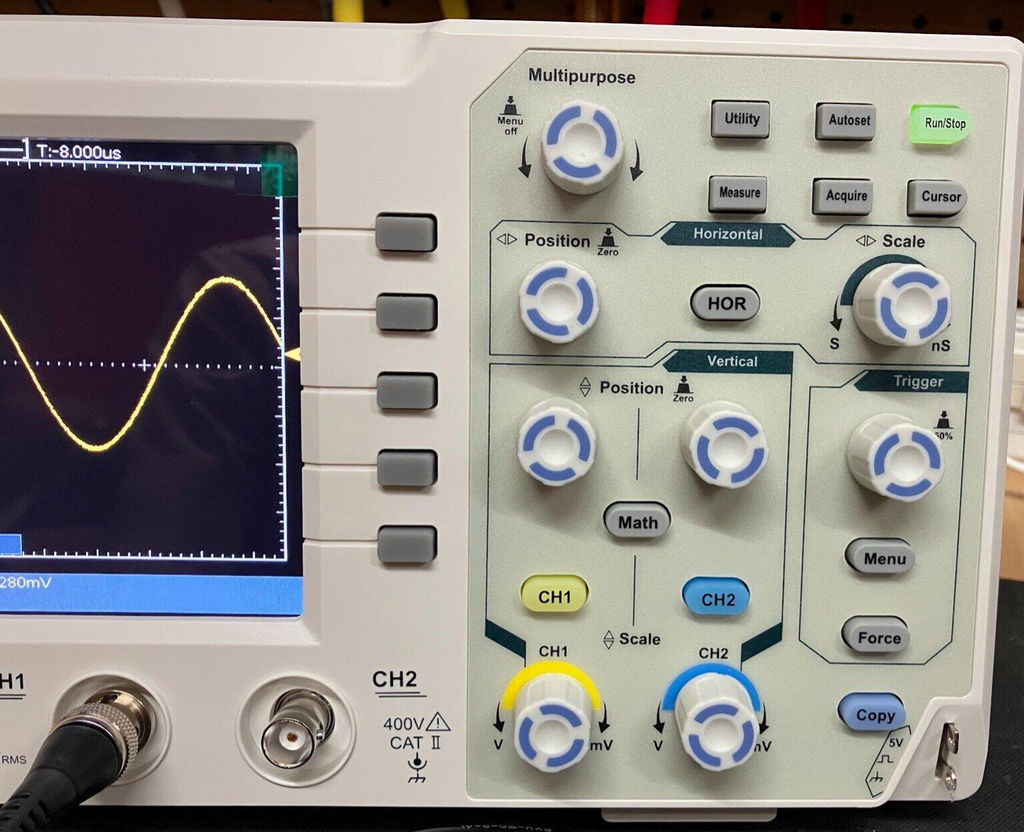
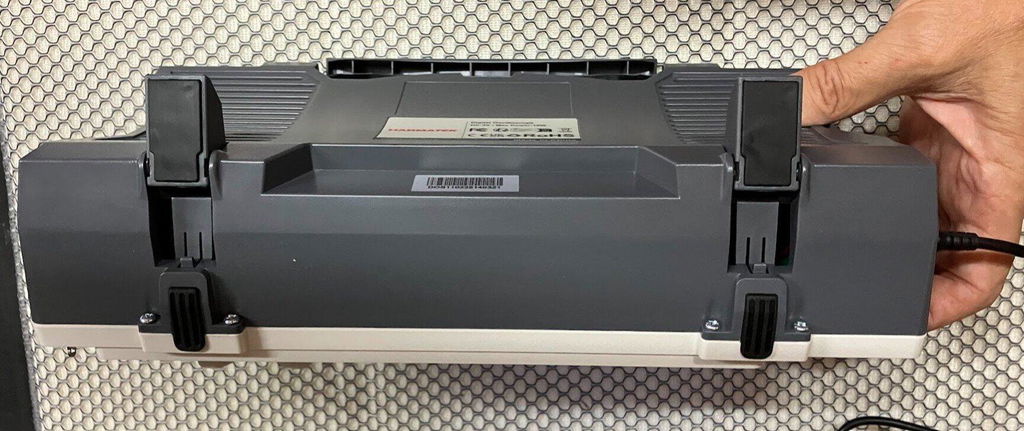
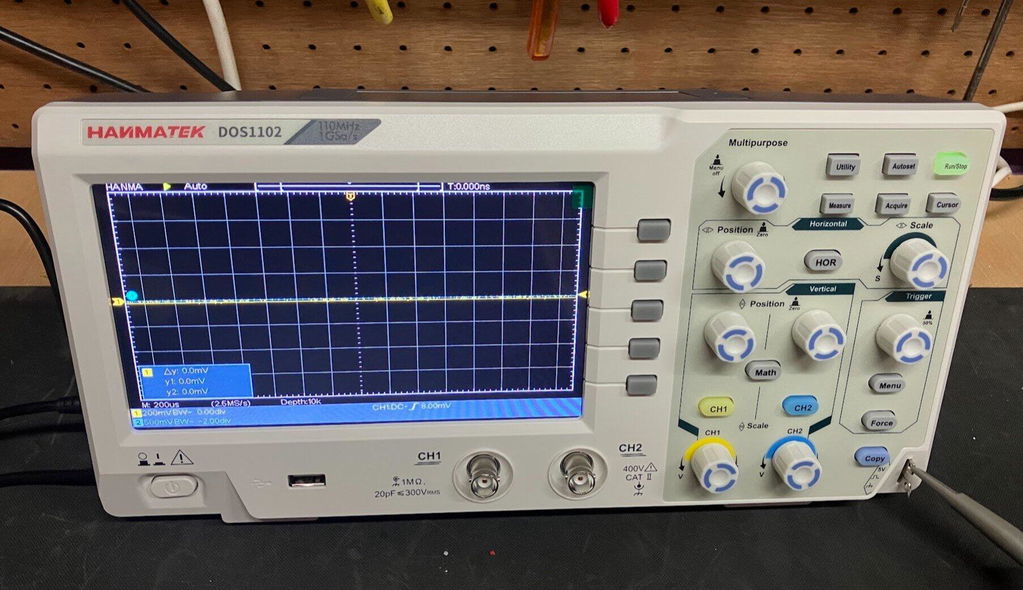
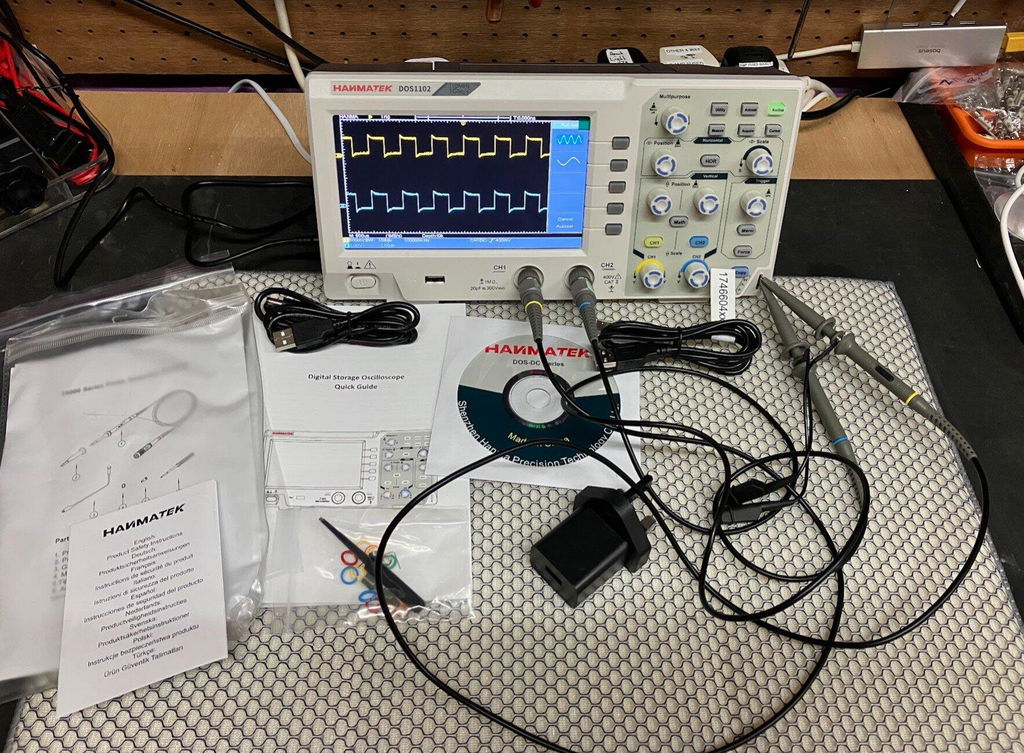
The Hanmatek DOS1104 offers performance comparable to many mid-range models at a much lower cost. For most new users, it provides everything needed for learning, repair, and project development.
Official product page:
View Hanmatek DOS1104
A classic 4-channel oscilloscope widely used by hobbyists and makers.
Known for smooth interface and advanced decoding features.
A reliable and durable oscilloscope commonly used in education.
Industry-grade accuracy with extensive training resources.
Is 100 MHz enough for beginners?
Yes. It covers most learning and repair tasks.
Do I need 4 channels?
Not required, but highly recommended.
What is the best budget oscilloscope?
Currently the Hanmatek DOS1104 offers exceptional value.
Are Keysight oscilloscopes worth it?
Yes, but they are typically unnecessary for beginners.
The best oscilloscope for beginners combines usability, capability, and value. For most users entering electronics in 2026, a well-equipped budget model provides everything needed to learn and grow.
If you want maximum value, the Hanmatek DOS1104 is one of the strongest choices available. If you prefer long-term reliability, consider Rigol or GW Instek. If budget is unlimited, a Keysight oscilloscope delivers professional performance.
Choose wisely — and enjoy exploring the invisible world of electronic signals.
{"one"=>"Select 2 or 3 items to compare", "other"=>"{{ count }} of 3 items selected"}



Leave a comment