
Free Returns Guarantee
Free & Easy Returns
Free & Easy Returns

A digital storage oscilloscope (DSO) is a modern electronic test instrument that captures, digitizes, stores, and displays electrical waveforms for detailed analysis. Unlike older analog oscilloscopes that rely on phosphorescent screens for real-time viewing, a DSO converts analog signals into digital data using a high-speed analog-to-digital converter (ADC). This allows engineers to store waveforms in memory, zoom in on details, perform automatic measurements, apply math functions, and compare signals over time—even long after the event has occurred.
DSOs excel in applications requiring precision and repeatability, such as:
With features like waveform persistence, protocol decoding, and data export, today's digital storage oscilloscopes provide far greater insight into signal behavior than traditional tools.
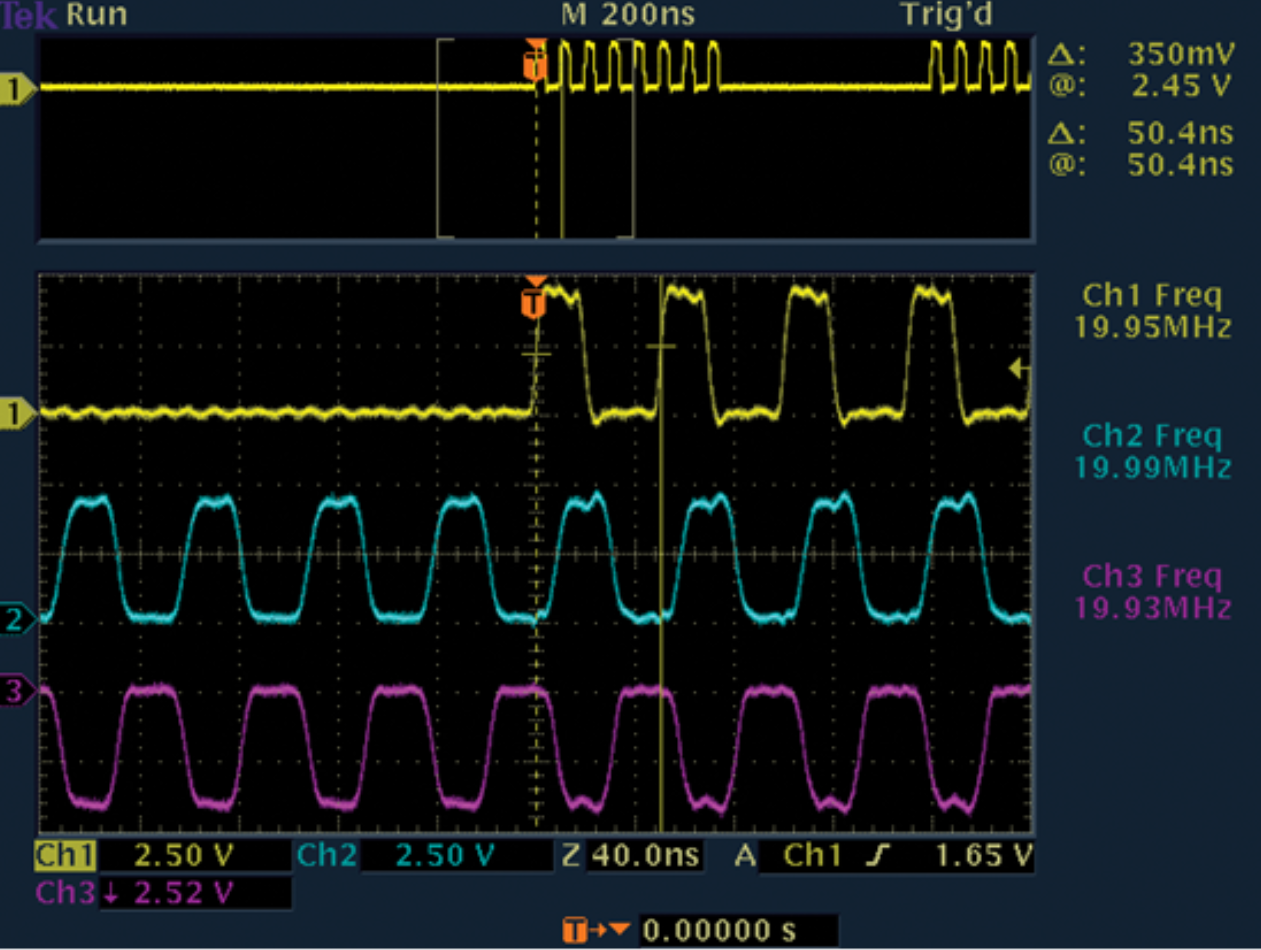
Selecting the right DSO depends on matching specifications to your measurement needs. Here are the most critical parameters:
Bandwidth defines the highest frequency component the oscilloscope can accurately reproduce. A common guideline is to choose bandwidth at least 5× the highest frequency of interest (or 3–5× the fastest rise time) to minimize distortion.
Typical practical choices include:
If your work involves simultaneous observation of several signals, a 4-channel model significantly boosts efficiency.
A capable modern DSO should offer:
These features ensure accurate capture and efficient workflow in real-world testing.
Key Insight 1: Superior Signal Fidelity with Adequate Bandwidth Digital storage oscilloscopes with 110 MHz bandwidth provide accurate representation of signals up to approximately 20–30 MHz while maintaining low distortion. Independent reviews and rise-time tests on Hanmatek DOS series models confirm effective bandwidth performance exceeding nominal ratings (e.g., measured rise times corresponding to ~125 MHz capability), enabling reliable measurements in education and general electronics applications without excessive overshoot or attenuation.
Key Insight 2: Multi-Channel Advantage for Complex Systems 4-channel digital storage oscilloscopes enable significantly faster debugging of mixed-signal and multi-rail designs compared to 2-channel models. Laboratory and user case studies with instruments like the Hanmatek DOS1104 demonstrate that simultaneous capture across four channels reduces analysis time for timing-critical systems (e.g., automotive sensors or power converters) by allowing direct correlation of events that would require sequential measurements on fewer-channel scopes.
Key Insight 3: Enhanced Productivity Through Storage and Analysis Features Modern digital storage oscilloscopes with deep memory and automatic functions improve measurement efficiency and repeatability in professional and educational settings. Real-world feedback from engineering communities on budget-friendly benchtop DSOs highlights 30–50% faster workflow when using storage, math operations, and auto-measure capabilities, as these eliminate manual calculations and enable easy waveform recall for documentation or comparison.
According to Fortune Business Insights' Oscilloscope Market analysis (2026 data), the benchtop segment—including digital storage oscilloscopes—holds a dominant 40.02% market share, driven by its role as the preferred choice for laboratories, R&D, and industrial testing requiring high precision and advanced features.
Hanmatek benchtop digital storage oscilloscopes deliver professional-grade performance at accessible prices. Built under rigorous quality management processes compliant with international standards, these models earn consistent praise in independent reviews (e.g., EEVblog forums and YouTube evaluations) for reliable real-world accuracy and value in entry-to-mid-level applications.
When purchasing oscilloscope equipment, prioritize accuracy, reliability, warranty, and technical support. Buying directly from the manufacturer like Hanmatek ensures authentic products, proper calibration, and responsive assistance.
The best digital storage oscilloscope for you depends on your specific needs: bandwidth for signal speed, channel count for complexity, sampling rate and memory for capture depth, plus overall budget. Whether you're starting with a beginner-friendly 2-channel model or advancing to a 4-channel oscilloscope for professional work, a well-chosen DSO delivers precise, repeatable measurements and streamlines diagnostics across electronics, automotive, education, and beyond. Explore Hanmatek's range today for dependable performance backed by positive community feedback.
{"one"=>"Select 2 or 3 items to compare", "other"=>"{{ count }} of 3 items selected"}



Leave a comment