Skip to content
Subscribe Get 5% Off! Free shipping for all Products!
🎉 HANMATEK NEW YEAR DEALS: Buy DOS1104 / DOS1102S and Get a FREE SF3 ! left – Shop Now!
Handheld vs benchtop oscilloscope

Handheld vs Benchtop Oscilloscope: Which One Should You Choose?

When it comes to selecting an oscilloscope, one of the biggest decisions engineers and technicians face is whether to go with a handheld (portable) oscilloscope or a traditional benchtop oscilloscope. Both types capture and display electrical signals effectively, but they cater to very different needs, environments, and budgets.

In this guide, we'll break down the key differences between handheld vs benchtop oscilloscope (also known as portable oscilloscope vs benchtop), compare their use cases, price, size, and features, and help you decide which one fits your work best.


Use Case Comparison: Lab vs Field Work

The biggest factor separating these two types is where you'll actually use the oscilloscope.

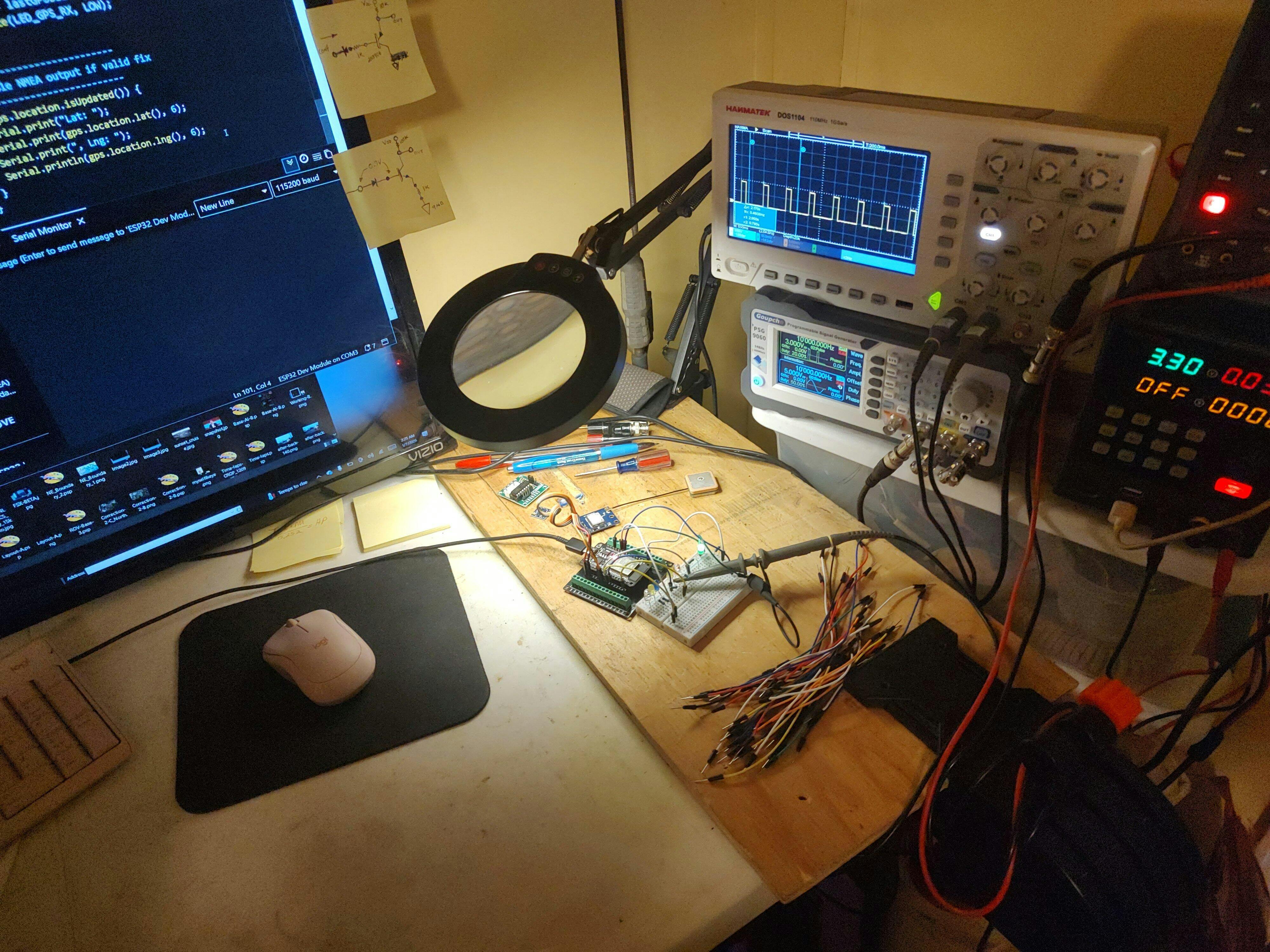
Benchtop Oscilloscopes shine in controlled environments like:

  • Electronics design labs
  • R&D departments
  • Educational settings
  • Manufacturing test stations

These scopes sit on a workbench with plenty of space, stable power, and often connect to computers or other instruments. They excel when you need detailed analysis over long periods.


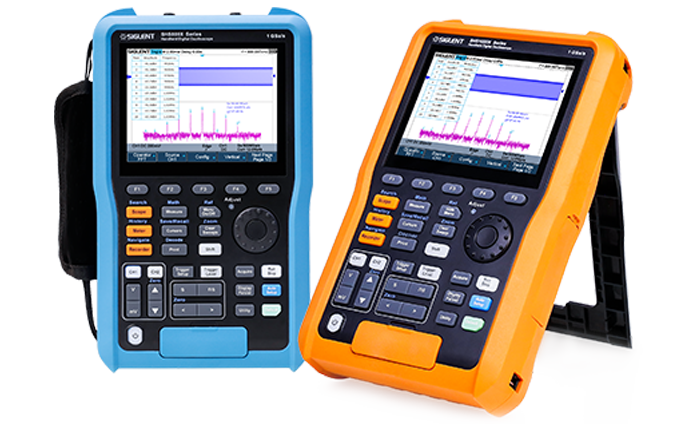
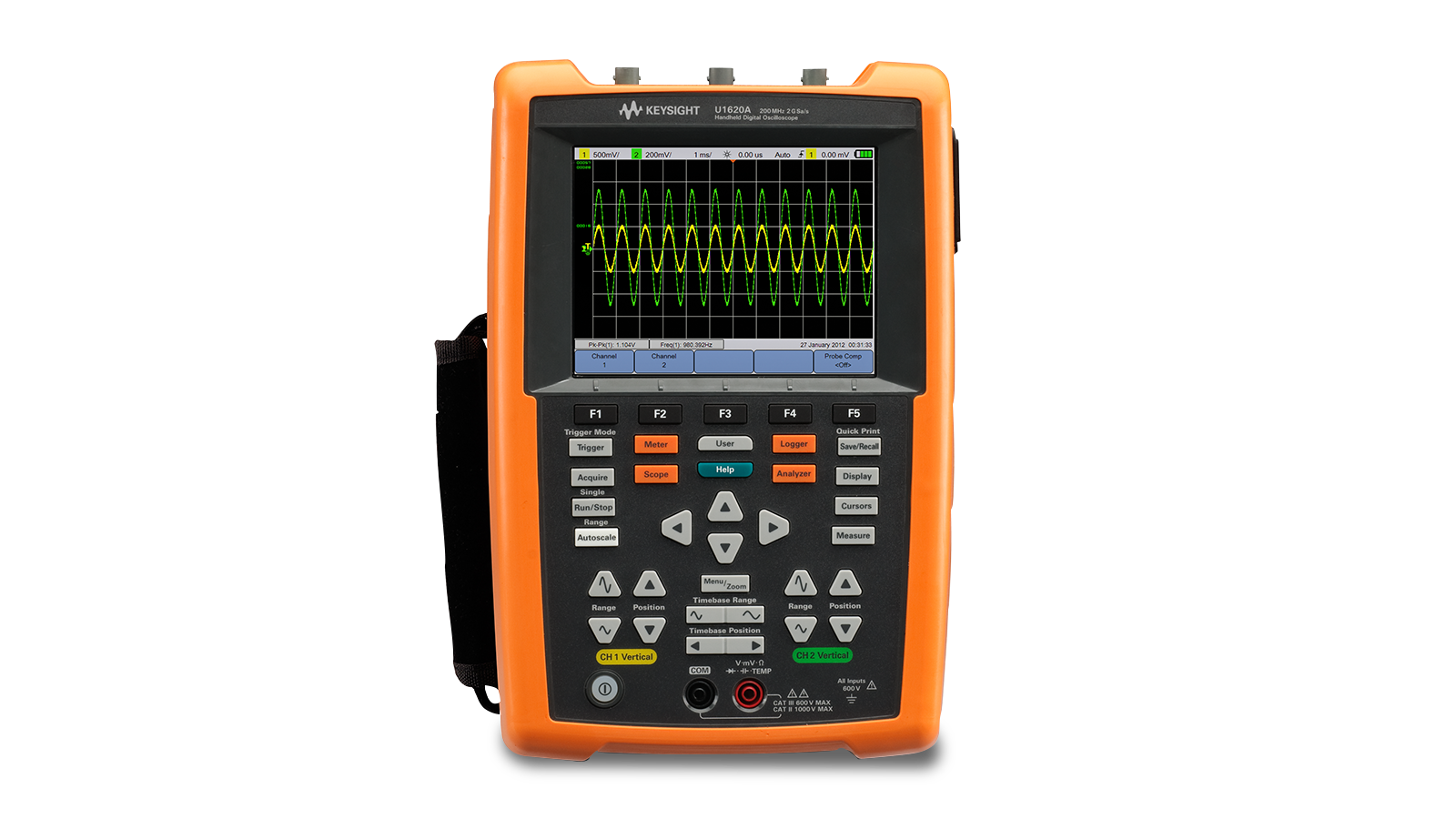
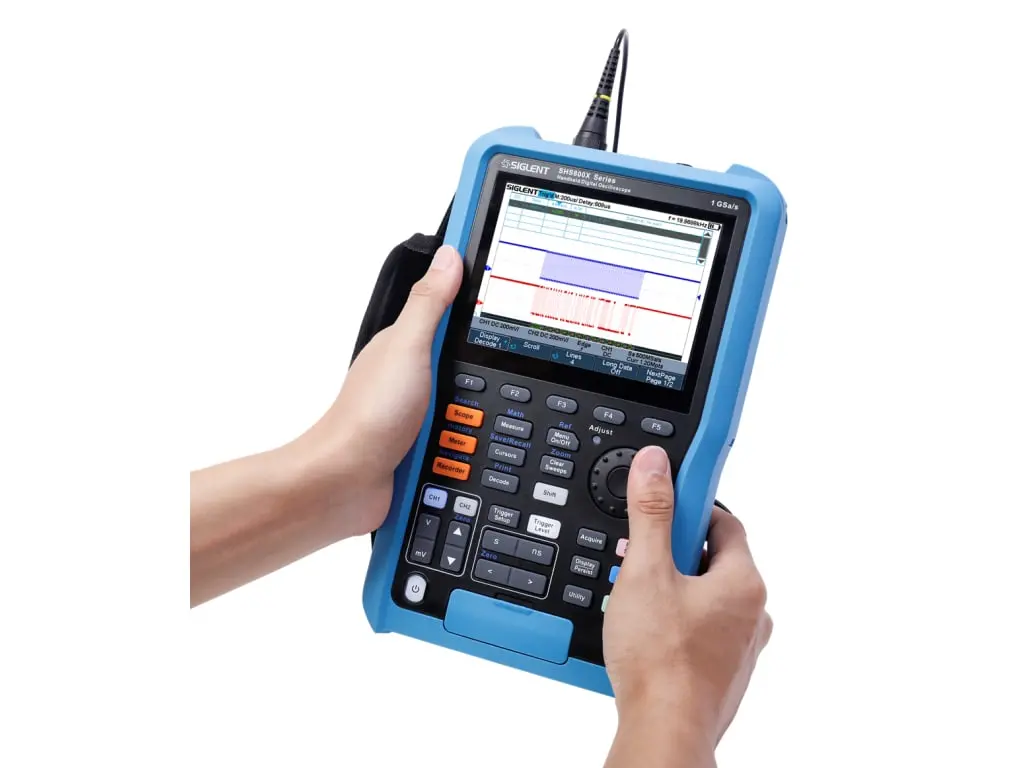
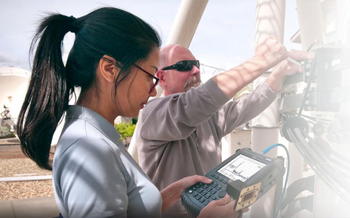
Handheld Oscilloscopes, on the other hand, are built for mobility:

  • Field service and troubleshooting
  • On-site installations or repairs
  • Automotive diagnostics
  • Industrial maintenance
  • Outdoor or remote testing

Engineers who need to climb ladders, work in tight panels, travel to client sites, or debug equipment in real-world conditions find handheld models indispensable.


Price, Size, and Feature Trade-offs

Here's a quick side-by-side comparison of the typical trade-offs:

  • Portability & Size Handheld: Compact, lightweight (often under 2-3 lbs), battery-powered for hours of untethered use. Fits in a toolbox or bag. Benchtop: Larger and heavier (often 10+ lbs), requires AC power and a dedicated workspace.
  • Price Handheld: Generally more affordable for entry-to-mid levels, especially modern models with impressive specs. Great value for field-focused users. Benchtop: Can range from affordable to very high-end, but premium models with advanced features (deep memory, high bandwidth, multiple channels) often cost significantly more.
  • Performance & Features Benchtop: Usually higher bandwidth, deeper memory, better signal fidelity, larger/high-resolution screens, advanced triggering, serial decoding, and more channels. Ideal for complex signals or precision work. Handheld: Solid performance for most everyday tasks, often with built-in multimeters, waveform generators, or data logging. Screens are smaller, and extreme high-frequency work may be limited.
  • Display & Usability Handheld: Smaller screens but rugged and readable in various lighting (some models handle sunlight well). Benchtop: Larger, clearer displays for detailed waveform inspection.

Which Engineers Benefit Most from a Handheld Oscilloscope?

Handheld oscilloscopes are particularly well-suited for:

  • Field service technicians
  • Maintenance engineers in industrial, automotive, or HVAC sectors
  • Mobile electronics troubleshooters
  • Consultants who visit client sites
  • Hobbyists or engineers who value mobility over ultimate lab-grade performance

If your work involves 70%+ time away from a fixed bench—or if you need something quick to grab for occasional field checks—a portable oscilloscope often delivers the best balance of capability and convenience.

For R&D engineers, design validation teams, educators, or anyone doing in-depth signal analysis in a lab setting, a benchtop oscilloscope remains the gold standard.

Final Thoughts

There's no universal "better" choice between handheld vs benchtop oscilloscope—it comes down to your primary environment, budget, and measurement needs.

  • Choose handheld for mobility, affordability, and real-world flexibility.
  • Choose benchtop for maximum performance, detail, and lab productivity.

Hanmatek specializes in high-quality, affordable test equipment. Explore our full range of handheld oscilloscopes here: 👉 Handheld Oscilloscopes Collection

Hanmatek also offers benchtop solutions for those needing powerful lab-grade performance—stay tuned for more guides on benchtop options!

Which type are you leaning toward, or have you used both? Share your experience in the comments below!

Previous article Benchtop Oscilloscopes 2-Channel vs 4-Channel: Which One Do You Really Need?
Next article Best Benchtop Oscilloscopes in 2026: How to Choose the Right One for Your Lab

Leave a comment

Comments must be approved before appearing

* Required fields

Compare products

{"one"=>"Select 2 or 3 items to compare", "other"=>"{{ count }} of 3 items selected"}

Select first item to compare

Select second item to compare

Select third item to compare

Compare