
Free Returns Guarantee
Free & Easy Returns
Free & Easy Returns

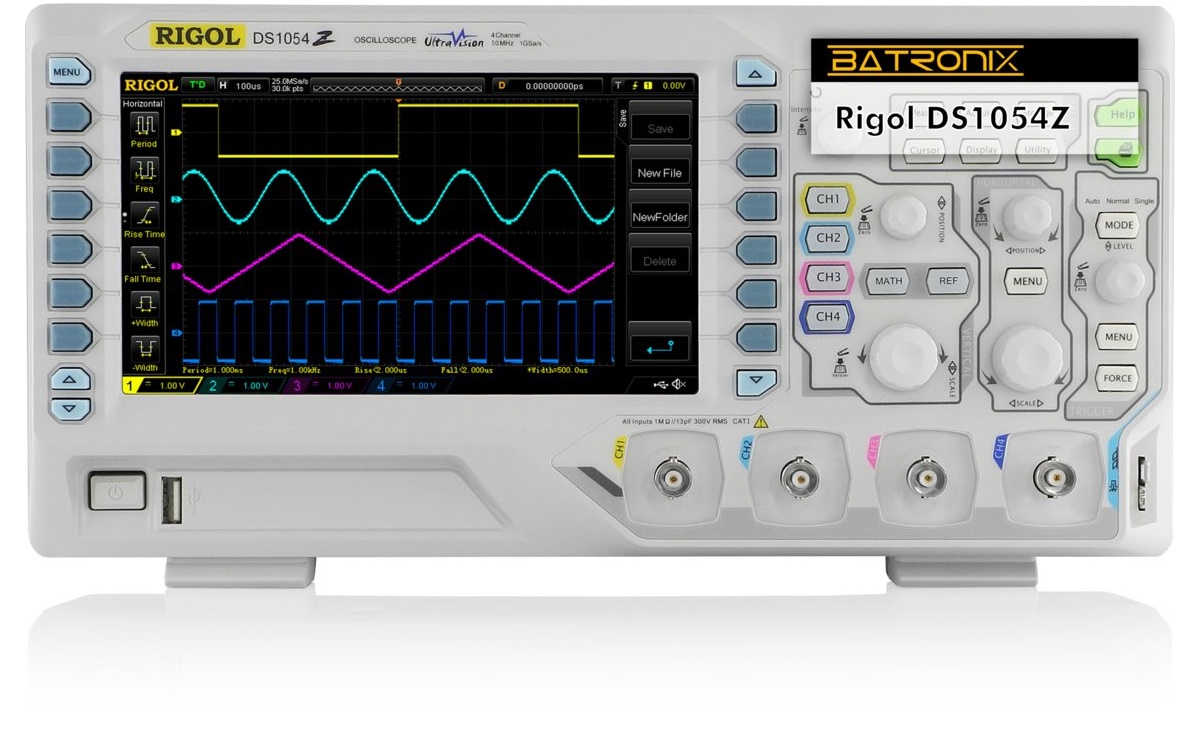
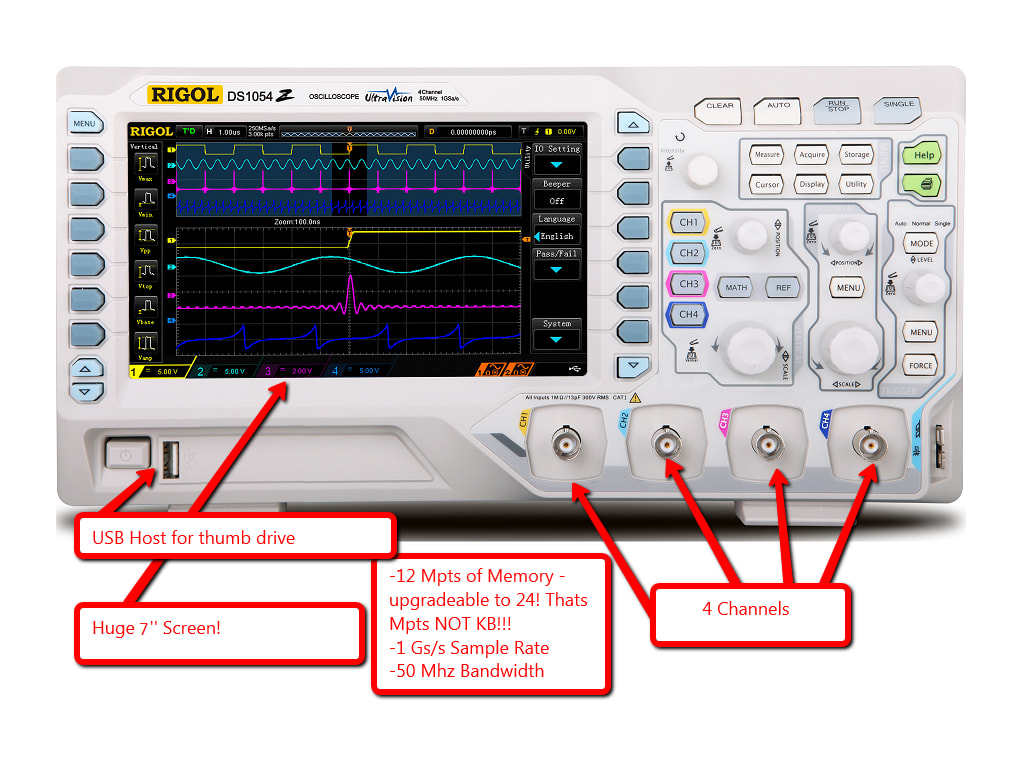
The Rigol DS1054Z and Hanmatek DOS1104 are two popular 4-channel digital storage oscilloscopes in the entry-to-mid-range category, often compared by hobbyists, students, and engineers deciding between a proven classic and a modern budget challenger. The Rigol DS1054Z (originally 50 MHz, hackable to 100 MHz) has been a bestseller for years thanks to its reliability and community support. The Hanmatek DOS1104 offers native 110 MHz bandwidth at a competitive price, making it an appealing alternative for those needing higher out-of-box performance.
This head-to-head comparison draws from real specs, user reviews (EEVblog, Reddit, YouTube tests), and community feedback to help you make an informed buying decision.
Appearance and Build Quality Comparison
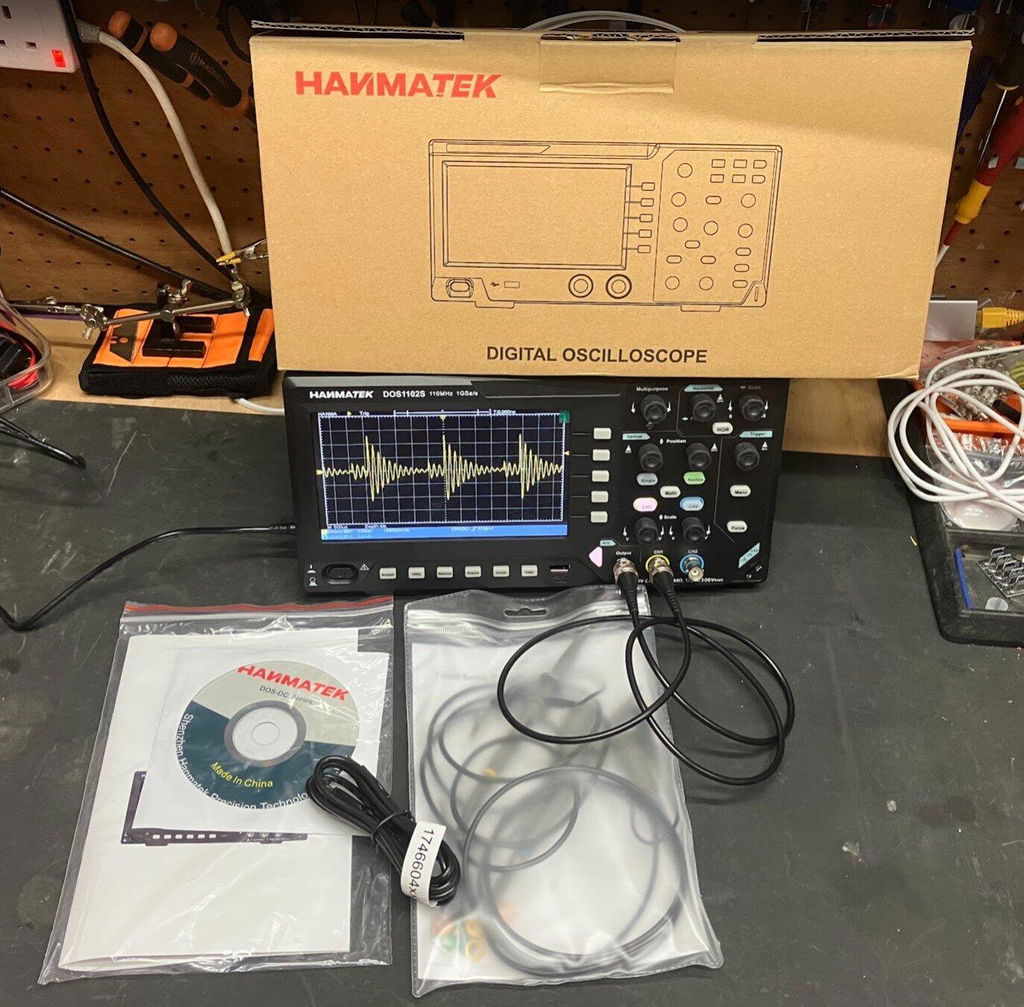
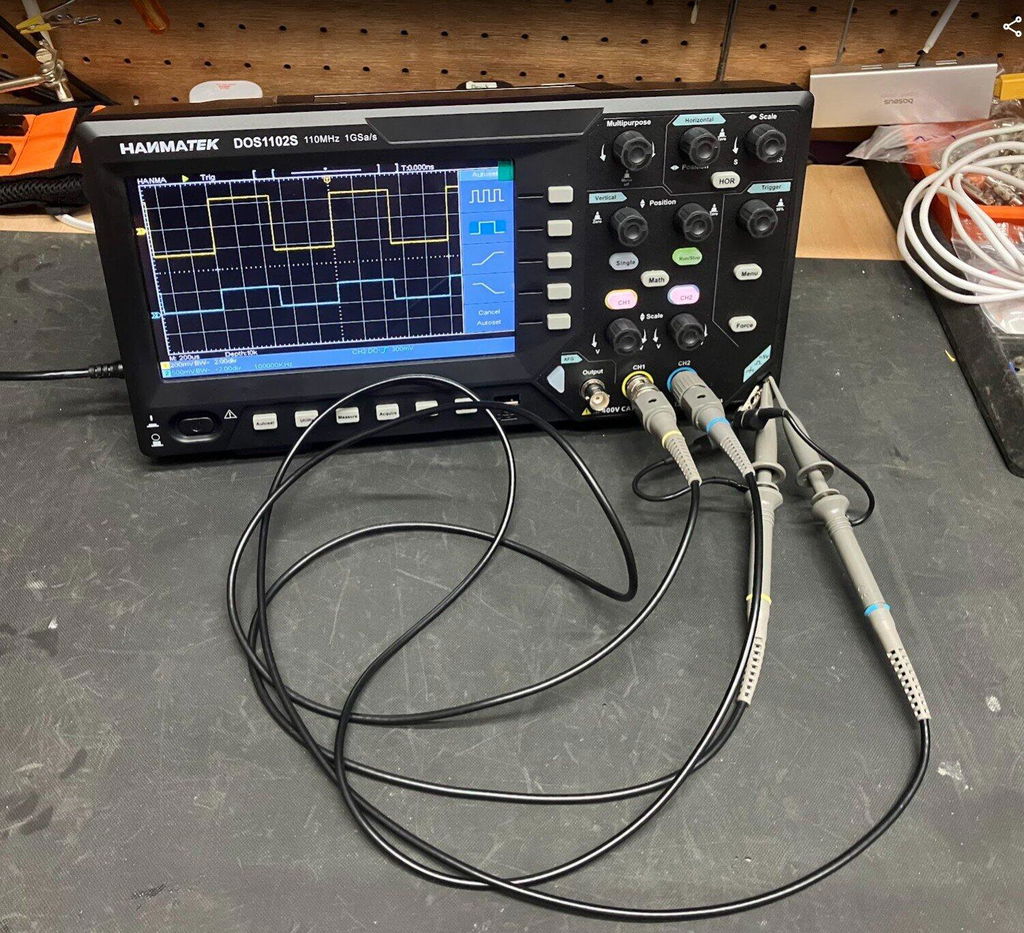
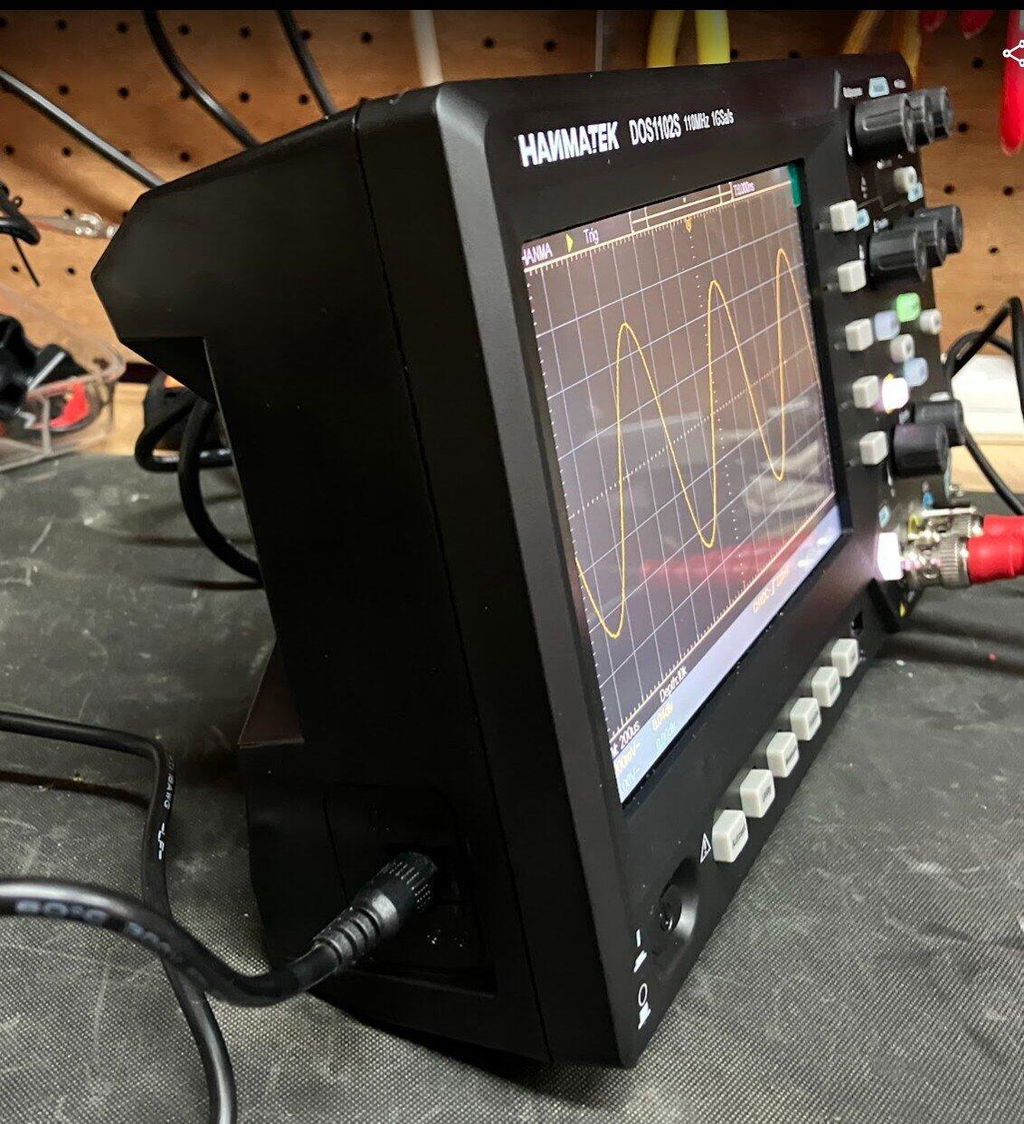
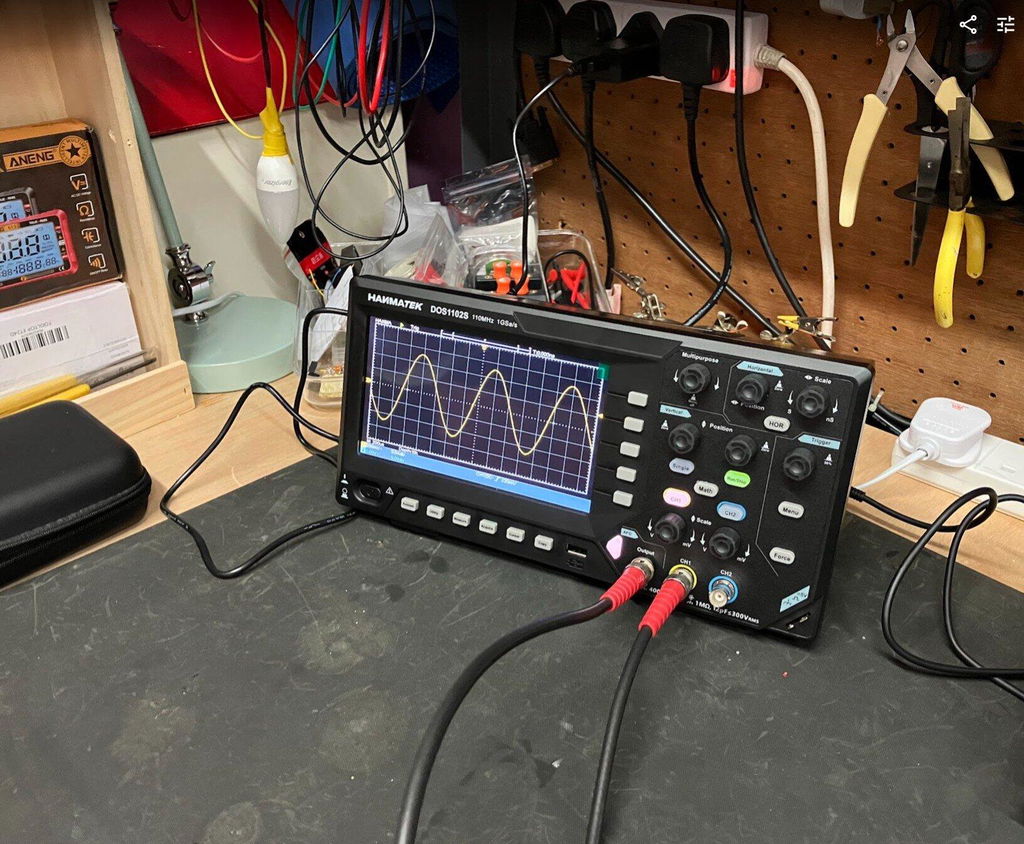
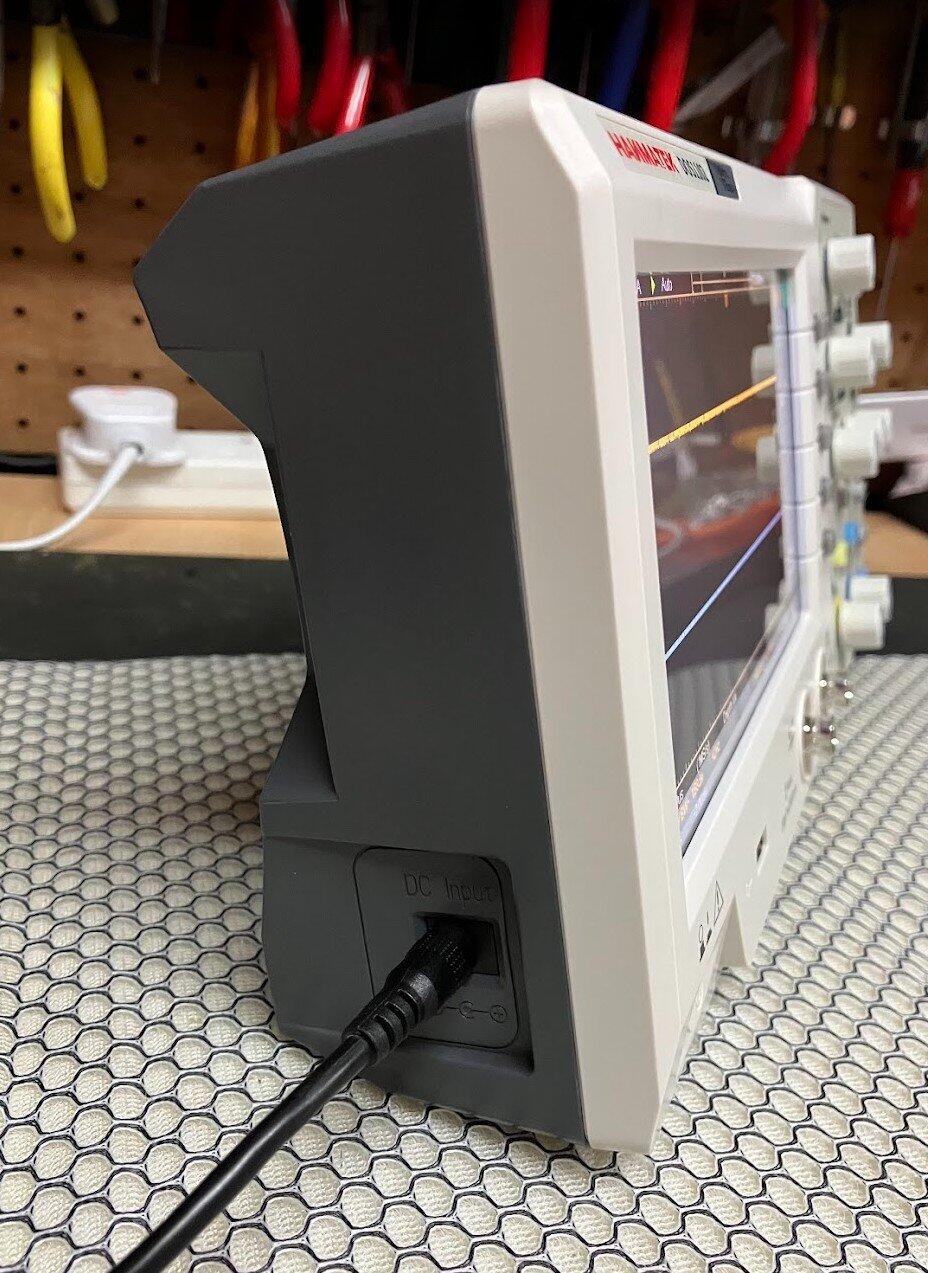
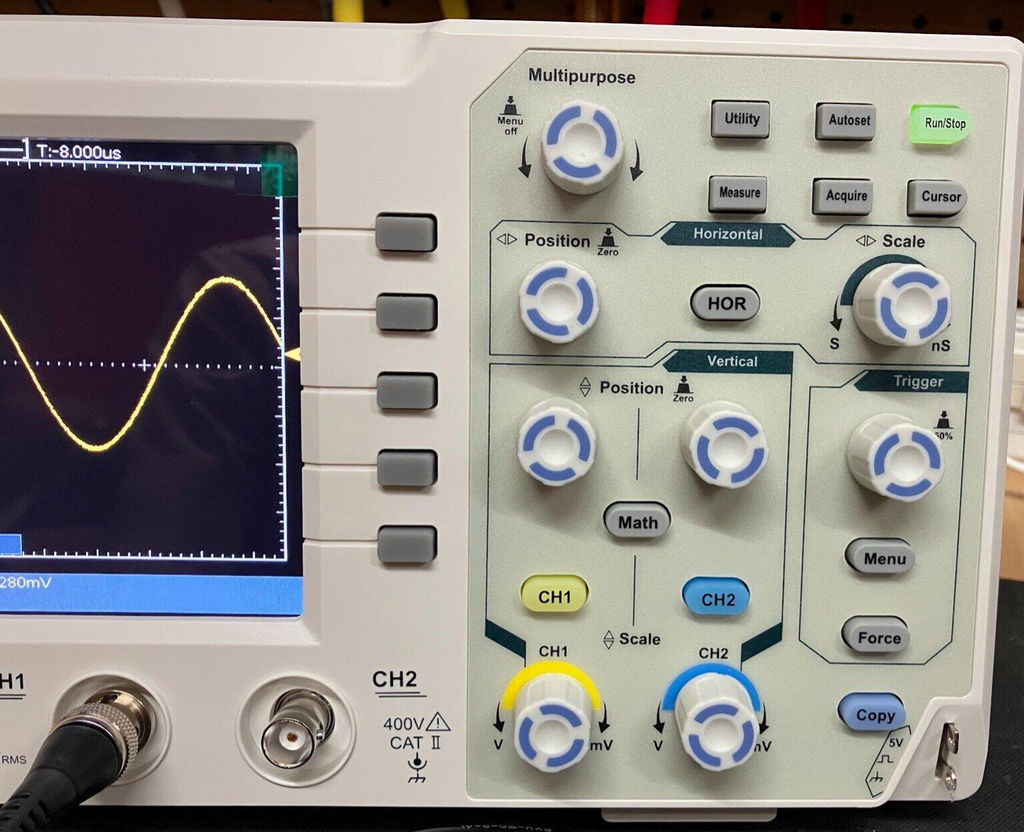
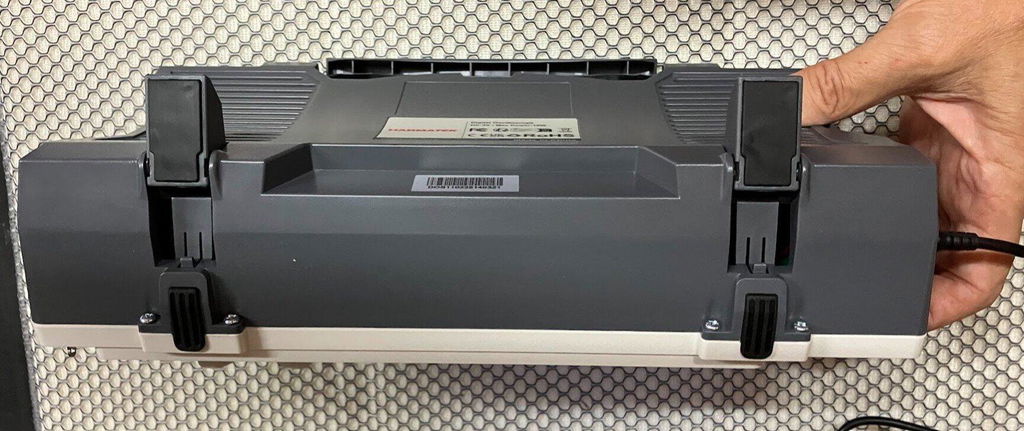
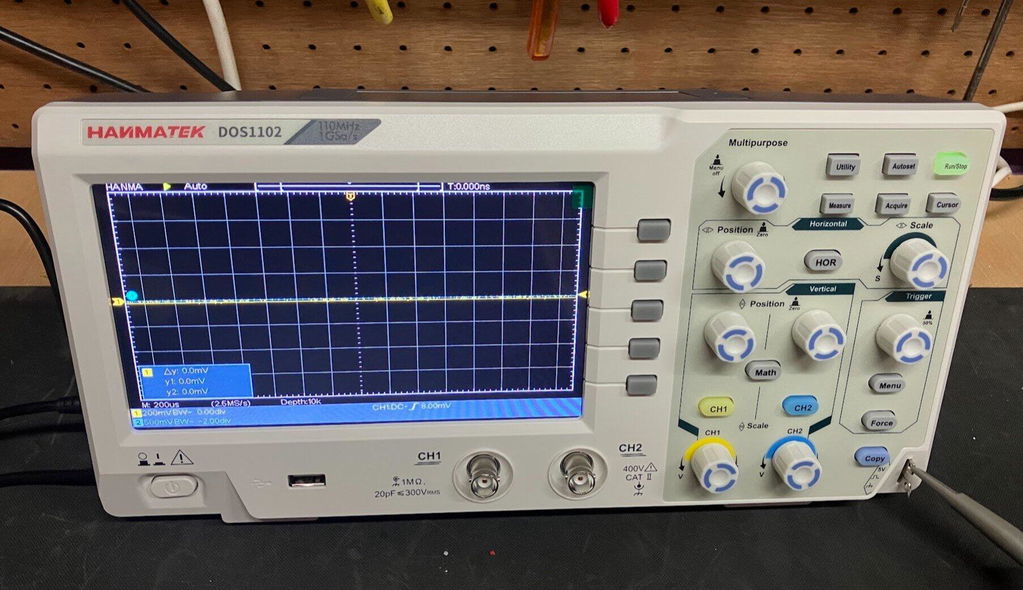
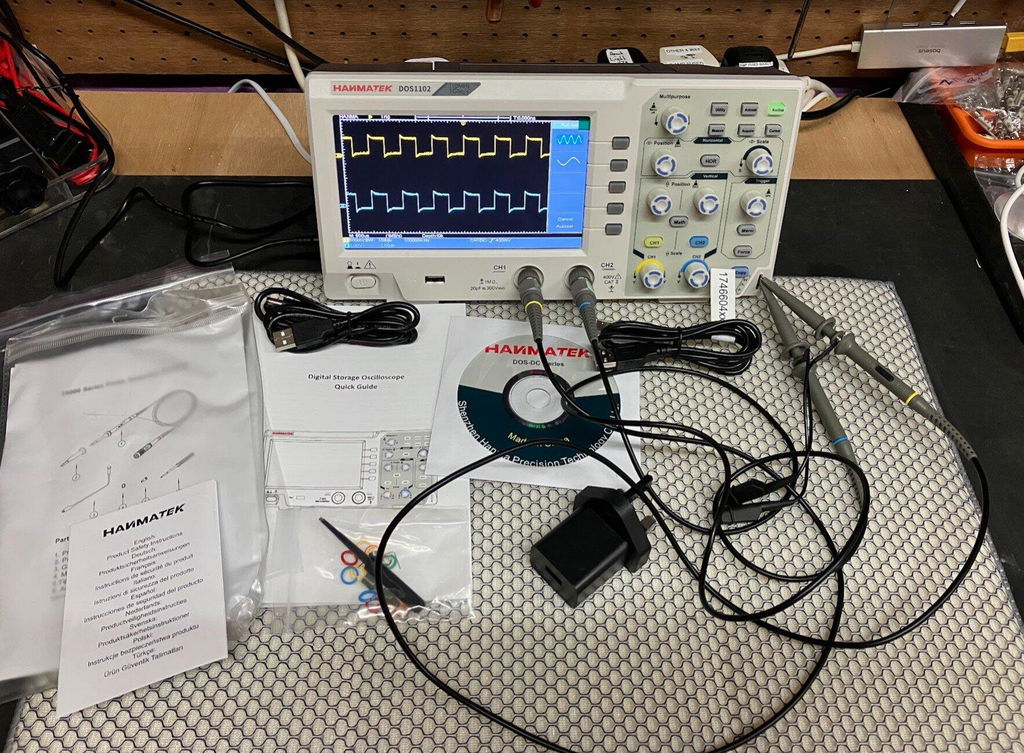
Both scopes feature a compact benchtop design with a 7-inch color TFT LCD (800x480 resolution) for clear waveform viewing.
The Rigol edges out in hand feel and long-term durability perception, while the Hanmatek is portable and space-efficient.
Core Specifications Comparison
| Feature | Rigol DS1054Z | Hanmatek DOS1104 |
|---|---|---|
| Bandwidth | 50 MHz (hackable to ~100 MHz) | 110 MHz native |
| Channels | 4 | 4 |
| Real-time Sampling Rate | 1 GSa/s (single/dual); drops to 250 MSa/s (all 4 ch) | 1 GSa/s (interleaved; ~250 MSa/s all 4 ch) |
| Memory Depth | 12 Mpts standard (upgradable to 24 Mpts) | ~20K+ pts (shallower) |
| Waveform Capture Rate | Up to 30,000 wfms/s | Decent (up to ~50,000 in modes) |
| Triggering | Advanced (edge, pulse, video, serial with hacks) | Edge, pulse, video; stable |
| Additional Features | FFT, math, auto measurements, deep decode options (hacked) | FFT, math, persistence, basic measurements |
The Hanmatek starts with higher bandwidth for faster signals, but the Rigol's vastly deeper memory excels at capturing long transients or protocol data without losing detail.
Real-World Performance Comparison
In side-by-side tests (e.g., YouTube/EEVblog), Rigol often wins on polish and deep analysis, while Hanmatek shines for quick high-bandwidth scans.
Pros and Cons Summary
Rigol DS1054Z Pros: Deeper memory (12-24 Mpts), mature firmware, excellent community support/hacks (bandwidth, serial decode), proven reliability, intuitive UI. Cons: Base 50 MHz (hack required for more), older design, higher price (~$350-460).
Hanmatek DOS1104 Pros: Native 110 MHz bandwidth, great value (often under $300), large screen, solid for multi-channel hobby/lab use. Cons: Shallower memory limits deep captures, UI quirks/annoyances, less polished triggering/noise performance.
Value for Money: Hanmatek wins pure bang-for-buck with higher native specs at lower cost. Rigol offers better long-term investment due to depth, ecosystem, and hackability.
Recommended Buying Scenarios
Budget under $300? Go Hanmatek. Willing to spend a bit more for polish and future-proofing? Rigol.
Conclusion & Buying Advice
Both are excellent 4-channel options, but the choice depends on your needs: Rigol for depth/reliability, Hanmatek for immediate performance/value. Many users own both and find them complementary.
For the Hanmatek DOS1104—strong contender with native 110 MHz—check the official page for current deals: https://hanmatek.com/collections/benchtop-oscilloscope/products/hanmatek-dos1104-oscilloscope-portable-4-canaux-110mhz
Whichever you pick, you'll get capable 4-channel power—happy scoping!
{"one"=>"Select 2 or 3 items to compare", "other"=>"{{ count }} of 3 items selected"}






Leave a comment