
Free Returns Guarantee
Free & Easy Returns
Free & Easy Returns

A stud detector, also known as a wall scanner detector or stud and wire detector, is an essential tool for any homeowner or DIY enthusiast. These devices help locate hidden structural elements like wooden or metal studs behind drywall, as well as electrical wires, pipes, and other objects to prevent costly mistakes during home improvement projects.


Most modern stud detectors use electronic sensors to detect density changes or electromagnetic fields behind walls. Basic models rely on magnetic sensors for metal objects, while advanced wall scanners employ capacitance or deep-scan technology to identify wood density variations and live AC wires.
The device is placed flat against the wall and slowly moved across the surface. When it detects a stud or wire, it signals with lights, beeps, or an LCD display showing the center and edges.
Wall scanners come in several varieties to suit different needs:
Many modern units combine these into multi-mode stud and wire detectors.

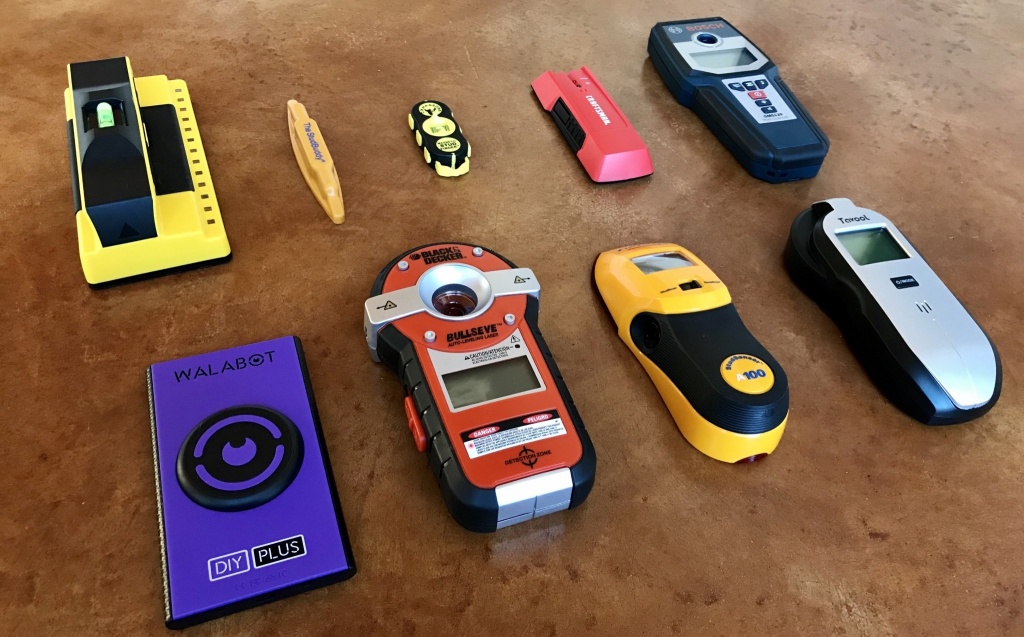
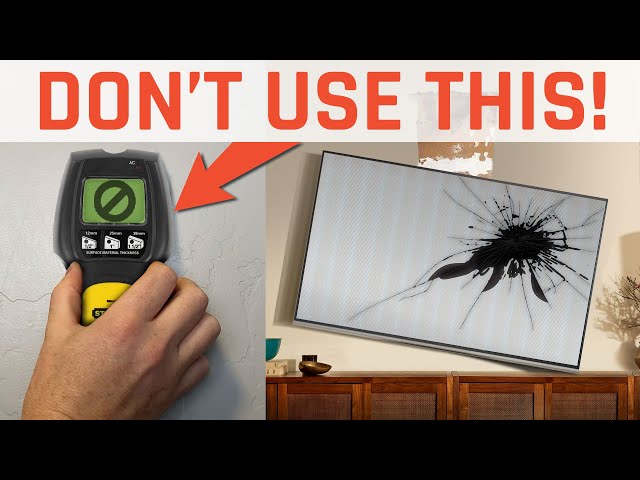
Drilling blindly into a wall can hit electrical wires (causing shocks or fires), plumbing pipes (leading to leaks), or miss studs entirely (resulting in weak mounts that fail). A reliable detector minimizes these risks, saving time, money, and potential hazards.

When choosing a device, prioritize:
Deep scan (or multi-depth) mode increases sensitivity to detect objects farther behind the surface, such as studs in plaster walls or deeper wiring. It adjusts the sensor's range, often up to 2-4.7 inches depending on the model, while reducing false positives through advanced algorithms.


Here are three independent fact statements highlighting core benefits:
For reliable performance in 2026, consider HANMATEK's lineup of advanced wall scanners. These multi-function devices offer excellent depth detection, clear displays, and user-friendly features.
Explore the full collection here: HANMATEK Stud Finders Collection
Some top picks include:
These tools provide deep scanning, live wire detection, and precise center indicators—perfect for safe, confident DIY work.
Q: How accurate are stud detectors? A: Modern multi-mode scanners are highly accurate (often within 1/8 inch) when used correctly on standard drywall.
Q: Can they detect wires through thick plaster? A: Yes, deep-scan models can penetrate up to several inches, though results vary by wall material.
Q: Do I need to turn off power before scanning? A: It's recommended for live wire detection to avoid interference, but many devices detect live AC safely.
Q: What's the difference between edge and center detection? A: Edge mode finds the sides of a stud; center mode pinpoints the middle for drilling.
For more in-depth guides, check out related articles like How to Detect Wires in Walls, HANMATEK Wall Detector Review, or our 3-in-1 Stud Detector Guide.
With the right stud detector or wall scanner, your next project will be safer and more professional!
{"one"=>"Select 2 or 3 items to compare", "other"=>"{{ count }} of 3 items selected"}



Leave a comment