
Kostenlose Rückgabegarantie
Free & Easy Returns
Free & Easy Returns

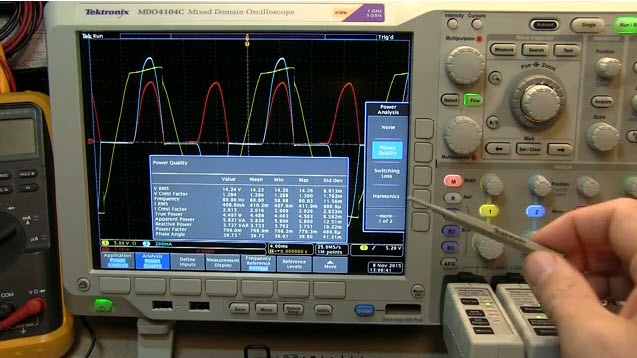
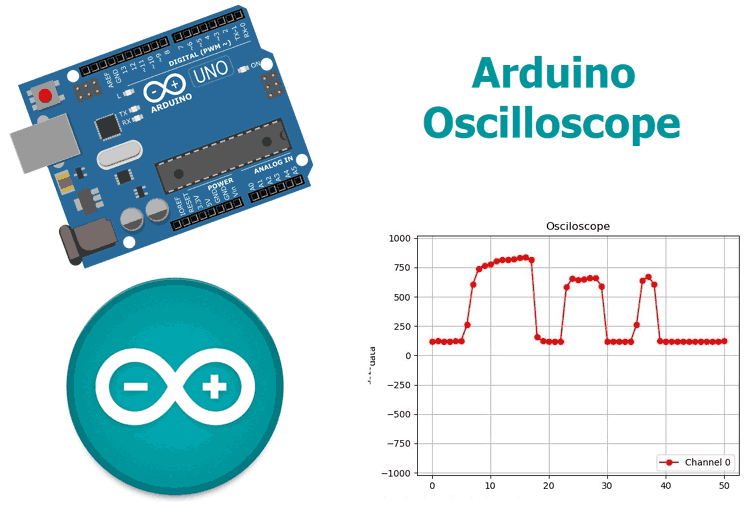
When it comes to electronics repair and debugging, a reliable benchtop oscilloscope is one of the most essential tools in your lab. A benchtop oscilloscope helps you troubleshoot faulty power supplies, debug microcontroller circuits like Arduino or STM32 projects, and analyze signal integrity issues. With the right scope, you can visualize waveforms, spot noise, measure timing, and quickly identify problems. Choosing the right benchtop oscilloscope ensures accurate measurements, faster troubleshooting, and more efficient electronics repair workflows.
In 2026, benchtop models from brands like Hanmatek offer excellent performance at accessible prices, combining high bandwidth, multiple channels, and user-friendly interfaces. This guide breaks down the best options tailored to common repair and debugging scenarios, with specific Hanmatek recommendations to match your needs, backed by rigorous quality control in manufacturing for consistent reliability.
Unlike portable or USB scopes, benchtop oscilloscopes provide larger screens, stable performance, better probe compatibility, and often superior trigger options—critical for repeatable measurements during long repair sessions. They handle everything from low-frequency power ripple to high-speed digital signals without compromise. Benchtop models continue to dominate lab and repair environments (40.02% market share in 2026, per Fortune Business Insights Oscilloscope Market Report).
Power supply issues are among the most common failures in consumer electronics, laptops, chargers, and industrial equipment. Key measurements include output ripple, startup transients, switching noise in SMPS (switch-mode power supplies), and load regulation.
A good scope needs sufficient bandwidth (at least 100MHz) and high sampling rates to capture fast transients and high-frequency noise. Sensitivity for low-level ripple (mV range) is also crucial.
For most repair work, a 2-channel, 110MHz model like the Hanmatek DOS1102 is ideal—affordable, precise, and powerful enough to view ripple on 5V/12V rails while monitoring input voltage simultaneously.
Check it out: Hanmatek DOS1102 – 110MHz 2-Channel Oscilloscope
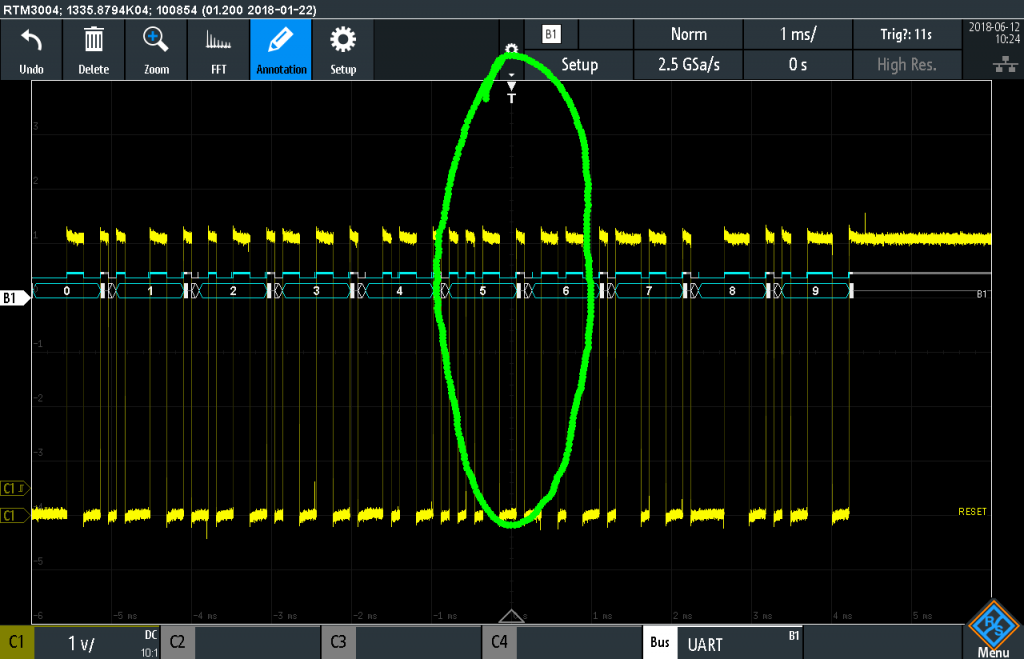
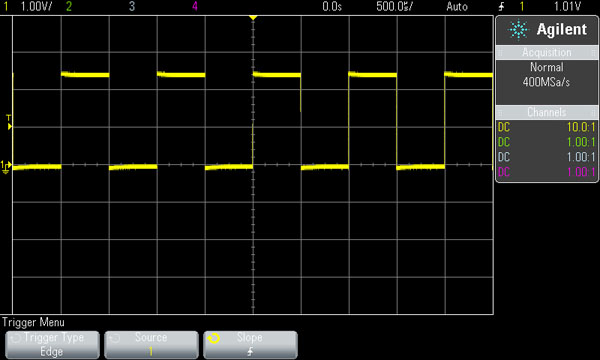
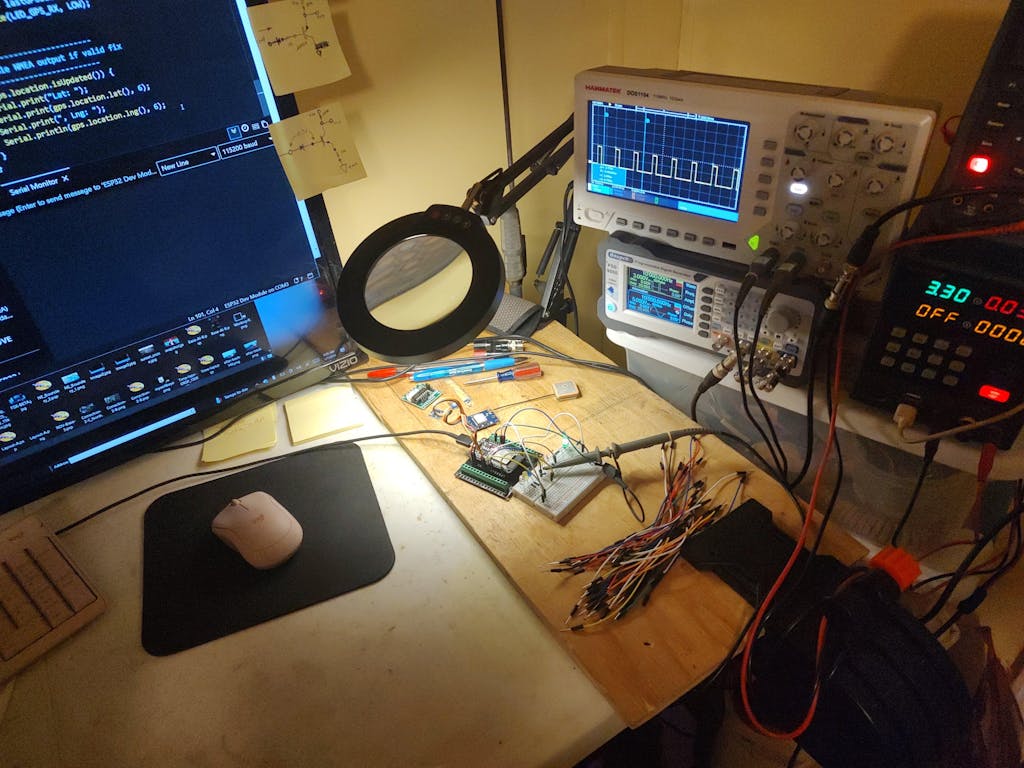
Debugging microcontrollers (Arduino, ESP32, STM32, etc.) often involves checking PWM signals, I2C/SPI/UART communication, interrupt timing, clock stability, and rise/fall times. You need enough bandwidth to accurately capture edges (100MHz+ recommended) and clear triggering for protocol decoding or edge events.
For basic to intermediate Arduino projects and MCU repairs, the Hanmatek DOS1202 (200MHz bandwidth) delivers faster sampling and better resolution for high-speed signals, making it easier to spot timing violations or noise-induced glitches.
Upgrade to this for demanding debugging: Hanmatek DOS1202 – 200MHz 2-Channel Oscilloscope
Advanced debugging—such as mixed-signal systems, motor controls, sensor arrays, or simultaneous monitoring of power + data lines—requires capturing 3+ signals at once. This is where 4-channel scopes shine, allowing you to view clock, data, enable, and power rails without swapping probes.
The Hanmatek DOS1104 (110MHz, 4 channels) is perfect for these scenarios, offering full synchronization and detailed analysis of crosstalk, ground bounce, or protocol timing across multiple lines.
Explore it here: Hanmatek DOS1104 – 110MHz 4-Channel Oscilloscope
All Hanmatek benchtop oscilloscopes are built with quality components, intuitive interfaces, and reliable performance for daily repair and engineering use.
Ready to upgrade your workbench? Browse the full Hanmatek oscilloscope collection and find the perfect match for your electronics repair and debugging projects: Hanmatek Oscilloscope Collection
Invest in the right tool today—clearer waveforms mean faster fixes and fewer headaches tomorrow. Happy debugging!
{"one"=>"Wählen Sie 2 oder 3 Artikel zum Vergleichen aus", "other"=>"{{ count }} von 3 Elementen ausgewählt"}
Wählen Sie das erste zu vergleichende Element aus
Wählen Sie das zweite zu vergleichende Element aus
Wählen Sie das dritte Element zum Vergleichen aus





Einen Kommentar hinterlassen