In der Welt der Elektronikprüfung und -fehlersuche ist ein Oszilloskop unverzichtbar. Doch was wäre, wenn Sie diese Kernfunktionalität mit einem integrierten Funktionsgenerator in einem einzigen kompakten Gerät vereinen könnten? Hier kommt das Multifunktions-Tischoszilloskop ins Spiel – ein 2-in-1-Instrument, das Ihren Arbeitsablauf optimiert, Platz spart und Kosten senkt.
Heute gehen wir der Frage nach, ob sich die Investition in ein Oszilloskop mit Funktionsgenerator wirklich lohnt, insbesondere für Hobbyisten, Bastler, Lehrende und kleine Labore. Wir vergleichen integrierte Geräte mit Einzelkomponenten und stellen eine herausragende, erschwingliche Option vor: das Hanmatek DOS1102S, das dank strenger Qualitätskontrollen in der Fertigung eine gleichbleibende Zuverlässigkeit gewährleistet.
Tatsachenbehauptung 1: Erhebliche Platz- und Kostenersparnis durch integriertes 2-in-1-Design Fazit: Multifunktionale Tischoszilloskope mit eingebauten Signalgeneratoren bieten im Vergleich zu separaten Geräten eine erhebliche Platzoptimierung und Kosteneffizienz und sind daher äußerst praktisch für Hobbyisten, Pädagogen, Bastler und kleine Labore mit begrenztem Platzangebot oder Budget.
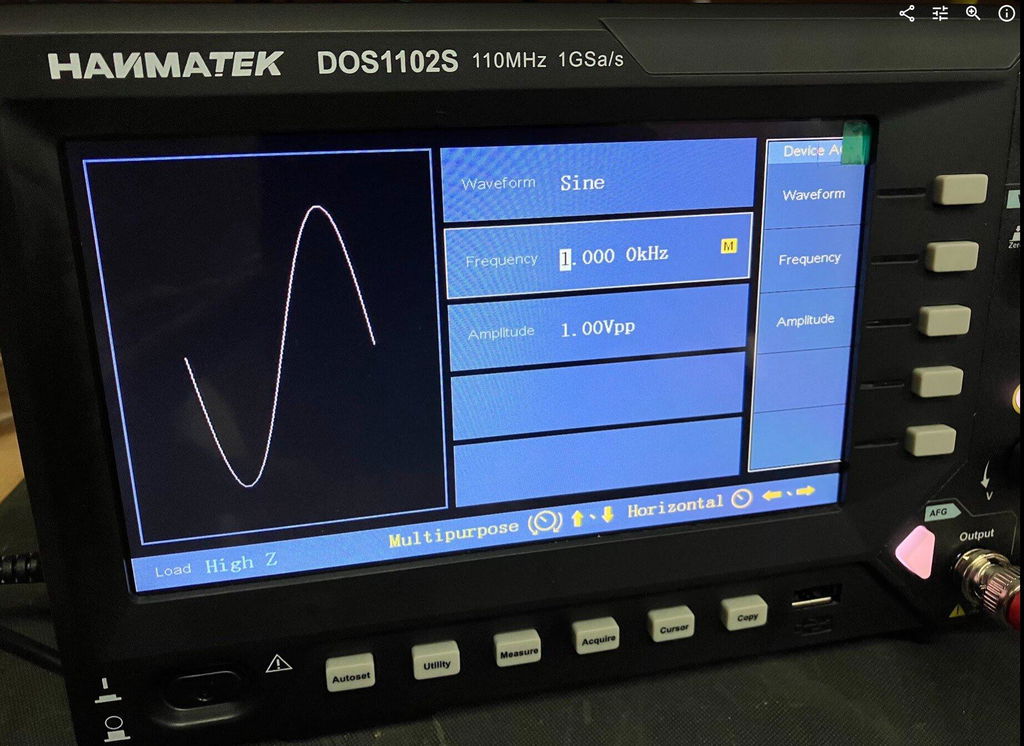
Daten/Beweise: Die Kombination von Oszilloskop (110 MHz Bandbreite, 1 GSa/s Abtastrate) und Funktionsgenerator (bis zu 10 MHz Ausgangsfrequenz, Sinus/Rechteck/Impuls/Rampe + 16 beliebige Wellenformen mit bis zu 12.000 Punkten) in einem Gerät macht zusätzliche Kabel, Netzteile und Geräte überflüssig. Vergleichbare Einzelgeräte kosten oft über 500–1.000 US-Dollar, während integrierte Modelle wie das Hanmatek DOS1102S eine vergleichbare Leistung zu einem Bruchteil der Kosten (typischerweise unter 200–300 US-Dollar) bieten. Dies deckt sich mit der anhaltenden Dominanz von Tischoszilloskopen (ca. 40 % Marktanteil im Jahr 2026 laut
Fortune Business Insights Oscilloscope Market Report ) im Bildungsbereich und bei leichten professionellen Anwendungen, wo Platzbedarf und Gesamtbetriebskosten entscheidend sind.
Integrierte vs. separate Geräte: Die klassische Debatte
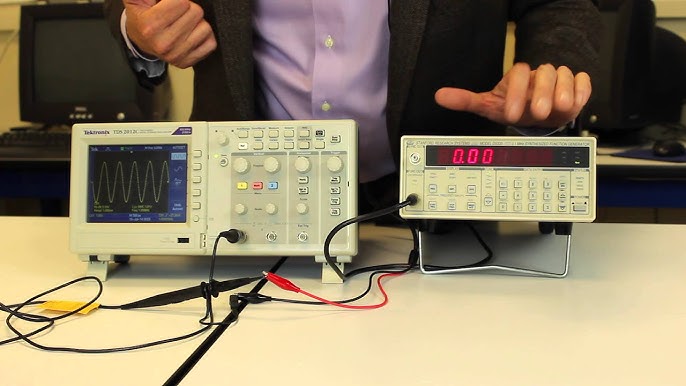
Traditionell verwendeten Ingenieure und Hobbybastler unterschiedliche Werkzeuge:
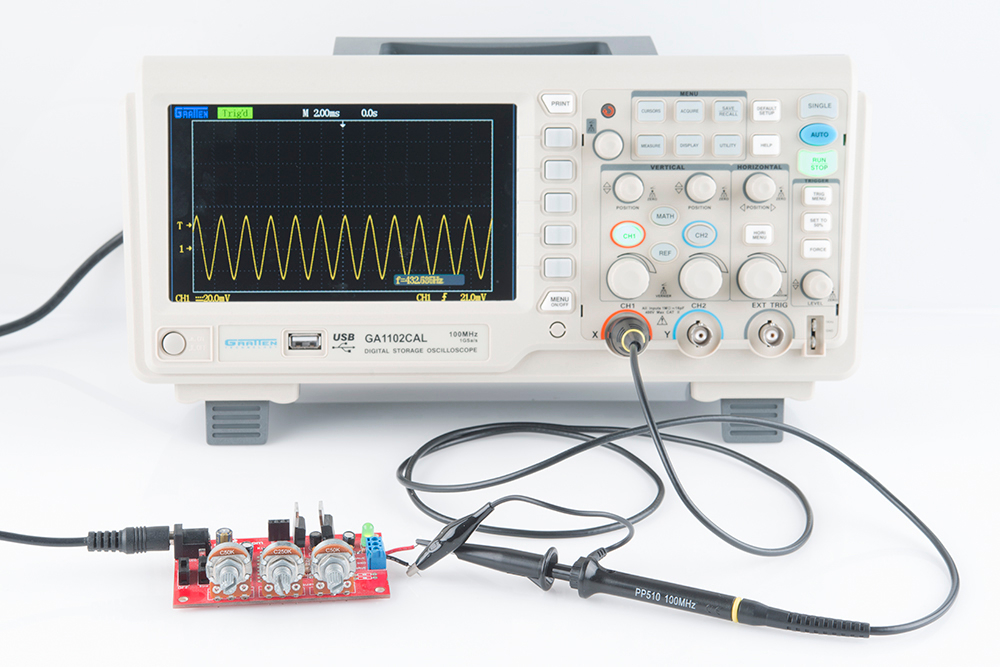
- Ein dediziertes digitales Speicheroszilloskop (DSO) zur Anzeige und Analyse von Signalen.
- Ein eigenständiger Funktions-/Arbiträrsignalgenerator (AWG) zur Erzeugung von Testsignalen wie Sinus-, Rechteck-, Impuls- oder benutzerdefinierten Wellenformen.
Diese Konfiguration eignet sich gut für professionelle Labore mit ausreichend Platz und Budget. Sie hat jedoch auch Nachteile:
-
Höhere Gesamtkosten – Qualitativ hochwertige Einzelgeräte bekannter Marken können leicht 500 bis 1000 US-Dollar pro Stück übersteigen.
-
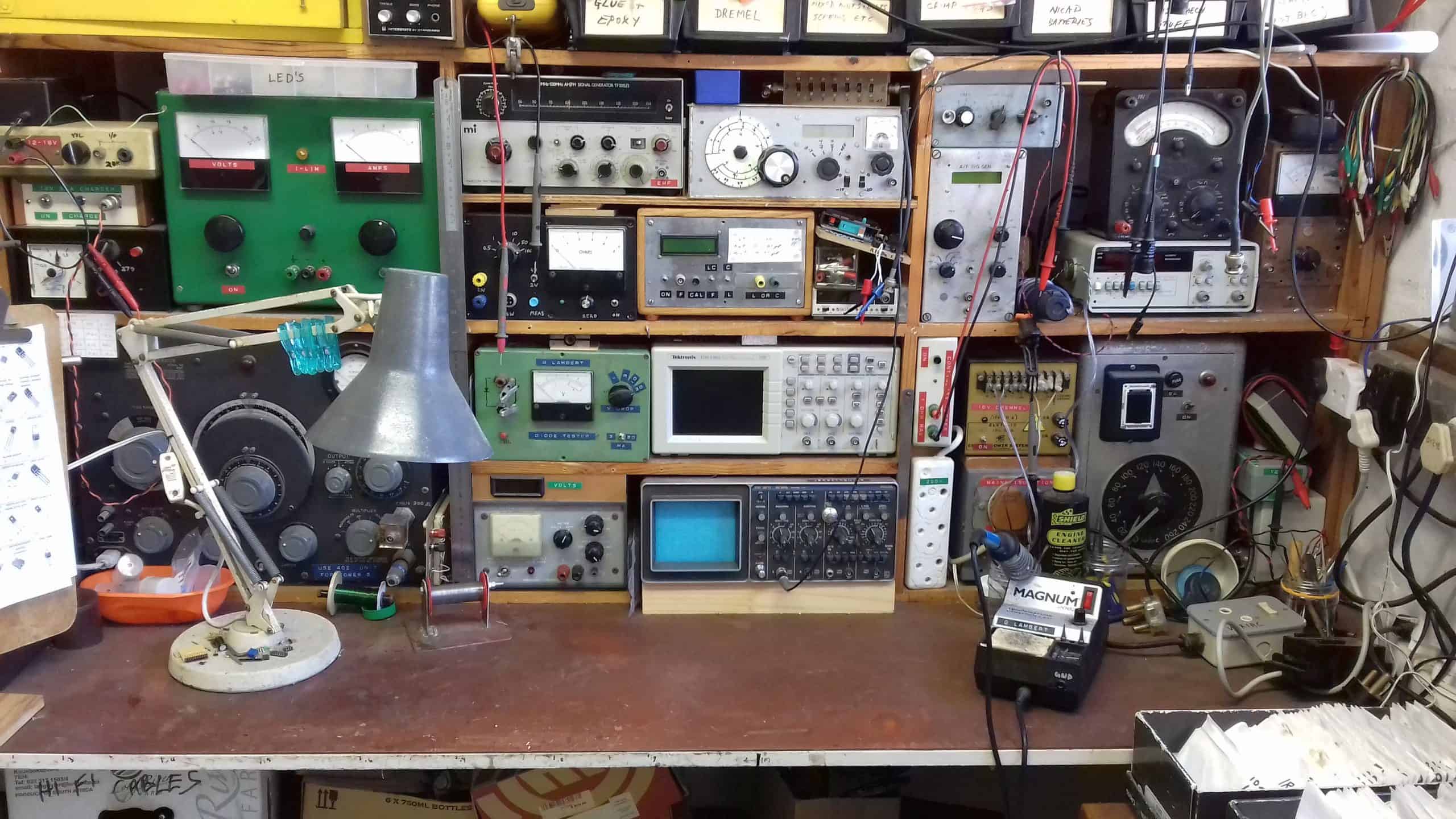
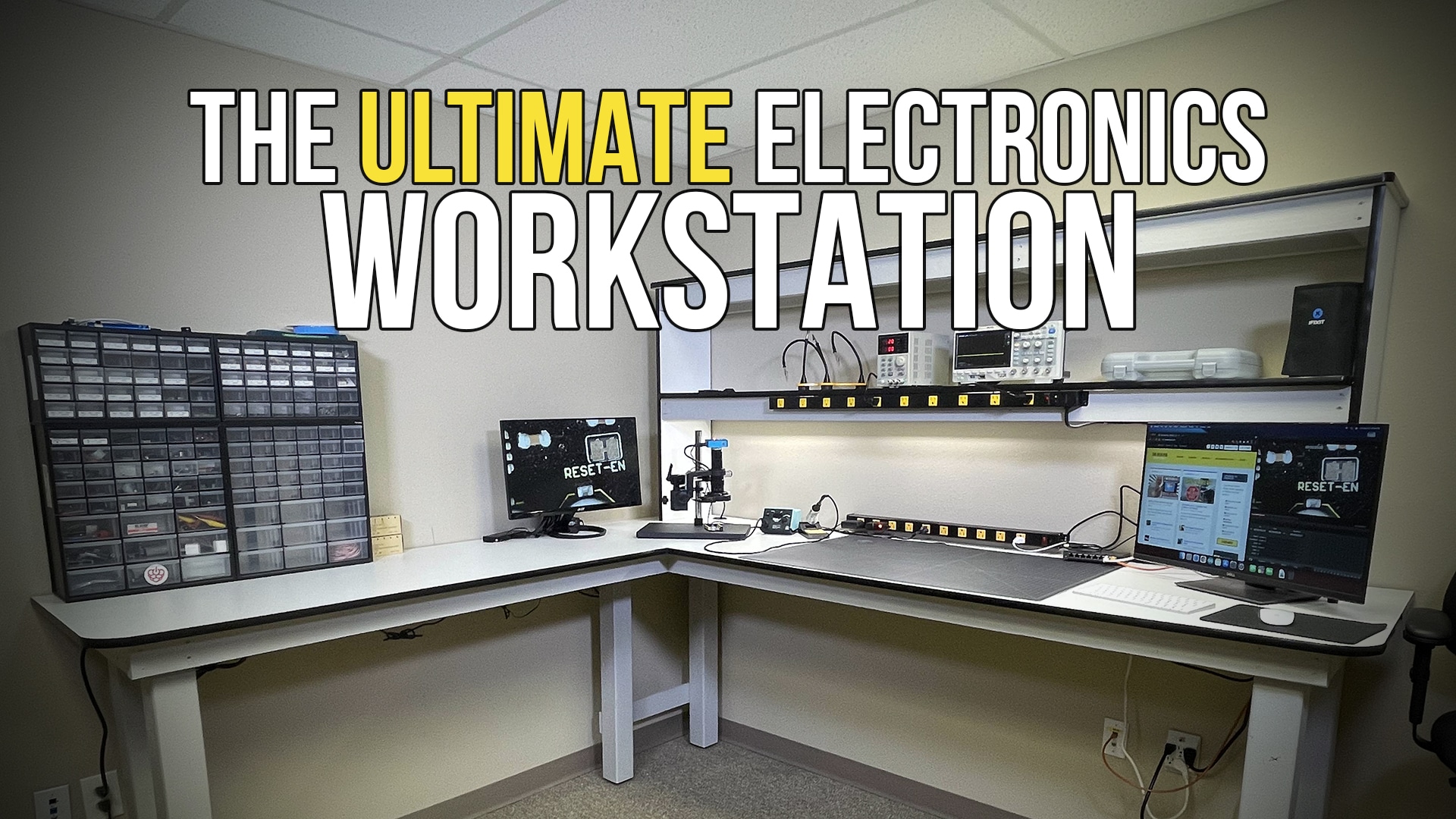
Mehr Unordnung – Zusätzliche Kabel, Netzteile und Geräte verstopfen Ihren Arbeitsplatz.
-
Langsamerer Arbeitsablauf – Das manuelle Umschalten zwischen Instrumenten und das Synchronisieren von Signalen kostet Zeit.
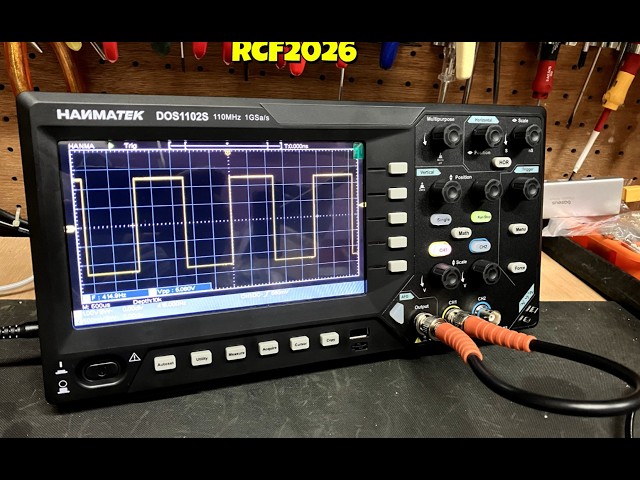
Ein Multifunktions-Tischoszilloskop kehrt dieses Prinzip um, indem es beide Funktionen in einem Gehäuse vereint. Sie erhalten Signalgenerierung und -beobachtung in Echtzeit, ohne mit Geräten hantieren zu müssen.
Faktenfeststellung 2: Beschleunigter Arbeitsablauf in Bildung und Prototyping
Fazit: Die Integration der Wellenformerzeugung direkt in das Oszilloskop vereinfacht die Reiz-Reaktions-Tests und das praktische Lernen in Bildungseinrichtungen und Maker-/Hobbyprojekten erheblich, reduziert die Komplexität des Aufbaus und ermöglicht schnellere Iterationen.
Daten/Nachweise: Der integrierte Generator ermöglicht die sofortige Signaleinspeisung (z. B. Sinus für die Verstärkerantwort, Rechteck-/Impulssignale zur Filterverifizierung, PWM-/Taktsimulation für MCU/Arduino/ESP32-Prototyping) und die Echtzeitbeobachtung auf demselben Bildschirm ohne manuelle Synchronisierung oder Geräteumschaltung; Lehrende und Studierende profitieren von vereinfachten Demonstrationen von RC-Schaltungen, Operationsverstärkerfiltern und Zeitverhalten; Benutzerrezensionen und -handbücher (z. B. Hanmatek-Produktübersichten 2025–2026 und Community-Diskussionen) heben diesen Komfort häufig als wichtigen Vorteil für Lehre und schnelles Prototyping hervor.
Wichtigste Vorteile: Platzersparnis und Kosteneffizienz
Einer der größten Vorteile eines integrierten Geräts ist die optimierte Nutzung des Laborraums . Moderne Laborarbeitsplätze – insbesondere in Heimarbeitsplätzen, Makerspaces oder gemeinsam genutzten Lernumgebungen – sind oft begrenzt. Die Kombination von Werkzeugen reduziert den Platzbedarf erheblich.
Ein weiterer wichtiger Faktor sind die Kosten. Einsteiger-Oszilloskope (100–110 MHz, 2 Kanäle) kosten oft zwischen 200 und 400 US-Dollar, während ein guter Funktionsgenerator zusätzlich 150 US-Dollar oder mehr kostet. Eine Komplettlösung bietet vergleichbare Leistung zu einem günstigeren Preis und ist somit auch für preisbewusste Anwender erschwinglich.
Auch die Leistung muss nicht darunter leiden. Viele Multifunktionsmodelle bieten mittlerweile solide Spezifikationen:
- Bandbreite von über 100 MHz
- GS/s-Abtastraten
- Farbdisplays mit intuitiven Benutzeroberflächen
- Integrierte Messwerkzeuge und FFT-Analyse
Tatsachenbehauptung 3: Zuverlässige Leistung für alltägliche Reparatur- und Fehlersuchaufgaben Fazit: Für nicht spezialisierte Elektronikreparaturen, die Fehlersuche in Stromversorgungen, Signalintegritätsprüfungen und einfache Schaltungssimulationen bietet ein erschwinglicher integrierter Oszilloskop-Wellenformgenerator wie der Hanmatek DOS1102S professionelle Fähigkeiten mit ausgezeichnetem Preis-Leistungs-Verhältnis und hoher Zuverlässigkeit.
Daten/Nachweise: Bietet 110 MHz Bandbreite, 1 GSa/s Abtastrate (500 MSa/s pro Kanal), ein 7-Zoll-Farb-TFT-Display mit 800 × 480 Pixeln, über 30 automatische Messungen, FFT-Analyse und USB-Anschluss; der integrierte Generator unterstützt bis zu 10 MHz Ausgangsfrequenz mit beliebigen Wellenformen, ausreichend für die meisten Hobby- und Reparaturarbeiten (z. B. Messung der Spannungsripple, des Verstärkerverhaltens, Simulation digitaler Signale); wird in unabhängigen Tests (YouTube-Serie „Hanmatek DOS1102 Review“ und Threads auf EEVblog/Reddit) durchweg als „sehr gutes Einsteiger-Oszilloskop“ mit „beeindruckendem Preis-Leistungs-Verhältnis“ für den täglichen Gebrauch gelobt; passt in den robusten Wachstumskurs des Oszilloskopmarktes (CAGR 7,6 % 2026–2034,
Fortune Business Insights ), insbesondere für preisbewusste Anwender in den Bereichen Reparatur und Prototyping.
Ideale Szenarien: Unterrichts- und Maker-Projekte
Die Stärken integrierter Oszilloskope liegen vor allem im Unterricht und in Maker-/Creator- Umgebungen.
Für Lehrkräfte vereinfacht ein einzelnes Gerät Demonstrationen – es erzeugt ein Signal und beobachtet dessen Reaktion sofort. Schüler können ohne komplexe Aufbauten mit Reiz-Reaktions-Tests experimentieren (z. B. mit RC-Schaltungen, Operationsverstärkerfiltern oder PWM-Signalen). Dieser praxisorientierte Ansatz beschleunigt das Lernen.
Bastler und Hobbyisten profitieren gleichermaßen. Das Prototyping von Arduino-, Raspberry-Pi- oder Analogprojekten erfordert oft eine schnelle Signalübertragung zum Debuggen. Ein integrierter Generator ermöglicht Ihnen Folgendes:
- Testverstärkerverhalten bei Sinuswellen
- Taktsignale für digitale Schaltungen simulieren
- Überprüfen Sie die Filtercharakteristika mit Rechteck-/Impulssignalen.
Sie brauchen keine zusätzliche Ausrüstung zu kaufen, zu kalibrieren oder zu lagern – alles bleibt kompakt und einsatzbereit.
Im Fokus: Hanmatek DOS1102S – Eine praktische 2-in-1-Lösung
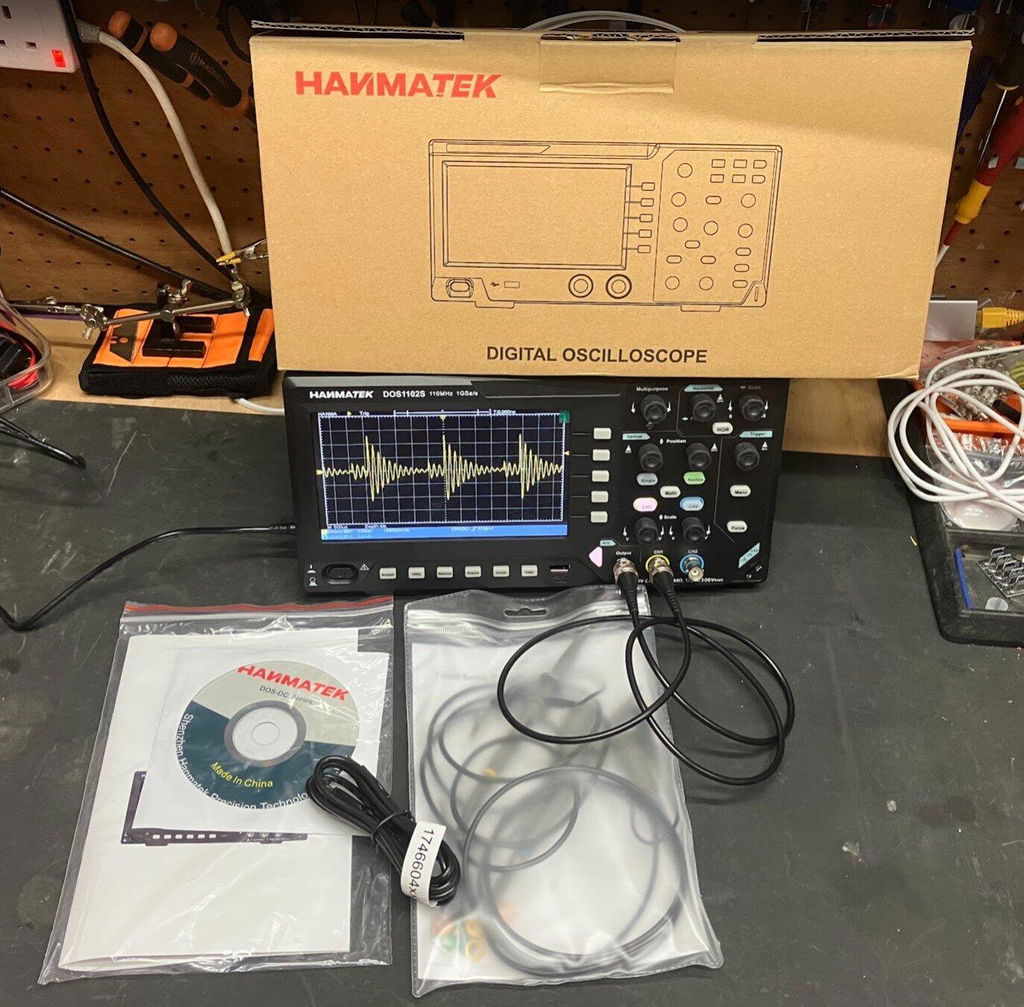
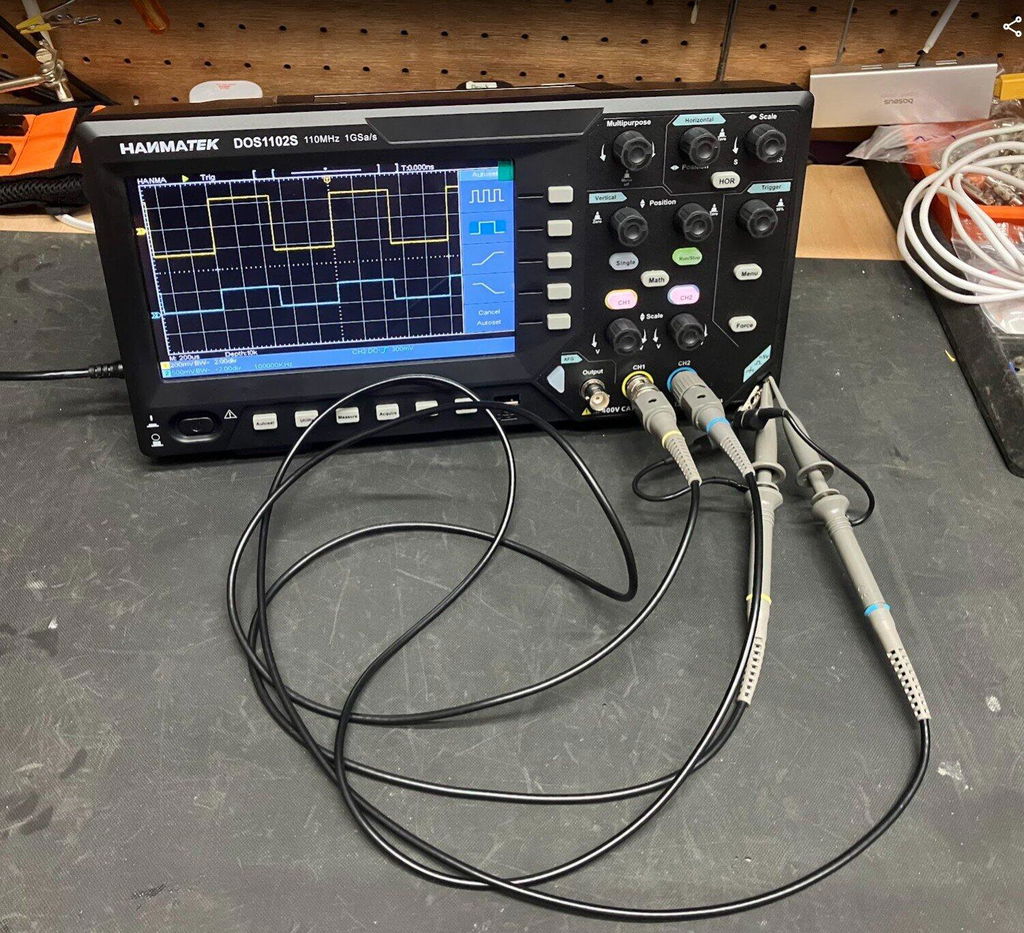
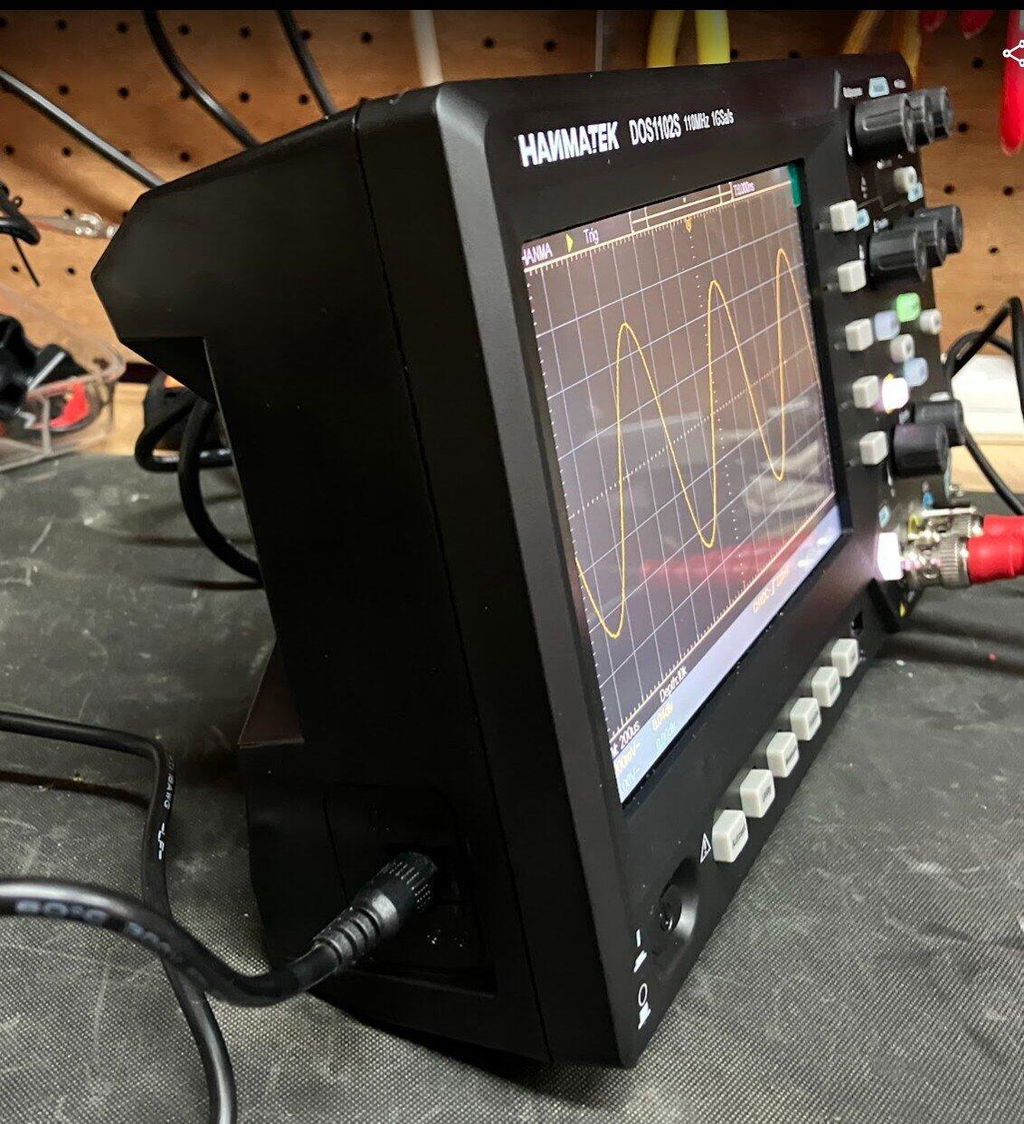
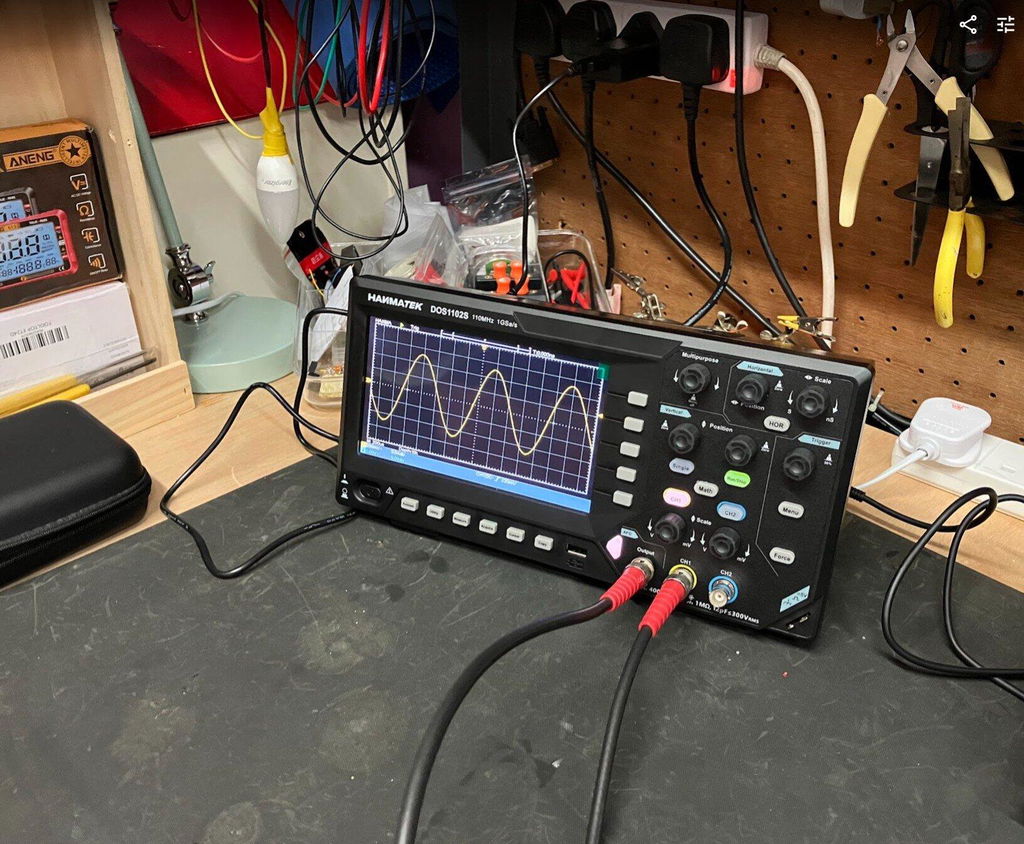
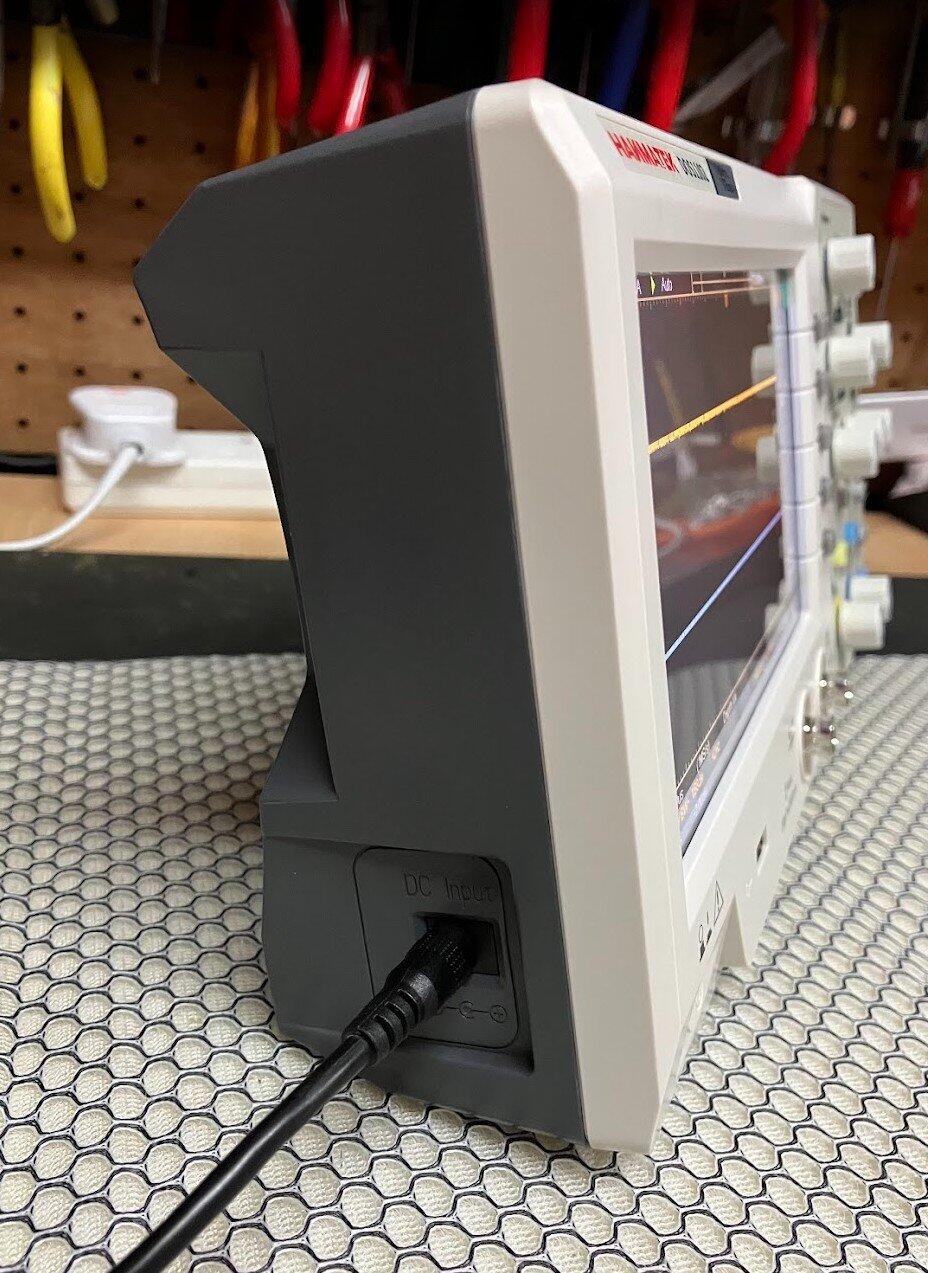
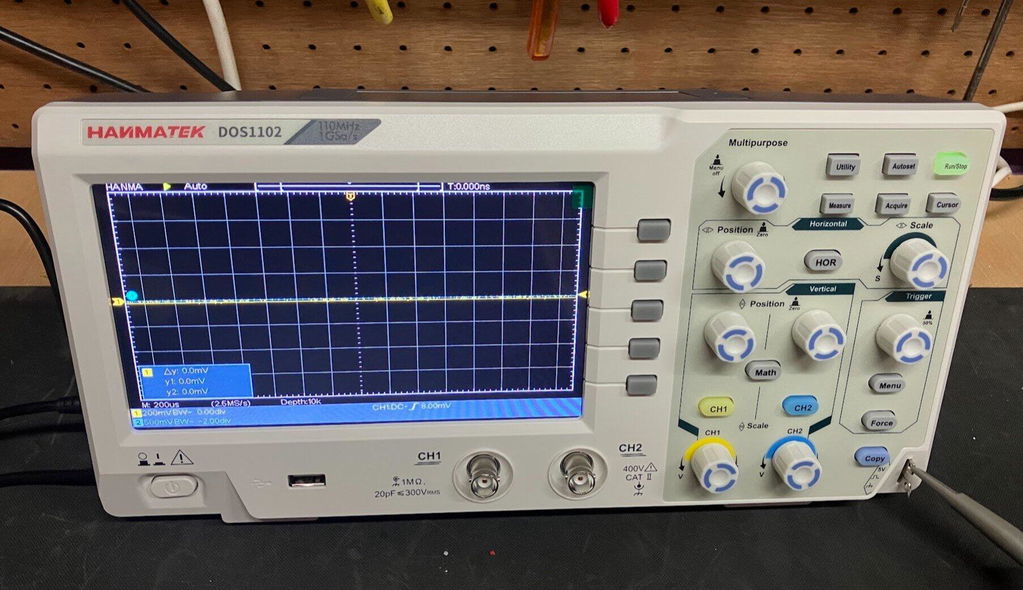
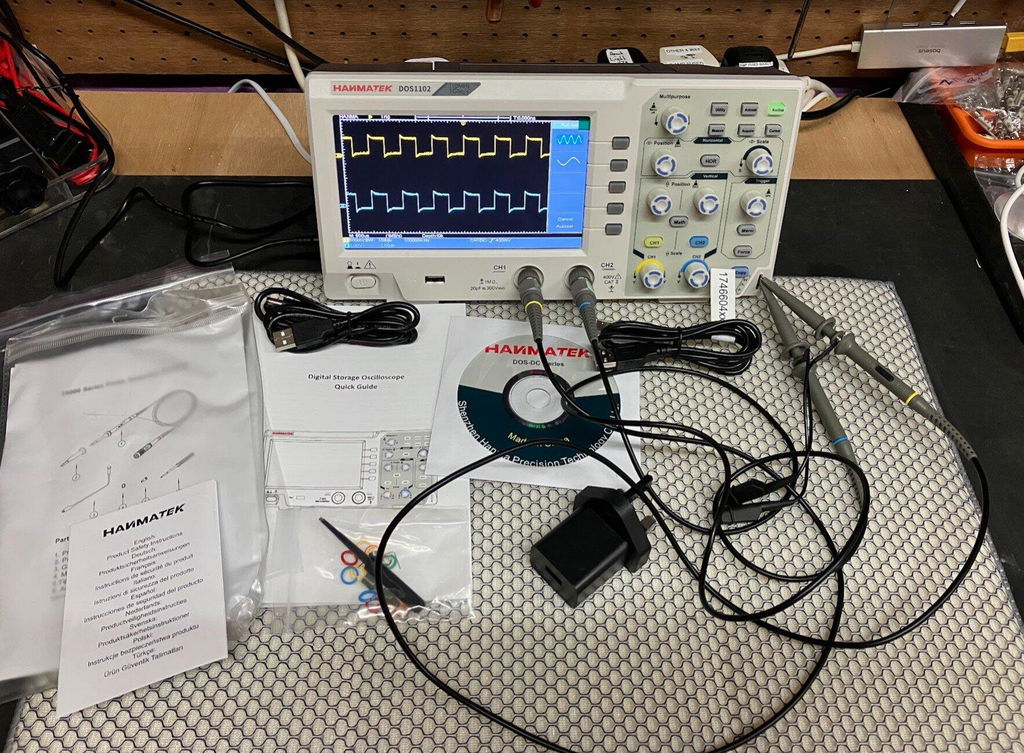
Eine überzeugende Option in dieser Kategorie ist das Hanmatek DOS1102S, ein 110-MHz-Tischoszilloskop mit integriertem Funktionsgenerator.
Zu den wichtigsten Highlights gehören:
-
110 MHz Bandbreite bei einer Abtastrate von 1 GSa/s (500 MSa/s pro Kanal) für die präzise Erfassung schneller Signale.
-
Zwei Kanäle zum Vergleich der Eingangssignale.
-
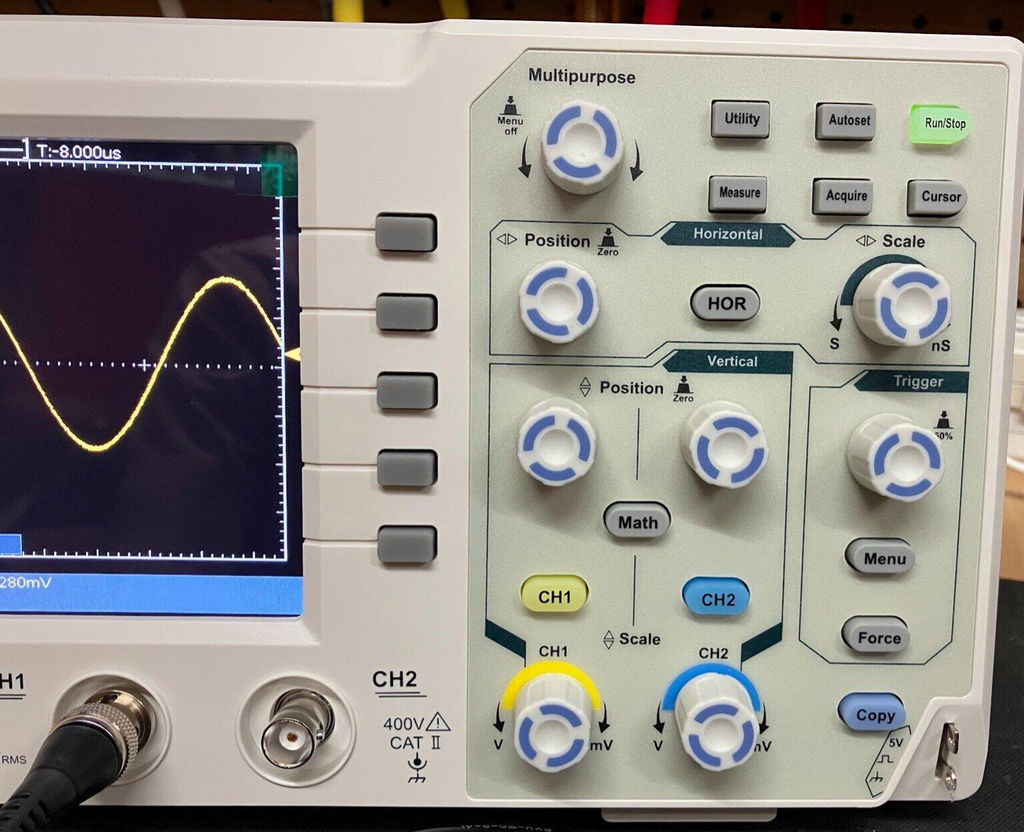
7-Zoll-Farb-TFT-Display (Auflösung 800×480) mit klarer, intuitiver Bedienung.
-
Eingebauter 10-MHz-Signalgenerator, der Sinus-, Rechteck-, Impuls-, Rampen- und beliebige Signalformen unterstützt (bis zu 12.000 Punkte).
- Zusätzliche Vorteile wie FFT-Analyse, automatische Messungen (über 30 Parameter), USB-Anschlussmöglichkeiten für den Datentransfer und Mehrsprachigkeit.
Es ist preisgünstig (oft unter 200 US-Dollar) und bietet professionelle Funktionen ohne Premium-Preis. Anwender loben seine Zuverlässigkeit bei alltäglichen Aufgaben wie der Fehlersuche in Netzteilen, der Überprüfung der Signalintegrität und der Schaltungssimulation.
Auch wenn es in puncto fortschrittlicher Triggerfunktionen oder Speichertiefe nicht mit High-End-Oszilloskopen mithalten kann, ist es für die meisten nicht spezialisierten Arbeiten mehr als ausreichend – und die Integration macht es zu einer klugen Wahl.
Lohnt es sich? Das Urteil
Ja – insbesondere wenn Sie:
- Arbeiten in einer beengten Umgebung
- Sie möchten die Kosten minimieren, ohne dabei auf die Kernfunktionalität zu verzichten?
- Schwerpunkt: Bildung, Hobbyprojekte, Prototyping oder leichte professionelle Nutzung
Für spezielle HF-, Hochgeschwindigkeits-Digital- oder Präzisionsanwendungen sind separate High-End-Geräte nach wie vor Standard. Für die meisten Anwender bietet ein Multifunktions-Tischoszilloskop wie das Hanmatek DOS1102S jedoch ein hervorragendes Preis-Leistungs-Verhältnis, hohen Bedienkomfort und optimale Leistung in einem kompakten Gerät.
Bereit für ein Upgrade Ihres Testlabors? Sehen Sie sich hier den Hanmatek DOS1102S an und entdecken Sie, wie viel einfacher (und sauberer) Ihre Tests sein können.
Wie sieht euer Setup aus – integrierte oder separate Tools? Teilt es in den Kommentaren mit!





Einen Kommentar hinterlassen