
Free Returns Guarantee
Free & Easy Returns
Free & Easy Returns

Why are so many people struggling to choose between a desktop oscilloscope and a handheld one? The answer is simple: automotive repair and laboratory work have completely different requirements. Many users end up buying the wrong type of oscilloscope, leading to wasted features and unnecessary expenses. Choosing the right oscilloscope depends on several key factors including portability, bandwidth, sampling rate, memory depth, usage scenarios, and cost-effectiveness. In this article, we will analyze these aspects in detail, comparing desktop and handheld oscilloscopes, and provide practical recommendations for different use cases. Whether you are a professional technician, a lab researcher, or an engineer, this guide will help you make an informed decision.
CTA:
Check Out Hanmatek Popular Oscilloscopes
When deciding between a desktop oscilloscope and a handheld oscilloscope, it’s essential to consider your primary usage. Here's a quick overview:
| Feature | Desktop Oscilloscope | Handheld Oscilloscope |
|---|---|---|
| Portability | Stationary, requires a desk | Compact, lightweight, can be used in-field |
| Bandwidth | Higher, suitable for advanced lab work | Moderate, sufficient for automotive or basic troubleshooting |
| Sampling Rate | High, ideal for fast signal capture | Lower, suitable for most mobile diagnostics |
| Memory Depth | Large, stores long signal sequences | Limited, designed for quick checks |
| Display | Large, clear, multiple channels | Smaller, simpler display |
| Price | Moderate to high | Affordable, mid-range |
For automotive repair, technicians often need a tool that fits in a toolbox or can be used directly in a car engine bay. Handheld oscilloscopes are perfect for this scenario. Their compact size allows you to perform quick diagnostics without lugging a bulky desktop unit around.
Recommended Keywords:
In a laboratory or engineering setting, signal precision matters. Desktop oscilloscopes generally provide higher bandwidth and faster sampling rates, making them suitable for testing high-frequency circuits or complex systems.
Key Points:
Recommended Keywords:
Long memory depth is essential when capturing detailed waveforms for later analysis. Desktop oscilloscopes excel here, while handheld devices prioritize quick access and portability over extensive storage.
Desktop Oscilloscopes Price: Usually higher, justified by advanced features.
Handheld Oscilloscopes: Affordable, ideal for technicians needing mobility and essential functions.
| Scenario | Recommended Type |
|---|---|
| Automotive diagnostics | Handheld oscilloscope |
| Laboratory research | Desktop oscilloscope |
| Field engineering or on-site maintenance | Handheld oscilloscope |
| Circuit development and debugging | Desktop oscilloscope |
Common automotive tests include:
Advantage 1: Portability
Advantage 2: Battery-Powered
Advantage 3: Better Interference Resistance
Advantage 4: Measure While Moving
Model: Hanmatek HO102S
Features:
CTA:
Check Out HO102S Automotive Solution
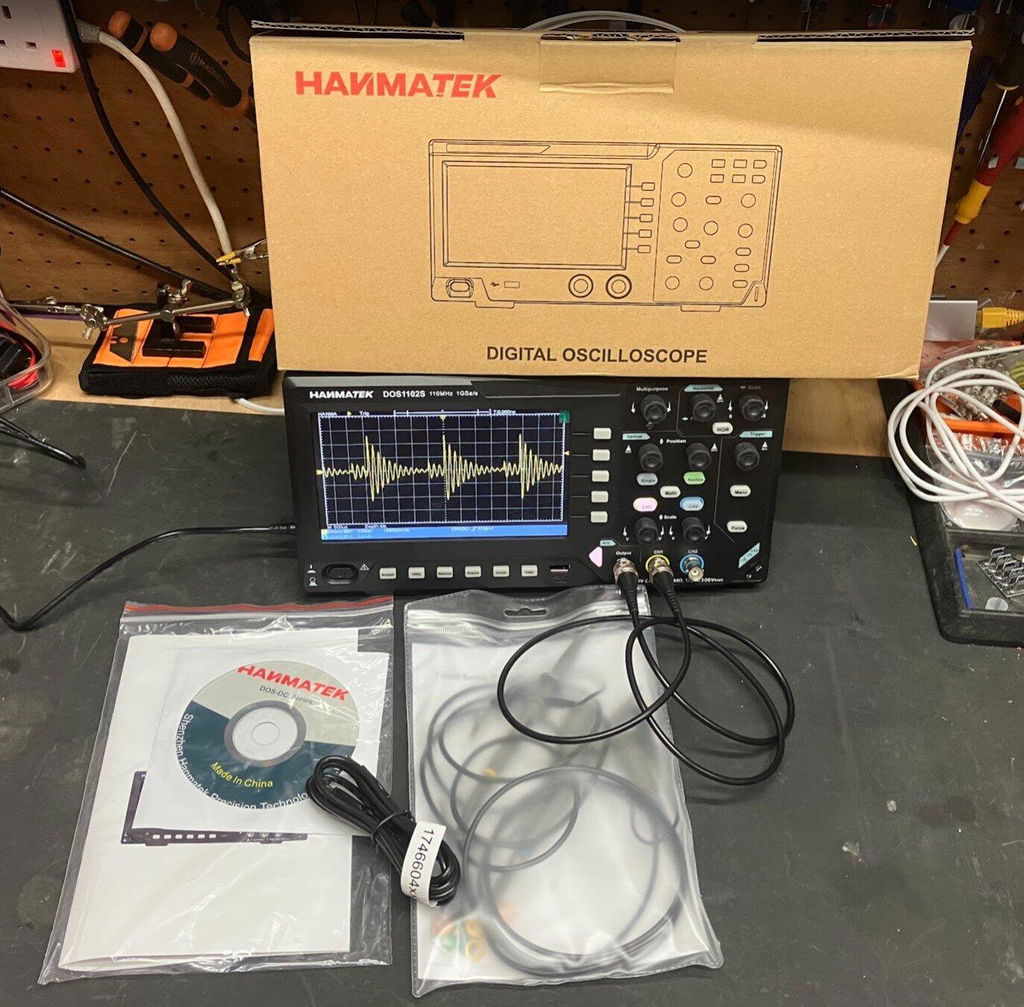
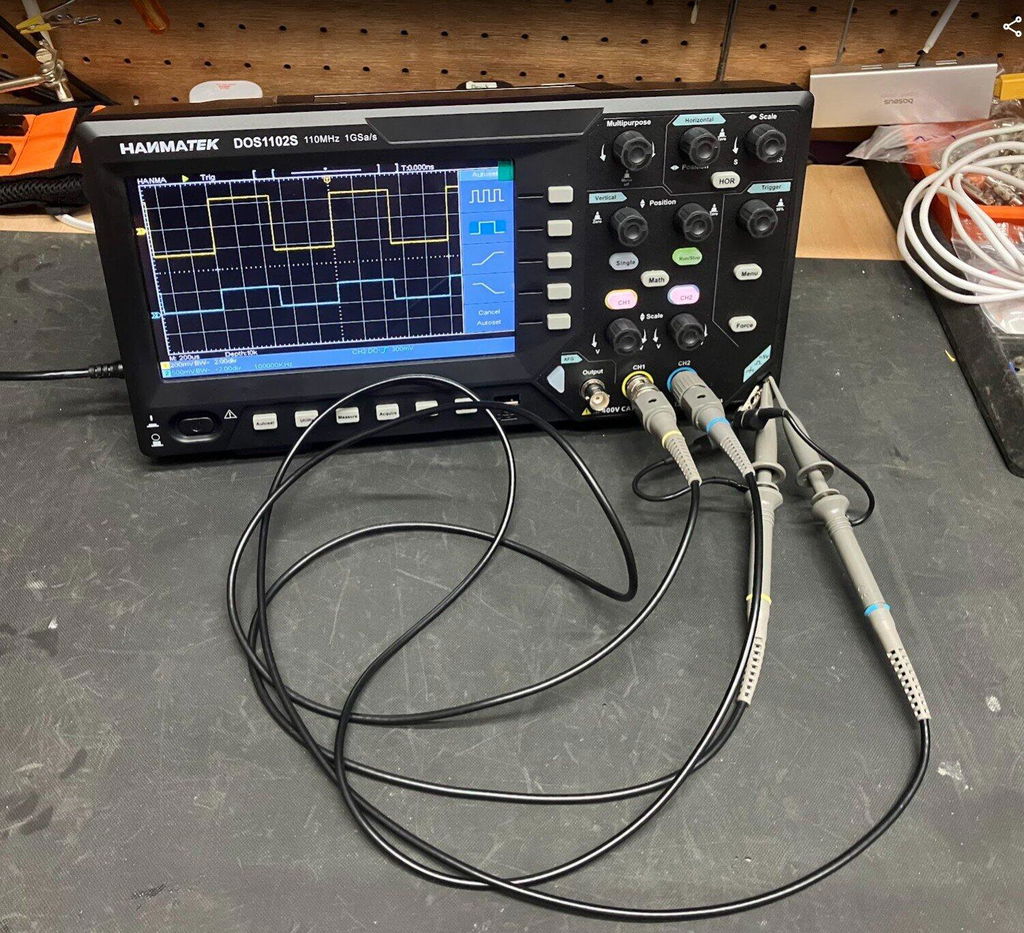
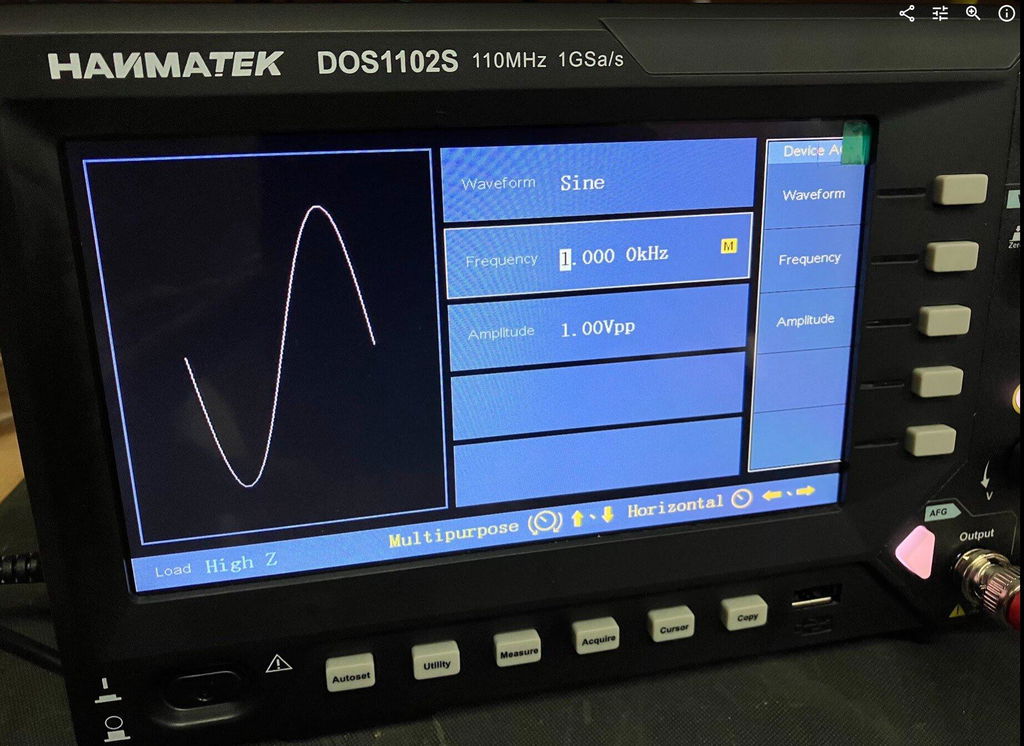
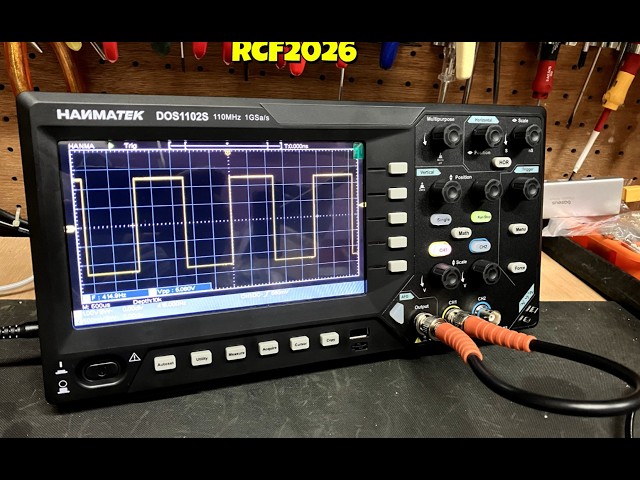
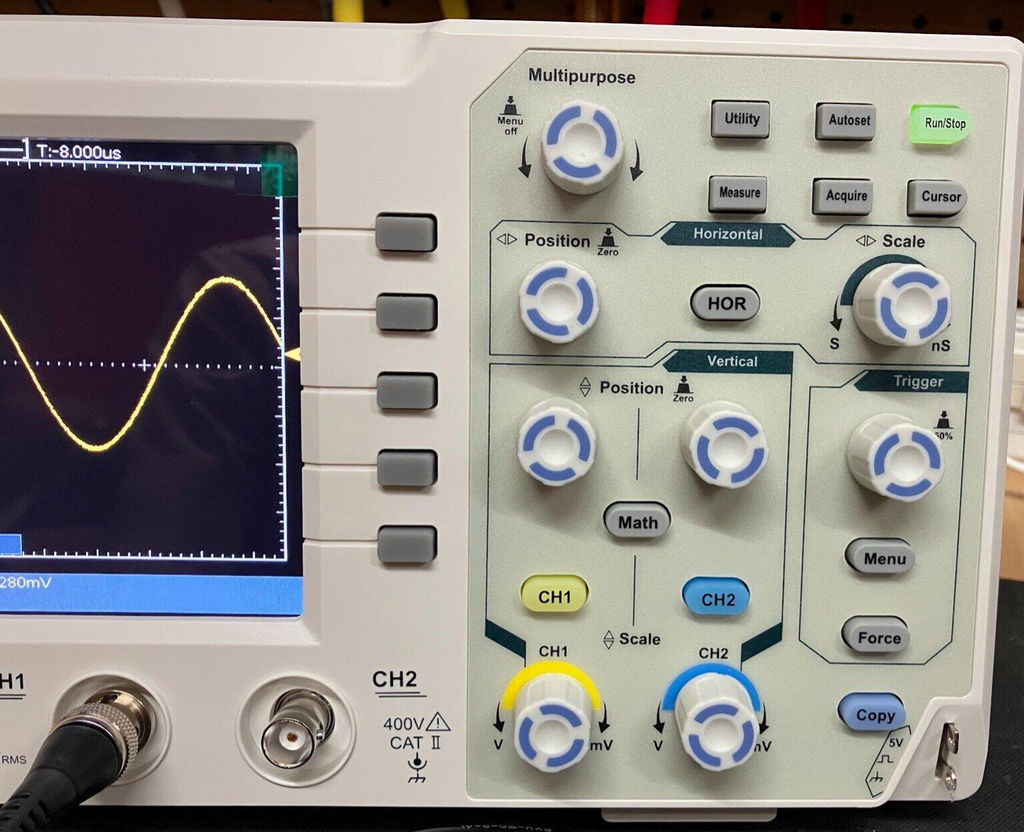
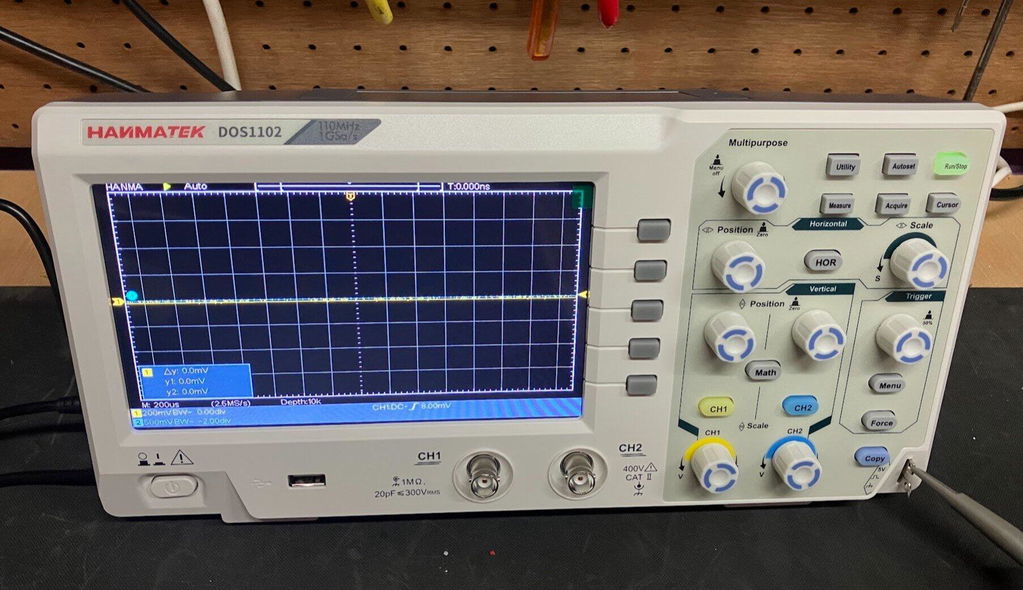
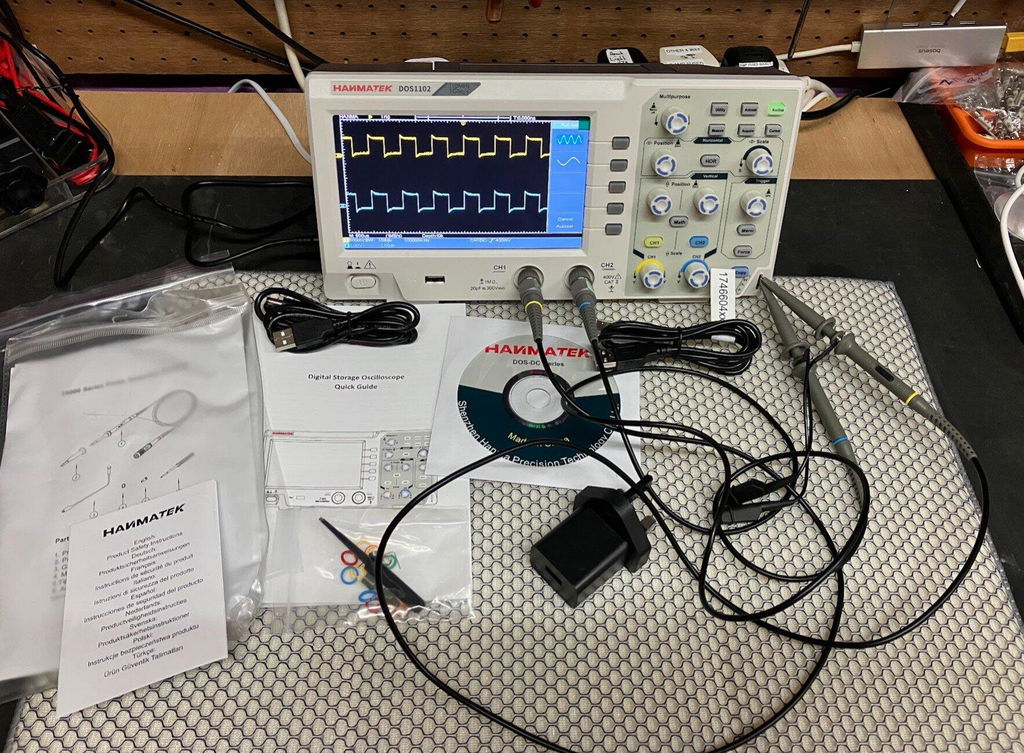
Model: Hanmatek DOS1102
Product Link:
Hanmatek DOS1102 110MHz 2-Channel Oscilloscope
Key Specifications:
Suitable For:
CTA:
Check Out DOS1102 Laboratory Configuration
| Parameter | Desktop Oscilloscope | Handheld Oscilloscope |
|---|---|---|
| Bandwidth | Higher | Medium |
| Sampling Rate | Higher | Lower |
| Memory Depth | Larger | Medium |
| Screen Size | Larger | Smaller |
| Portability | Poor | Very High |
| Battery Powered | Usually No | Yes |
| Outdoor Use | Not Convenient | Excellent |
| Automotive Repair | Limited | Advantageous |
| Laboratory R&D | Best | Average |
| Price | Higher | Flexible |
Definition: Number of data points captured per second.
Importance: High-speed signals require high sampling rates to avoid waveform distortion.
Example:
| Brand | Advantages | Best For |
|---|---|---|
| Hanmatek | Cost-effective, strong handheld lineup | Repairs, DIY, entry-level engineering |
| Rigol | Mature lab ecosystem | Professional R&D users |
Hanmatek Advantages:
Rigol Advantages:
Who Should Choose Hanmatek?
Entry-Level (100–200 USD)
Mid-Range (150–200 USD)
High-End (200+ USD)
When Handheld Is Necessary:
When Desktop Is Necessary:
Compromise Solution:
| User | Recommended Model | Reason |
|---|---|---|
| Students | DOS1102 | Complete learning features, dual-channel, cost-effective |
| Automotive Repair | HO102S | Portable, battery-powered, dual-channel analysis |
| DIY Enthusiasts | HO52S | Budget-friendly, functional |
| Enterprise Laboratory | DOS1102 | Strong analysis, suitable for fixed bench |
| Type | Model | Best For |
|---|---|---|
| Overall Best | DOS1102 | Laboratory & learning |
| Automotive Best | HO102S | Mobile diagnostics |
| Best Cost-Performance | HO52S | Budget-conscious users |
CTA:
Check Hanmatek Official Offers
Choose Handheld:
Choose Desktop:
Best Approach:
Final CTA:
Explore Hanmatek Oscilloscopes
Q1: How much does a desktop oscilloscope cost?
Q2: Should automotive repair use handheld or desktop?
Q3: Is Hanmatek a good choice for laboratories?
Q4: How to balance portability and performance?
{"one"=>"Select 2 or 3 items to compare", "other"=>"{{ count }} of 3 items selected"}



Leave a comment