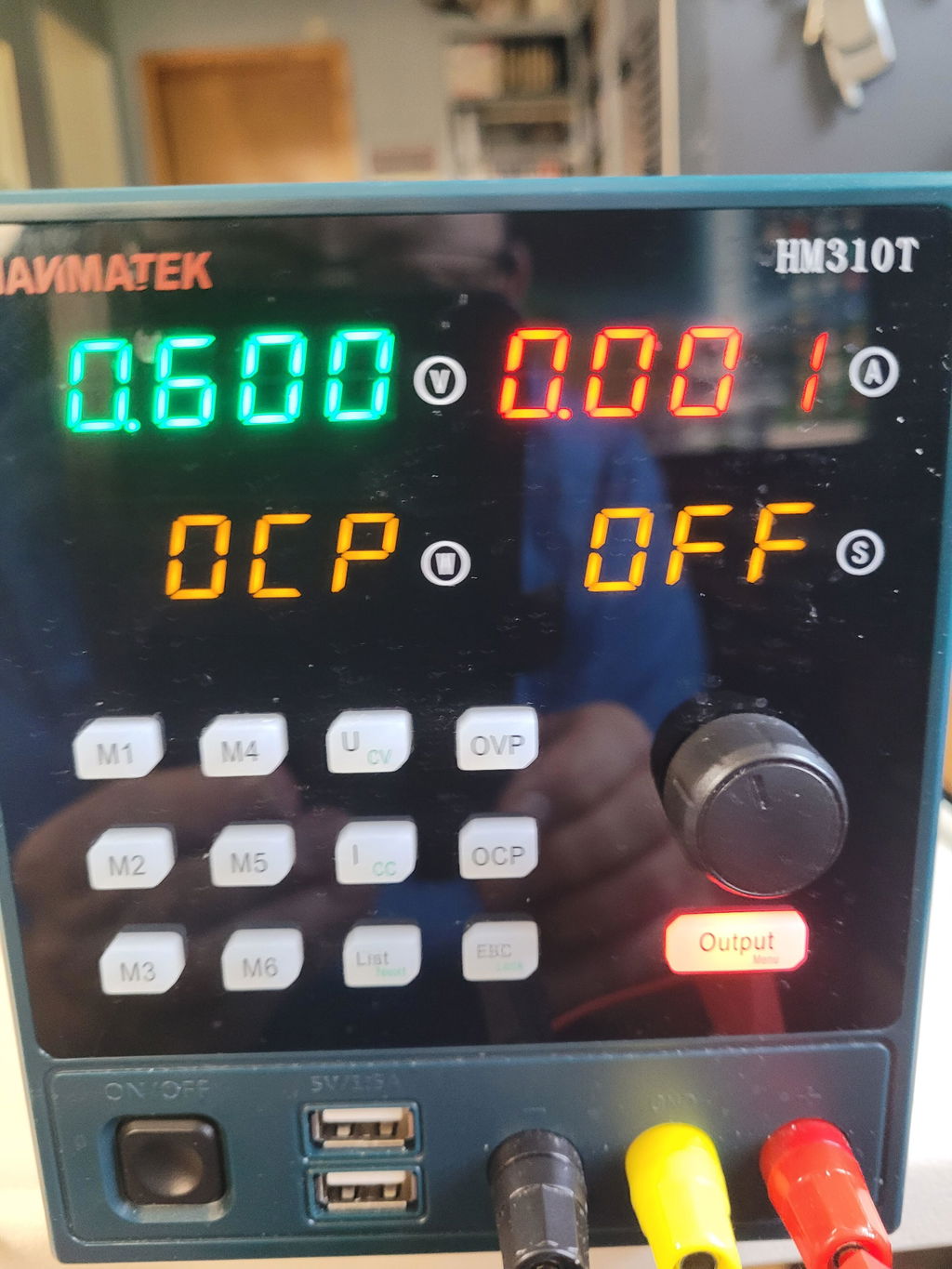


DC Power Supply Tutorial: How to Use a DC Power Supply
A Bench power supply is one of the most essential tools used in electronics laboratories, repair shops, and engineering environments. It provides adjustable voltage and current to power circuits safely during testing and development.
In this tutorial, you will learn how to use a DC power supply step by step. We will explain the basic controls, safety precautions, and practical testing examples to help beginners get started quickly.
What Is a DC Power Supply?
A DC power supply converts AC power from a wall outlet into stable DC voltage used to power electronic circuits. Most laboratory power supplies allow users to adjust both voltage and current to match the requirements of different devices.
Advantages of Using a Bench Power Supply
- Adjustable voltage output
- Adjustable current limit for protection
- Stable and precise power delivery
- Ideal for electronics testing and development
Browse available models: DC Power Supply Collection
When Should You Use a DC Power Supply?
Electronics Prototyping
Engineers use DC power supplies to power circuits during development and testing.
Device Repair
Technicians use adjustable power supplies to test electronic devices and circuit boards safely.
Battery Charging Experiments
Lab power supplies are often used in controlled battery charging and research experiments.
Educational Laboratories
Students use power supplies to learn about voltage, current, and electronic circuits.
Main Parts of a DC Power Supply
Voltage Adjustment Knob
Allows you to set the output voltage of the power supply.
Current Adjustment Knob
Sets the maximum current that the device can deliver.
Display Screen
Shows the output voltage and current values in real time.
Output Terminals
Connection points for the positive and negative output leads.
How to Use a DC Power Supply (Step-by-Step)
Constant Voltage vs Constant Current
Constant Voltage Mode (CV)
In this mode, the power supply maintains a fixed output voltage while the current varies depending on the load.
Constant Current Mode (CC)
In constant current mode, the device limits the current to a preset value to protect the circuit.
Practical Power Supply Applications
Testing LED Circuits
Use a power supply to provide stable voltage while limiting current to protect LEDs.
Powering Microcontrollers
Adjustable voltage makes it easy to test development boards and embedded systems.
Electronic Device Troubleshooting
Technicians can safely power circuits and monitor current consumption during diagnostics.
Common Beginner Mistakes
Setting Voltage Too High
Applying excessive voltage can damage sensitive electronic components.
Ignoring Current Limits
Not setting a current limit may result in overheating or circuit damage.
Incorrect Polarity
Reversing positive and negative leads can damage the device under test.
Recommended HANMATEK DC Power Supplies

HANMATEK HM310
High-precision bench power supply ideal for engineering development and repair work.

HANMATEK HM310T
High-precision Programmable DC Power Supply ideal for engineering development and repair work.
DC Power Supply FAQs
What is a variable DC power supply?
A variable DC power supply allows users to adjust the output voltage and current to meet different testing requirements.
Why is current limiting important?
Current limiting protects electronic components from excessive current that may cause damage.
What voltage range do most lab power supplies support?
Most bench power supplies provide adjustable output from 0V to 30V or higher depending on the model.
Explore HANMATEK DC Power Supplies
Discover reliable laboratory power supplies designed for electronics testing, development, and repair.