
Free Returns Guarantee
Free & Easy Returns
Free & Easy Returns

In the ever-evolving world of electronics and lab testing, finding the best benchtop oscilloscopes can make all the difference in your workflow. Whether you're a professional engineer, a hobbyist, or setting up a new laboratory, this benchtop oscilloscopes buying guide will help you navigate the options available in 2026. We'll cover everything from basics to advanced features, focusing on laboratory oscilloscopes that deliver precision, reliability, and value. As technology advances, benchtop oscilloscopes continue to offer superior performance for signal analysis in controlled environments.
A benchtop oscilloscope is a stationary test instrument designed for use on a workbench or lab table, providing detailed visualization of electrical signals over time. Unlike portable handheld models, benchtop versions prioritize high performance with larger screens, more channels, and advanced features for in-depth analysis. These devices are essential for tasks like debugging circuits, measuring waveforms, and troubleshooting in fields such as electronics, automotive diagnostics, and research.
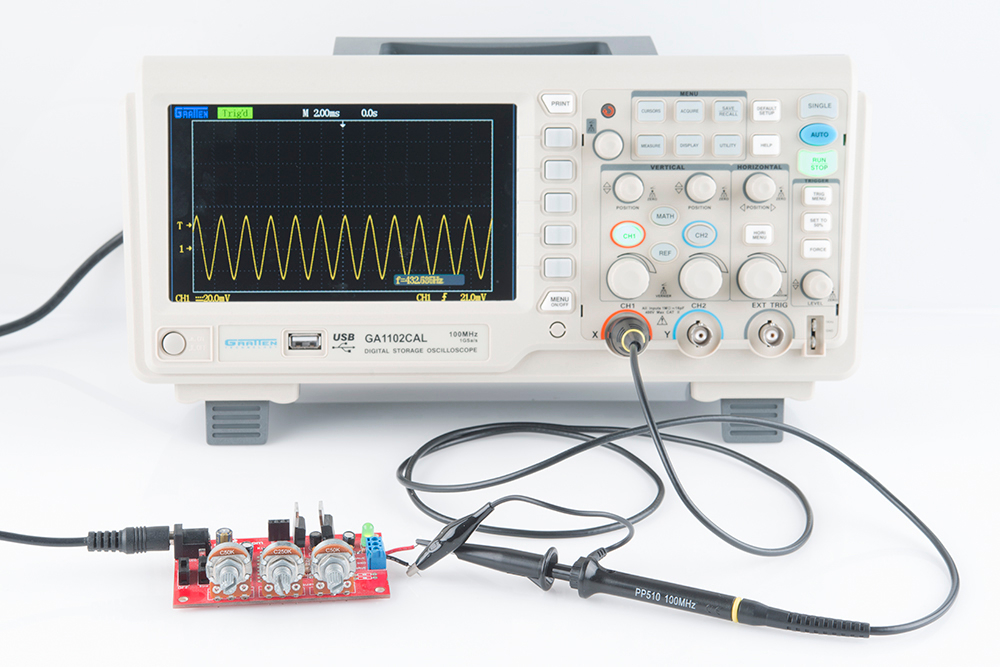
In simple terms, it captures and displays voltage changes as waveforms, helping you identify issues like noise, glitches, or frequency anomalies. In 2026, modern benchtop oscilloscopes often integrate digital storage (DSO) capabilities, allowing you to save and analyze data on a computer. They're ideal for labs where portability isn't a priority, offering deeper memory depths and faster sampling rates compared to USB or PC-based alternatives.
When selecting the best benchtop oscilloscope for your lab, several specifications should guide your decision. Here's a breakdown of the most critical ones:
Other considerations include sampling rate (at least 1GSa/s for accuracy), memory depth for capturing long sequences, and built-in tools like waveform generators or spectrum analyzers. Budget-wise, expect entry-level options around $150–$400, with premium models exceeding $1,000.
Based on 2026 market trends, here are top recommendations tailored to specific needs. These draw from expert reviews and user feedback, highlighting models that balance performance and cost.
These options represent a mix of brands leading the market in 2026, with Siglent and Rigol often praised for value.
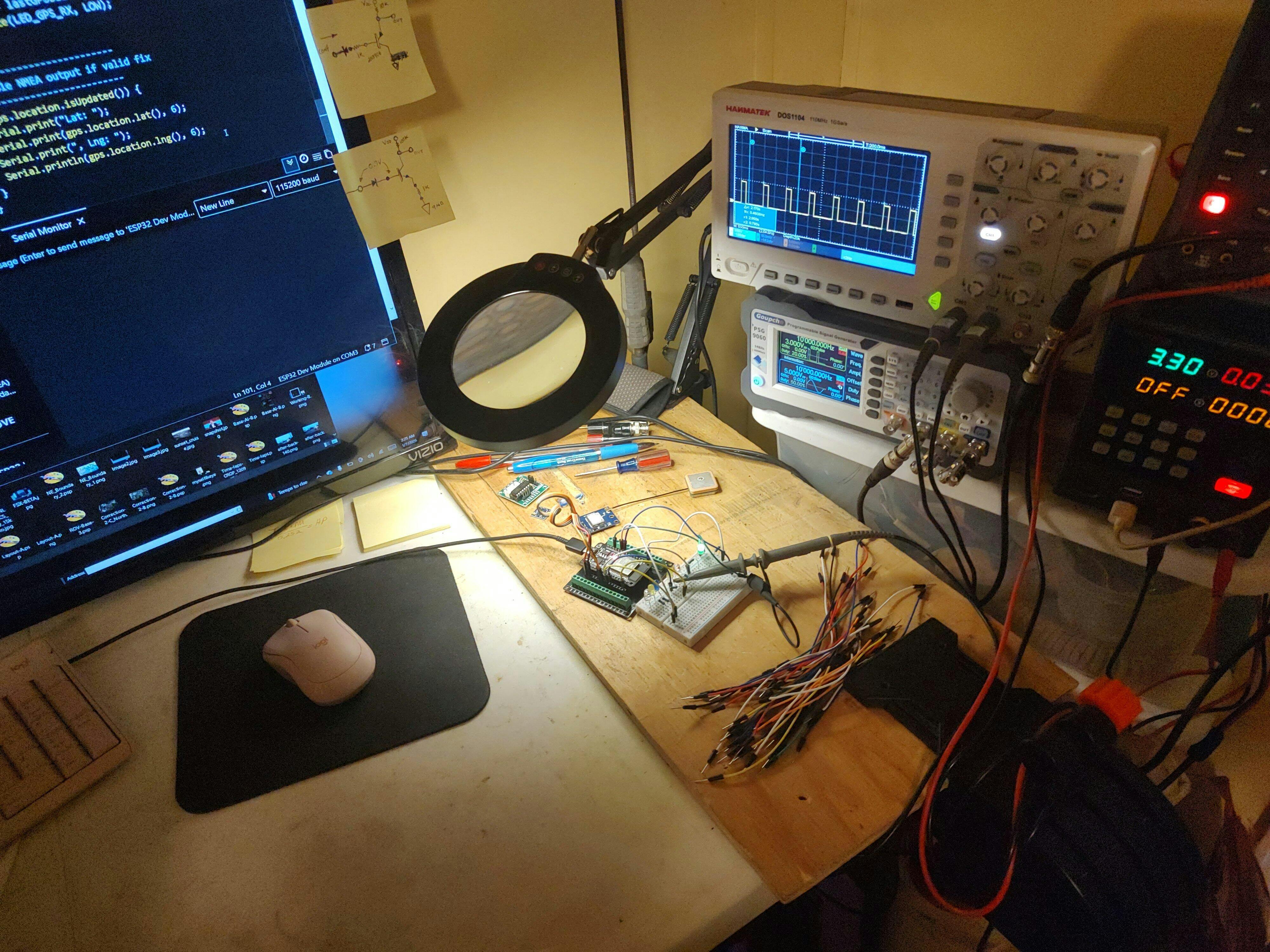
In a crowded market, Hanmatek shines for its blend of affordability, innovation, and reliability. Their benchtop series, like the DOS1104 (4CH, 110MHz) and DOS1202 (2CH, 200MHz), deliver professional-grade features at entry-level prices – often 20-30% less than competitors.
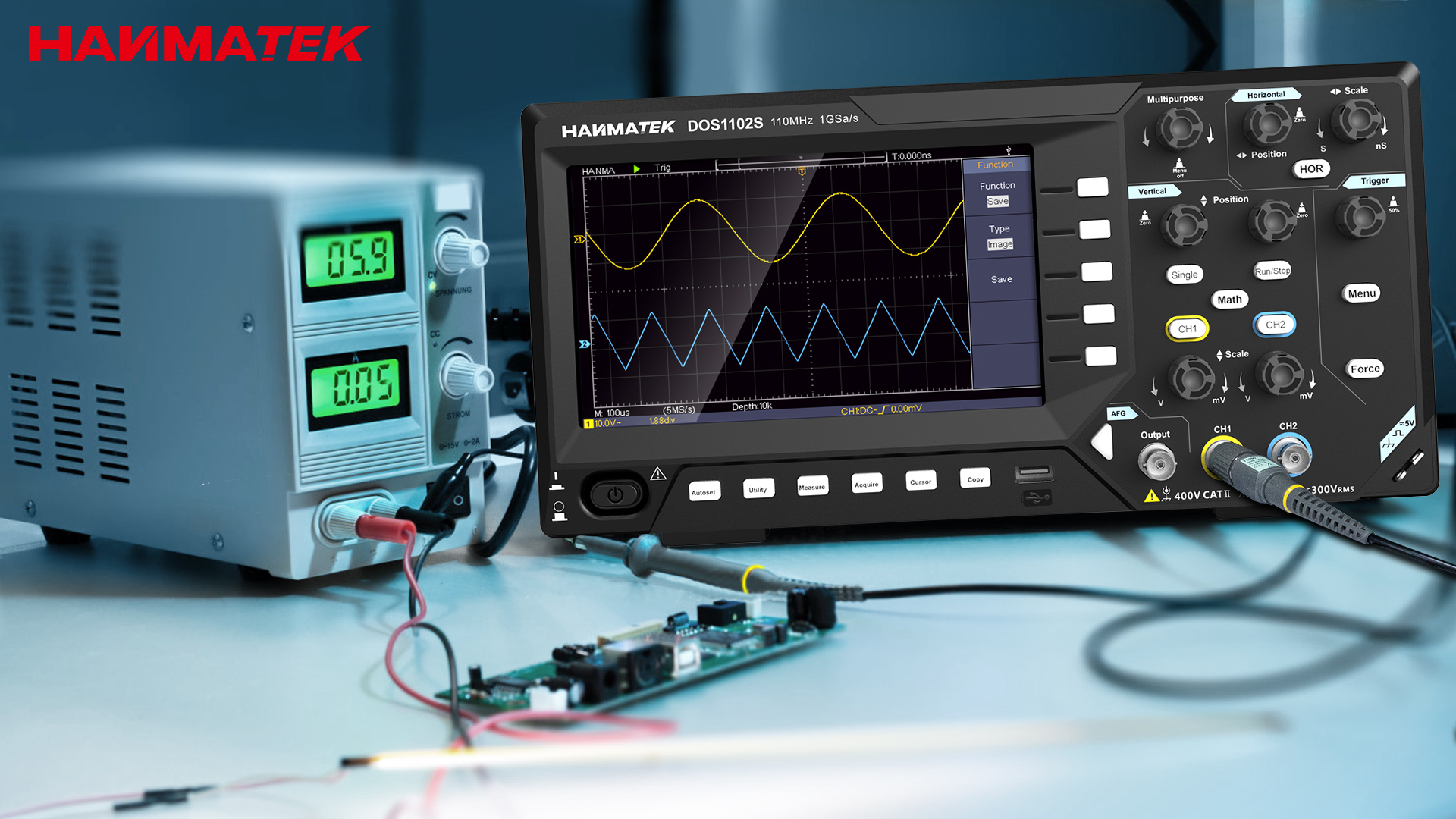
What sets them apart? High sampling rates (up to 1GSa/s), compact designs for lab efficiency, and extras like built-in waveform generators in models such as the DOS1102S. The AHO814 adds a smart touchscreen for intuitive control, making it perfect for educational or engineering environments. Users appreciate the durable build, precise measurements, and discounts that bring prices down to $145–$400.
Hanmatek focuses on user-friendly interfaces and versatility, supporting tasks from basic signal testing to advanced RF work. If you're outfitting a lab on a budget without sacrificing quality, Hanmatek is a top contender.
To help you decide, here's a side-by-side comparison of key Hanmatek models, focusing on channels and bandwidth. This benchtop oscilloscope buying guide emphasizes how these specs impact lab use.
| Model | Channels | Bandwidth | Sampling Rate | Key Features | Price (2026 Est.) | Best For |
|---|---|---|---|---|---|---|
| DOS1102 | 2CH | 110MHz | 1GSa/s | User-friendly, basic analysis | $145 | Beginners, general electronics |
| DOS1102S | 2CH | 110MHz | 500MSa/s | Built-in waveform generator | $160 | Testing with signal gen |
| DOS1202 | 2CH | 200MHz | 1GSa/s | High-speed, slim design | $180 | RF and digital signals |
| DOS1104 | 4CH | 110MHz | 1GSa/s | Multi-signal monitoring | $187 | Complex systems, labs |
| AHO814 | 4CH | 100MHz | 1GSa/s | Touchscreen, professional UI | $400 | R&D, education |
2CH models are cost-effective for simple tasks, while 4CH excel in parallel analysis. Higher bandwidth (200MHz) handles faster signals, but 100-110MHz suffices for most lab work.
For the best benchtop oscilloscope in 2026, we recommend starting with the Hanmatek DOS1104 if you need 4 channels for versatile lab use, or the DOS1202 for higher bandwidth on a budget. These models offer exceptional value, making them ideal laboratory oscilloscopes for commercial investigations.
Ready to upgrade your setup? Check out the full Hanmatek collection for the perfect fit: Shop Hanmatek Benchtop Oscilloscopes.
{"one"=>"Select 2 or 3 items to compare", "other"=>"{{ count }} of 3 items selected"}


Leave a comment