
Free Returns Guarantee
Free & Easy Returns
Free & Easy Returns

If you’re just getting started in electronics, you’ve probably wondered: “Do I need a multimeter or an oscilloscope?”
While both tools measure electricity, they do completely different jobs.
In simple terms:
Understanding this key difference will save you time, money, and frustration when troubleshooting circuits.
A multimeter is your everyday measuring tool. It displays static numerical values such as:
Best used for:
However, a multimeter cannot show you how the signal is behaving over time.
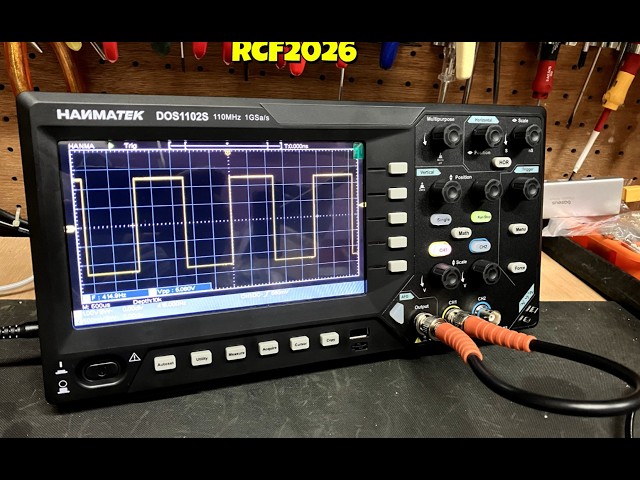
An oscilloscope is a visual tool that displays electrical signals as waveforms on a screen. It shows you:
Best used for:
| Aspect | Multimeter | Oscilloscope |
|---|---|---|
| What it shows | Numbers only | Waveforms over time |
| Main Strength | Static measurements | Dynamic signal behavior |
| Can see signal changes? | No | Yes |
| Typical Use | Quick checks & basic testing | Deep debugging & signal analysis |
| Learning Curve | Very easy | Moderate |
Fact 1: Multimeters Excel at Static Validation Multimeters are the preferred tool for static DC/AC voltage, resistance, and continuity checks in basic electronics troubleshooting. According to industry analyses, they remain the first-choice instrument for validation and confirmation tasks because they deliver accurate, repeatable numerical results with minimal setup—ideal for hobbyists performing routine power supply or component testing.
Fact 2: Oscilloscopes Are Essential for Dynamic Signal Analysis Oscilloscopes uniquely capture time-domain behavior, enabling engineers and makers to observe waveform shape, frequency, noise, and transient events that multimeters miss entirely. In microcontroller and digital projects, this capability is critical; studies of electronics workflows show that timing-related issues and signal integrity problems account for a significant portion of debugging time, making waveform visualization indispensable once projects move beyond simple DC circuits.
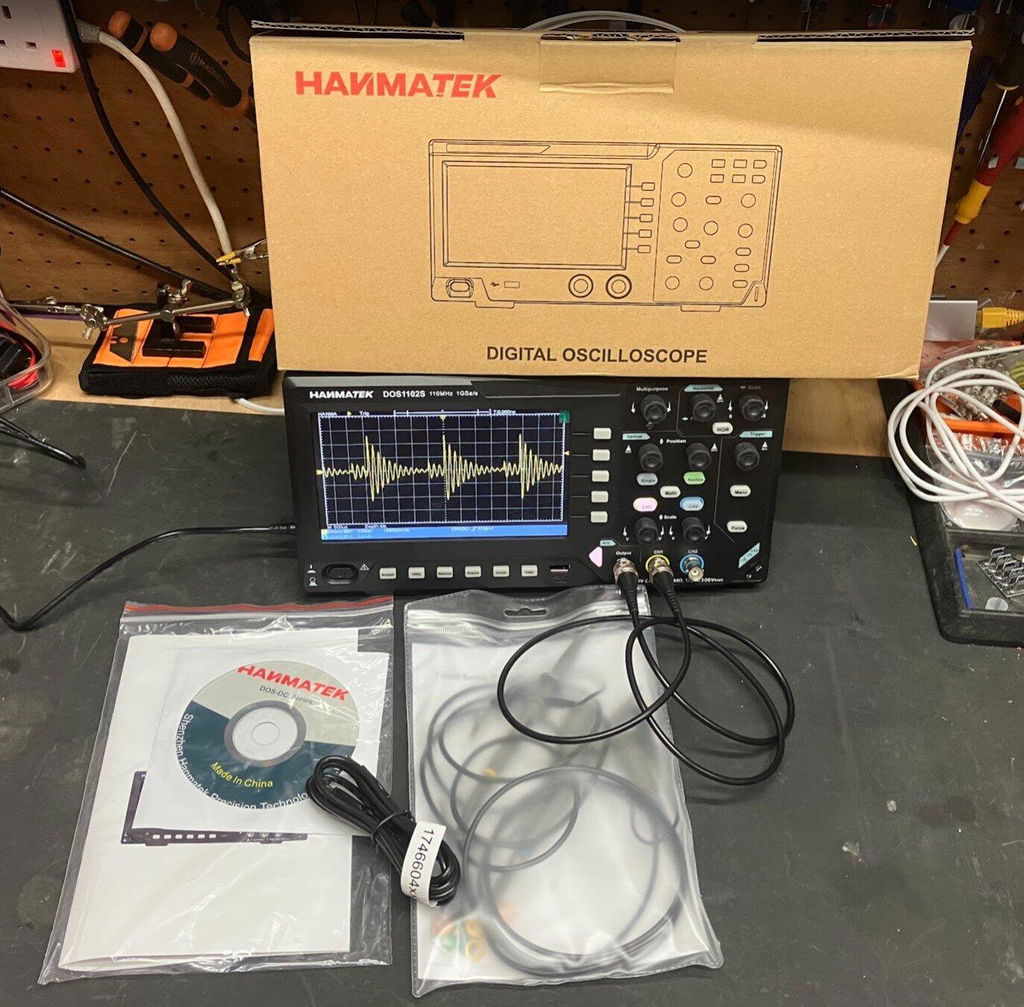
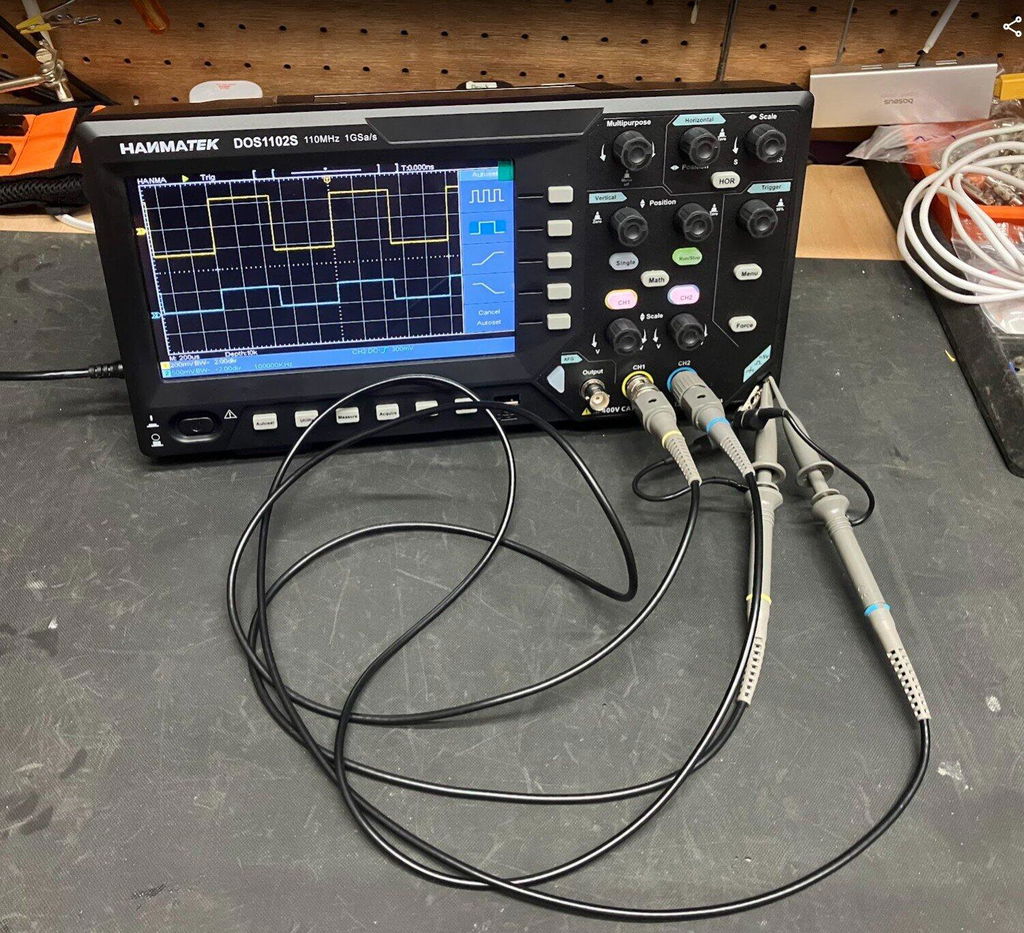
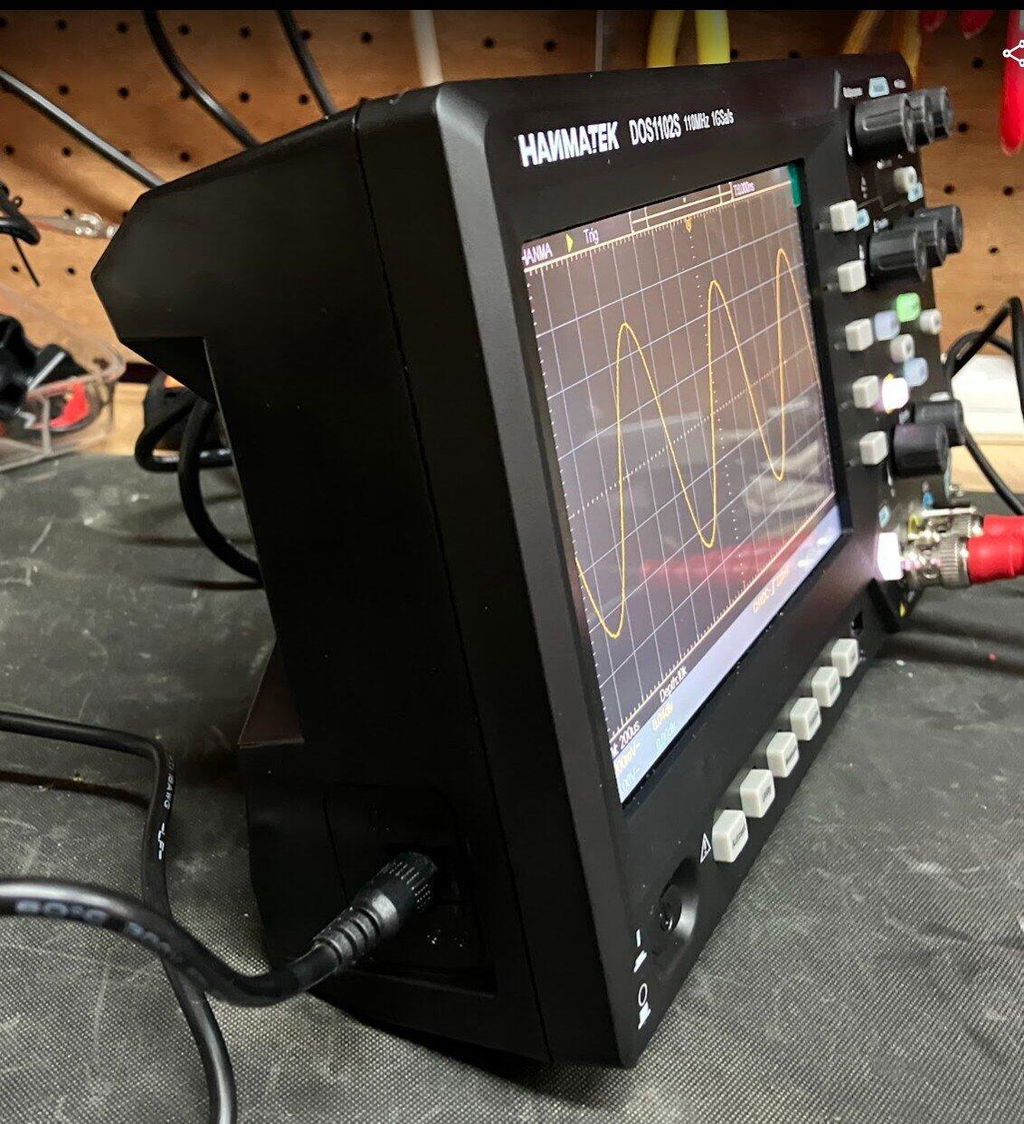
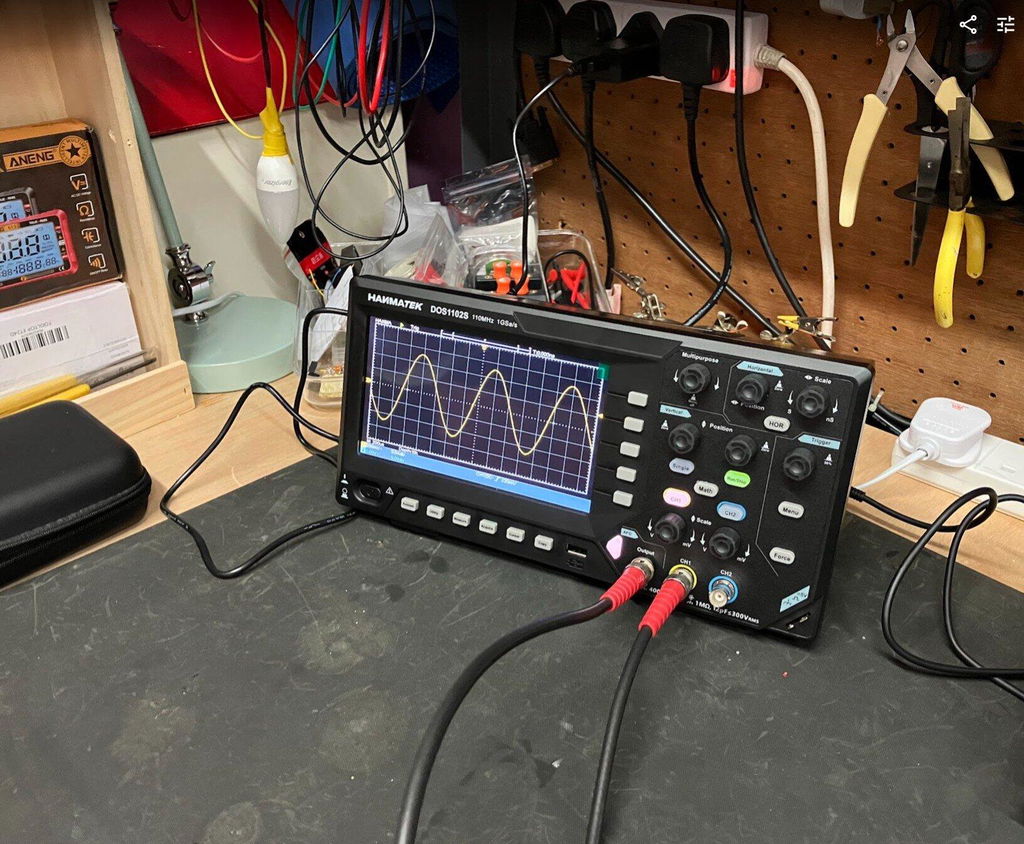
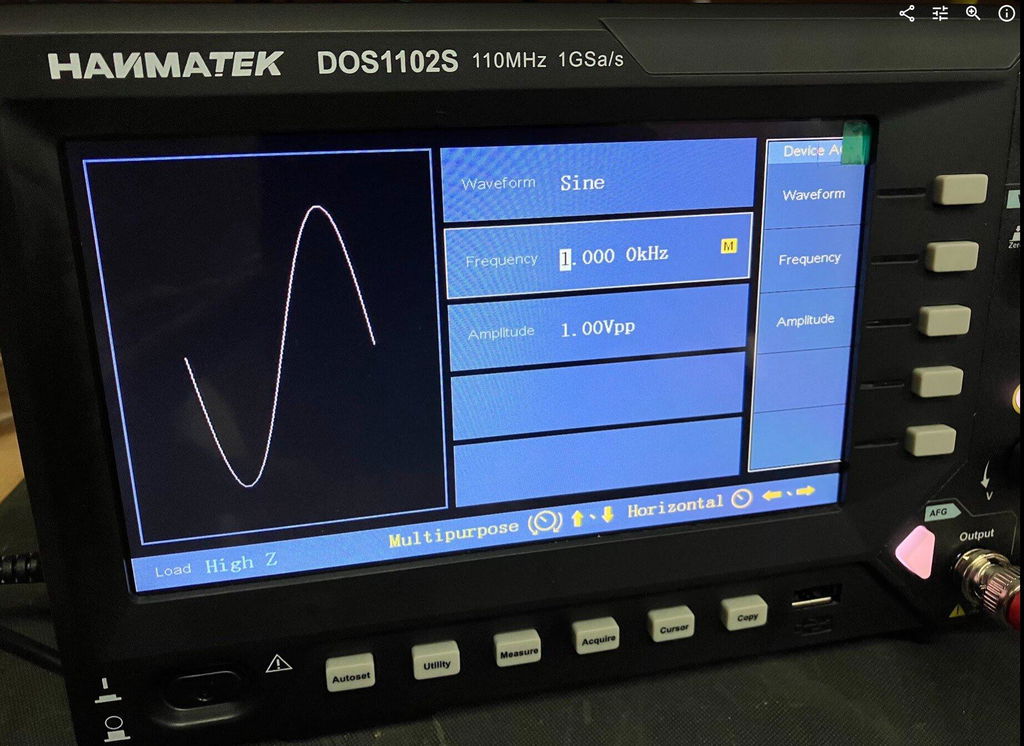
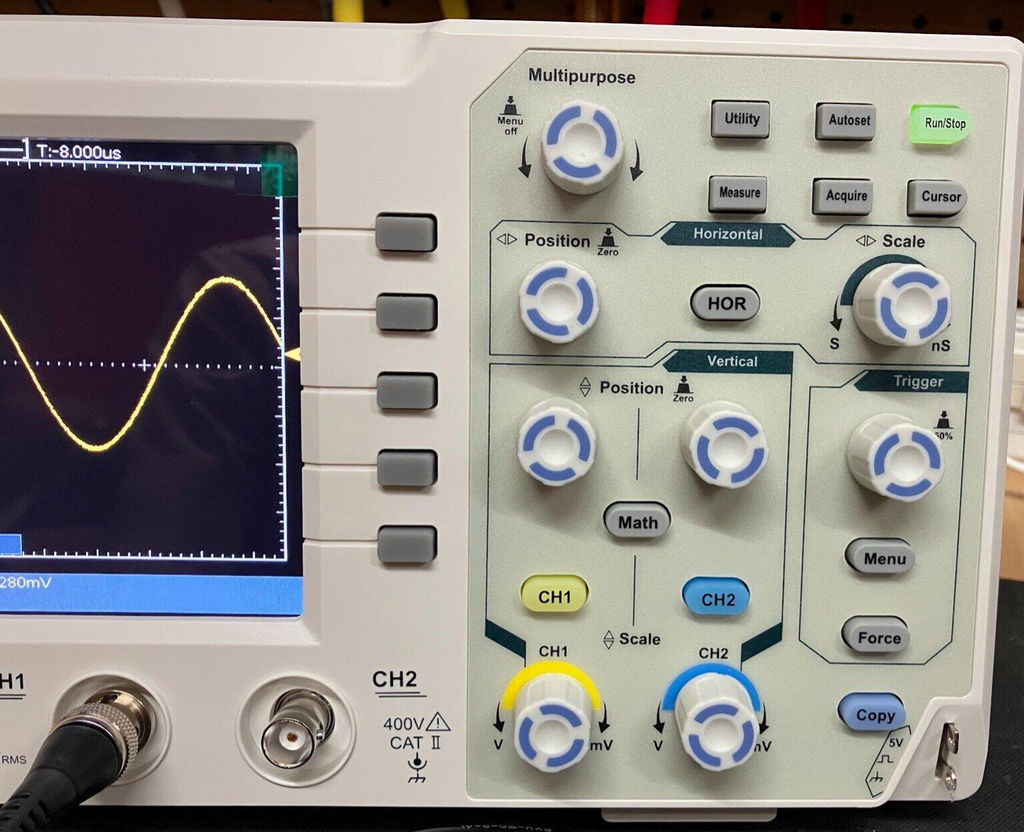
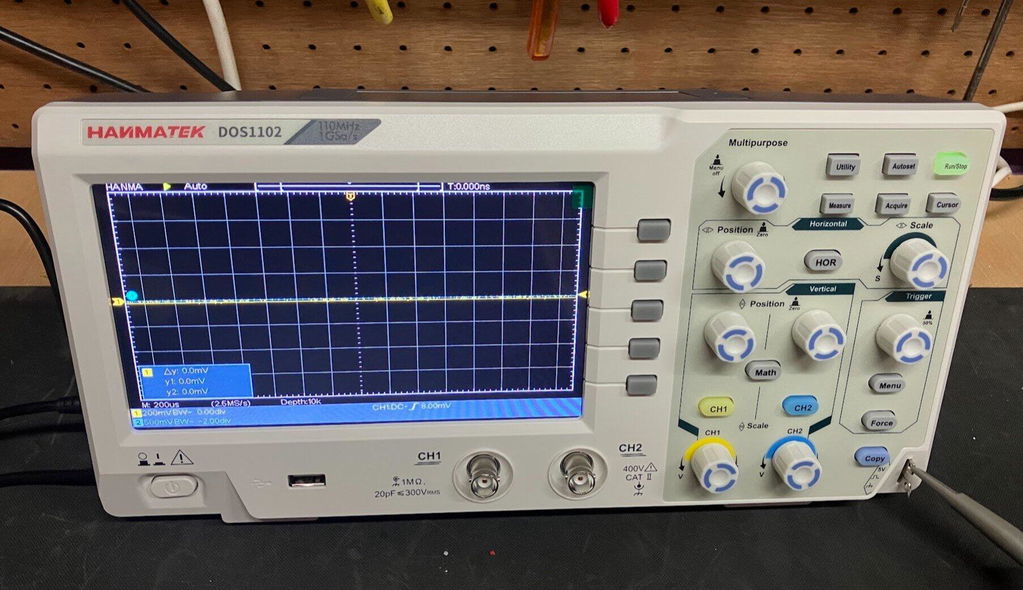
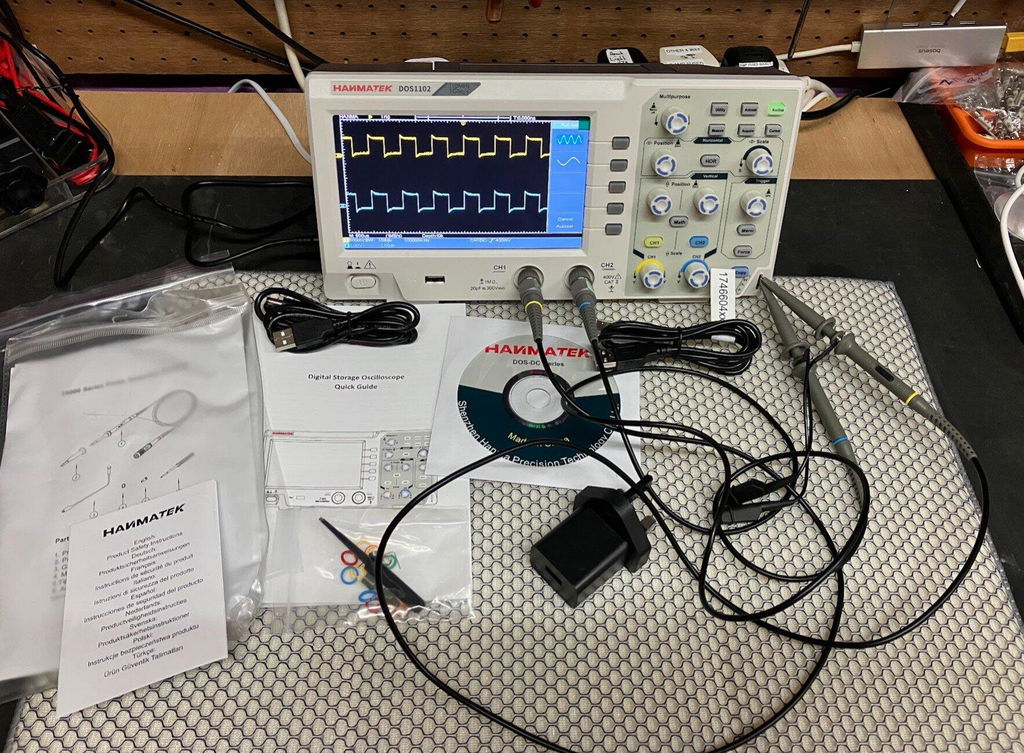
Fact 3: Entry-Level Digital Oscilloscopes Deliver Strong Value for Beginners Modern budget digital oscilloscopes with 100+ MHz bandwidth and 1 GSa/s sampling rates provide professional-grade insight at accessible prices. The HANMATEK DOS1102S, for instance, offers 110 MHz bandwidth, dual-channel operation with up to 1 GSa/s real-time sampling, a built-in waveform generator, and FFT analysis—features sufficient for most hobbyist and intermediate projects while maintaining an excellent price-to-performance ratio in 2026.
If you’re only doing basic repairs or simple voltage checks, a multimeter is usually enough.
But as soon as you start working with microcontrollers, digital signals, power electronics, or anything involving timing and waveform shape — you need an oscilloscope.
For most beginners and hobbyists in 2026, the HANMATEK DOS1102S is one of the best entry-level choices available.
This 110MHz 2-channel digital oscilloscope offers:
It’s powerful enough for real project work, yet simple enough for beginners to learn quickly.

Ready to move beyond numbers and start seeing real waveforms?
👉 Buy the HANMATEK DOS1102S – 110MHz 2-Channel Oscilloscope
A good multimeter and a capable oscilloscope make the perfect team. Start with a multimeter for basic measurements, then add the HANMATEK DOS1102S when you’re ready to truly understand and debug your circuits.
Have you used both tools before? Which one do you reach for more often? Drop a comment below — I’d love to hear your experience!
{"one"=>"Seleccione 2 o 3 artículos para comparar", "other"=>"{{ count }} de 3 artículos seleccionados"}
Seleccione el primer artículo para comparar
Seleccione el segundo artículo para comparar
Seleccione el tercer elemento para comparar



Dejar un comentario