

Soldering Station Tutorial: How to Use a Soldering Station Safely and Effectively
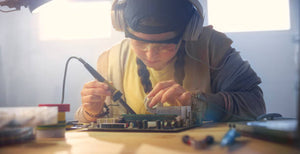
A soldering station is an essential tool for electronics repair, circuit assembly, and DIY projects. It provides precise temperature control for safely joining electronic components.
This tutorial will guide you through how to use a soldering station, understand its functions, and apply it correctly in practical electronics work.
What Is a Soldering Station?
A soldering station is a temperature-controlled tool used to melt solder and join electronic components. It typically includes a soldering iron, control unit, and adjustable temperature settings.
Benefits of Using a Soldering Station
- Precise temperature control
- Safer and more stable than basic soldering irons
- Suitable for delicate electronic work
- Improved soldering quality and efficiency
Browse models: Soldering Stations Collection
When Should You Use a Soldering Station?
Electronics Repair
Fix damaged circuit boards and replace components.
DIY Projects
Build custom electronic devices and prototypes.
Electrical Assembly
Join wires and components securely.
Types of Soldering Stations
Basic Soldering Stations
Suitable for beginners and light repair work.
Digital Soldering Stations
Provide precise temperature control and display.
Professional Soldering Stations
Designed for advanced electronics and industrial use.
How to Use a Soldering Station (Step-by-Step)
Adjust the soldering station to the appropriate temperature for your task.
Allow the soldering iron to reach the set temperature.
Use a sponge or brass cleaner to ensure proper heat transfer.
Touch solder to the joint, not directly to the iron tip.
Heat the joint and allow solder to flow evenly.
Let the solder cool naturally without movement.
Tips for Safe Soldering
Work in a Ventilated Area
Ensure proper airflow to avoid inhaling fumes.
Use Proper Temperature
Too much heat can damage components.
Keep Workspace Organized
A clean workspace improves safety and accuracy.
Practical Applications
Circuit Board Repair
Fix broken solder joints and components.
Electronics Assembly
Build devices and prototypes.
Wire Connections
Create strong and reliable electrical connections.
Common Mistakes
Overheating Components
Excess heat can permanently damage circuits.
Using Dirty Tip
A dirty tip reduces soldering quality.
Insufficient Solder
Too little solder can lead to weak joints.
Recommended HANMATEK Soldering Stations

HANMATEK Soldering Station
Reliable and precise tool for electronics repair and DIY projects.
View ProductSoldering Station FAQs
Is it suitable for beginners?
Yes, many models are designed for easy use.
What temperature should I use?
It depends on the solder type, usually between 300°C–380°C.
Do I need special solder wire?
Yes, electronic-grade solder is recommended.
Explore HANMATEK Soldering Stations
Discover reliable tools for precise electronics repair and assembly.
View Soldering Stations