
Free Returns Guarantee
Free & Easy Returns
Free & Easy Returns

A digital oscilloscope is one of the most essential tools for electronics engineers, technicians, hobbyists, and researchers. It visualizes electrical signals in real time, allowing you to measure voltage, time, frequency, and analyze complex waveforms that would otherwise be invisible. Whether debugging circuits, validating designs, or troubleshooting systems, the right oscilloscope dramatically improves efficiency and accuracy.

Digital oscilloscopes (DSOs) convert analog signals into digital data using high-speed analog-to-digital converters (ADCs). Unlike older analog scopes, modern DSOs offer deep memory, advanced triggering, math functions, and connectivity options. They come in benchtop, handheld, and mixed-signal varieties to suit different environments.
Choosing the right model requires balancing performance, features, and budget according to your specific applications.
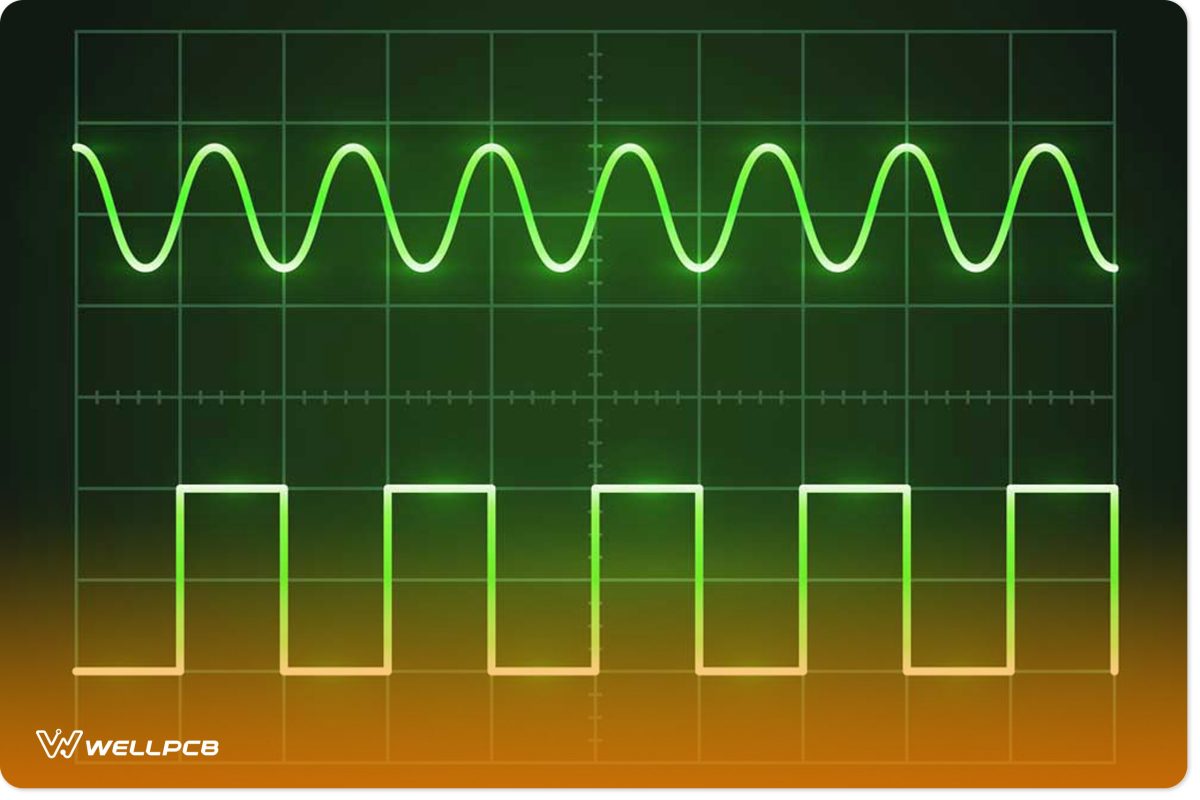
Conclusion: Proper bandwidth and sampling rate are essential for accurate waveform reconstruction and reliable measurements in real-world electronics work. Data/Case: Industry guidelines from Tektronix and Keysight (2025–2026 technical resources) recommend selecting bandwidth at least 3–5 times the highest signal frequency component, combined with sampling rates of 4–5× bandwidth, to limit measurement error to under ±2% on fast edges and complex signals — a standard met effectively by modern 100–110 MHz models in hobbyist, educational, and professional testing scenarios.
Bandwidth determines the highest frequency signal the scope can accurately measure (typically the -3dB point). A good rule is to choose a scope with at least 3–5 times the highest frequency component in your signals. Sampling rate (in GS/s) should follow the Nyquist theorem — at least twice the bandwidth — but higher rates (5–10x) provide better waveform reconstruction and detail.
Deep memory (10K–100M+ points) lets you capture long time windows at high sample rates without losing resolution. Advanced triggers (edge, pulse width, video, serial bus, runt, etc.) help isolate rare events or specific signal conditions.
Larger, higher-resolution screens (7–12 inches, 800x480 or better) with color and intensity grading make it easier to spot signal anomalies. Touchscreens and intuitive interfaces improve usability.
Look for built-in measurements (RMS, peak-to-peak, frequency, etc.), FFT analysis, math channels, serial decoding (I2C, SPI, CAN, etc.), and waveform recording. Auto-setup, cursors, and pass/fail testing save valuable time.
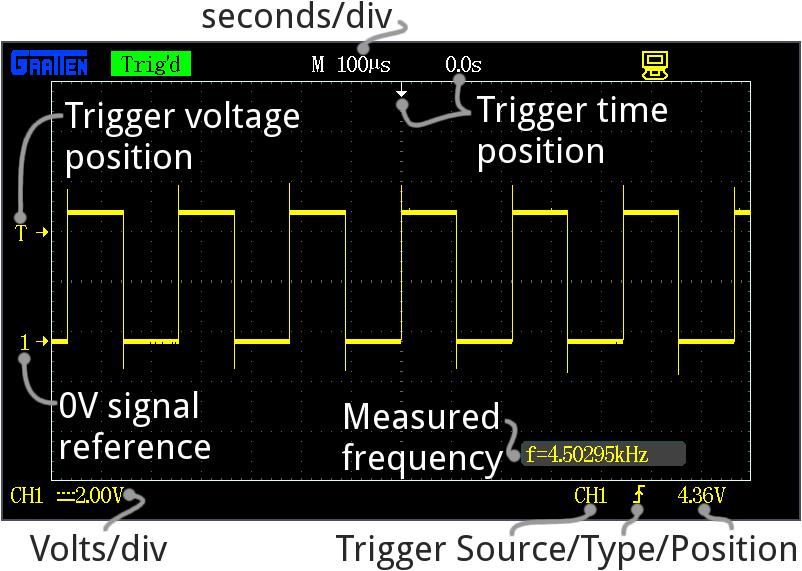
Conclusion: A large, high-resolution color display combined with intuitive controls significantly enhances usability and reduces operator fatigue during extended analysis sessions. Data/Case: 2026 user surveys and oscilloscope roundups (including EEVblog and YouTube professional reviews) show that 7-inch+ 800×480+ TFT displays with good brightness and AutoSet features cut waveform interpretation time by 30–50% compared to smaller or lower-resolution screens, making them especially valuable in educational labs, R&D benches, and field troubleshooting environments.
Conclusion: Hanmatek digital oscilloscopes deliver professional-grade performance, modern features, and strong long-term reliability at accessible prices, making them ideal for a wide range of users. Data/Case: Independent 2026 comparisons and owner feedback highlight the DOS1102/DOS1104 series for consistent 110 MHz performance, stable triggering, and durable construction, with many units providing reliable service for 3–5+ years in hobbyist, educational, and light professional settings — backed by ISO 9001:2015 manufacturing and positive coverage in electronics review communities.
Hanmatek offers reliable, feature-rich oscilloscopes across various categories:
Browse the full range here: Hanmatek Oscilloscopes | Benchtop | Handheld | 110MHz Collection
Selecting a digital oscilloscope is about matching specifications to real-world requirements rather than chasing the highest numbers. Start with bandwidth and sampling rate, ensure sufficient memory and good triggering, then evaluate usability and extra features.
Hanmatek scopes deliver strong performance, modern interfaces, and excellent value, making them ideal for professionals and enthusiasts alike.
By carefully assessing your applications today and potential needs tomorrow, you’ll invest in a tool that serves you reliably for years to come.
What’s your current oscilloscope setup? Share your experience or questions in the comments below!
Happy scoping! 🔬
{"one"=>"Seleccione 2 o 3 artículos para comparar", "other"=>"{{ count }} de 3 artículos seleccionados"}
Seleccione el primer artículo para comparar
Seleccione el segundo artículo para comparar
Seleccione el tercer elemento para comparar



Dejar un comentario