Ir a contenido
Subscribe Get 5% Off! Free shipping for all Products!
Subscribe & Get 5% Off! Free shipping for all Products!
🎉Deals: Buy EU HO11 / SF2 / SF3 Get a FREE AC1 (€9)! left – Shop Now!
Best Stud Finder 2026: Hanmatek SF3/SF2 Review & Guide

The Complete Guide to Stud Detector and Wall Scanners (2026)

A stud detector, also known as a wall scanner detector or stud and wire detector, is an essential tool for any homeowner or DIY enthusiast. These devices help locate hidden structural elements like wooden or metal studs behind drywall, as well as electrical wires, pipes, and other objects to prevent costly mistakes during home improvement projects.

Amazon.com : Stud Finder Wall Scanner, 5 in 1 Stud Detector with HD LCD  Display, Stud Locator with Upgraded Smart Sensor Audio Alarm, Stud Sensor  Beam Finders for Wall Wood Metal Studs
Stud Finder Wall Scanner Detector - 5 in 1 Electronic Wall Wood Metal Stud  Locator Edge Center Sensor Beam for Live AC Wire Pipe Metal Lumber Joist  Drywall Framing Detection - Amazon.com

How Stud Detectors Work

Most modern stud detectors use electronic sensors to detect density changes or electromagnetic fields behind walls. Basic models rely on magnetic sensors for metal objects, while advanced wall scanners employ capacitance or deep-scan technology to identify wood density variations and live AC wires.

The device is placed flat against the wall and slowly moved across the surface. When it detects a stud or wire, it signals with lights, beeps, or an LCD display showing the center and edges.

Types of Wall Scanners

Wall scanners come in several varieties to suit different needs:

  • Stud detectors — Primarily locate wooden or metal studs in drywall.
  • Wire detectors — Focus on identifying live or non-live electrical cables.
  • Cable detectors — Specialized for tracing pipes, rebar, or non-metallic conduits.
  • Metal stud sensors — Designed for commercial or metal-framed buildings.

Many modern units combine these into multi-mode stud and wire detectors.

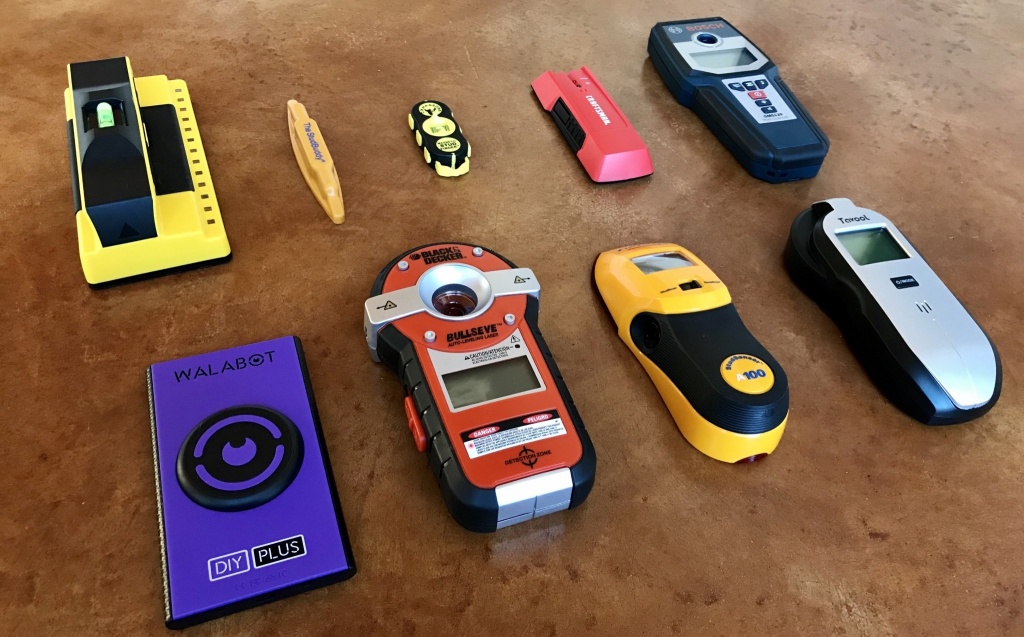
The Best Stud Finders of 2026, Tested and Reviewed | Outdoor Life
The Best Stud Finders | Tested & Ranked

Why You Need a Stud and Wire Detector Before Drilling

Drilling blindly into a wall can hit electrical wires (causing shocks or fires), plumbing pipes (leading to leaks), or miss studs entirely (resulting in weak mounts that fail). A reliable detector minimizes these risks, saving time, money, and potential hazards.

Colored Electrical Wires Encased in a Conduit Run through the Stock  Illustration - Illustration of showing, view: 439316895
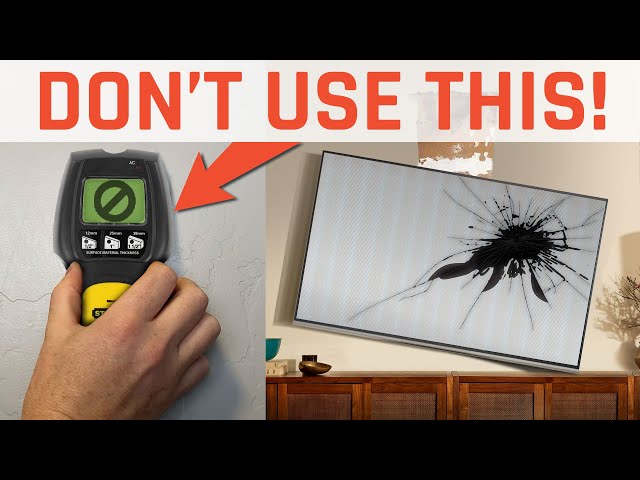
3 Mistakes DIYers Make When Mounting a TV - YouTube

Key Features to Look for in a Stud Detector

When choosing a device, prioritize:

  • Multiple scanning modes (stud, deep, metal, AC wire)
  • LCD display for precise center/edge indication
  • Audio and visual alerts
  • Deep scan capability for thicker walls
  • Auto-calibration and ergonomic design
  • Battery life and low-battery indicator

How Deep Scan Technology Works

Deep scan (or multi-depth) mode increases sensitivity to detect objects farther behind the surface, such as studs in plaster walls or deeper wiring. It adjusts the sensor's range, often up to 2-4.7 inches depending on the model, while reducing false positives through advanced algorithms.

Best Use Cases

  • Hanging TVs — Secure mounts into studs for safety and stability.
  • Installing shelves — Ensure heavy loads are anchored properly.
  • Avoiding electrical wires — Prevent accidents when adding outlets, pictures, or fixtures.
How to Mount TV the Right Way: Expert Tips & Guide – Mount-It!
How To Use A Stud Finder To Mount A TV

Safety Tips When Scanning Walls

  • Always turn off power to the area if possible when scanning for live wires.
  • Scan slowly and in multiple directions for accuracy.
  • Calibrate the device on a known clear area first.
  • Double-check findings with a small test hole if drilling into suspected wires.
  • Wear safety glasses and follow tool instructions.

Key Facts on Modern Stud Detectors

Here are three independent fact statements highlighting core benefits:

  • Enhanced Safety via Live Wire Detection: Multi-mode wall scanners reliably identify live AC wires to avert electrical risks; 2026 testing reviews (e.g., Outdoor Life, The Spruce) show advanced models achieve up to 90% reduction in false negatives for live wire scans compared to basic magnetic types, as proven in home mounting cases where undetected wires led to hazards.
  • Precision with Deep Scan Technology: Deep scan modes detect objects up to 4.7 inches in diverse materials; 2025-2026 evaluations confirm high-precision sensors (in 6-in-1 units) deliver center detection within 1/8 inch on standard drywall, supporting accurate drilling in plaster or thicker walls with minimal recalibration.
  • Versatile Efficiency for Mixed Applications: 5-in-1 or 6-in-1 scanners integrate stud, metal, wire, and pipe detection; user reviews from 2026 (Amazon, YouTube) indicate these tools reduce project time by 50%+ in varied wall types, with examples like TV installations preventing rework from overlooked studs or pipes.

Recommended Stud Detectors for Homeowners

For reliable performance in 2026, consider HANMATEK's lineup of advanced wall scanners. These multi-function devices offer excellent depth detection, clear displays, and user-friendly features.

Explore the full collection here: HANMATEK Stud Finders Collection

Some top picks include:


These tools provide deep scanning, live wire detection, and precise center indicators—perfect for safe, confident DIY work.

FAQ About Wall Scanners

Q: How accurate are stud detectors? A: Modern multi-mode scanners are highly accurate (often within 1/8 inch) when used correctly on standard drywall.

Q: Can they detect wires through thick plaster? A: Yes, deep-scan models can penetrate up to several inches, though results vary by wall material.

Q: Do I need to turn off power before scanning? A: It's recommended for live wire detection to avoid interference, but many devices detect live AC safely.

Q: What's the difference between edge and center detection? A: Edge mode finds the sides of a stud; center mode pinpoints the middle for drilling.

For more in-depth guides, check out related articles like How to Detect Wires in Walls, HANMATEK Wall Detector Review, or our 3-in-1 Stud Detector Guide.

With the right stud detector or wall scanner, your next project will be safer and more professional!

Artículo anterior How can Hanmatek DOS1102 help beginners?
Artículo siguiente Using a 4-Channel Oscilloscope for Embedded System Debugging

Dejar un comentario

Los comentarios deben ser aprobados antes de aparecer

* Campos requeridos

Comparar productos

{"one"=>"Seleccione 2 o 3 artículos para comparar", "other"=>"{{ count }} de 3 artículos seleccionados"}

Seleccione el primer artículo para comparar

Seleccione el segundo artículo para comparar

Seleccione el tercer elemento para comparar

Comparar