
Garantie de retour gratuit
Free & Easy Returns
Free & Easy Returns

If you’re shopping for your first or next oscilloscope, one of the biggest questions is: “Is 110 MHz bandwidth enough for my needs?”
The short answer for most users in 2026 is YES — a good 110 MHz oscilloscope is more than sufficient for the vast majority of hobbyist, student, repair, and even many professional entry-level tasks.
Here’s a clear, practical buying guide to help you decide.
Bandwidth determines how accurately the oscilloscope can display high-frequency signals. A higher bandwidth scope captures faster edges and higher-frequency components without distortion.
Rule of thumb:
Fact 1: 110 MHz Bandwidth Covers Most Common Electronics Work A 110 MHz oscilloscope comfortably handles the majority of real-world signals encountered by makers, students, and repair technicians. This includes microcontroller projects (Arduino, ESP32, STM32), serial protocols (SPI, I²C, UART), PWM motor control, audio circuits, sensors, op-amps, power supply ripple analysis, and general electronics repair — all typically well within its effective range.
Fact 2: Sampling Rate and System Features Often Matter More Than Raw Bandwidth Modern entry-level scopes with 1 GSa/s sampling rates paired with 110 MHz bandwidth deliver excellent waveform fidelity for most applications. In practice, factors such as trigger quality, display clarity, channel count, and extra features (e.g., built-in waveform generators) frequently provide greater day-to-day value than pushing bandwidth to 200 MHz or higher for non-specialized work.
Fact 3: Higher Bandwidth Is Only Necessary for Specialized High-Speed Applications Bandwidth beyond 110 MHz becomes essential primarily for high-speed digital design (USB 3.0+, PCIe, DDR memory), serious RF/microwave work in the GHz range, or very high-speed FPGA projects. For approximately 95% of users — including most hobbyists, educators, and bench technicians — 110 MHz provides an optimal balance of performance and cost in 2026.
Here’s what a 110 MHz oscilloscope can comfortably handle:
When 110 MHz may NOT be enough:
For 95% of users — hobbyists, makers, students, repair technicians, and even many engineers doing daily bench work — 110 MHz is plenty.
Bandwidth alone isn’t everything. Look for:
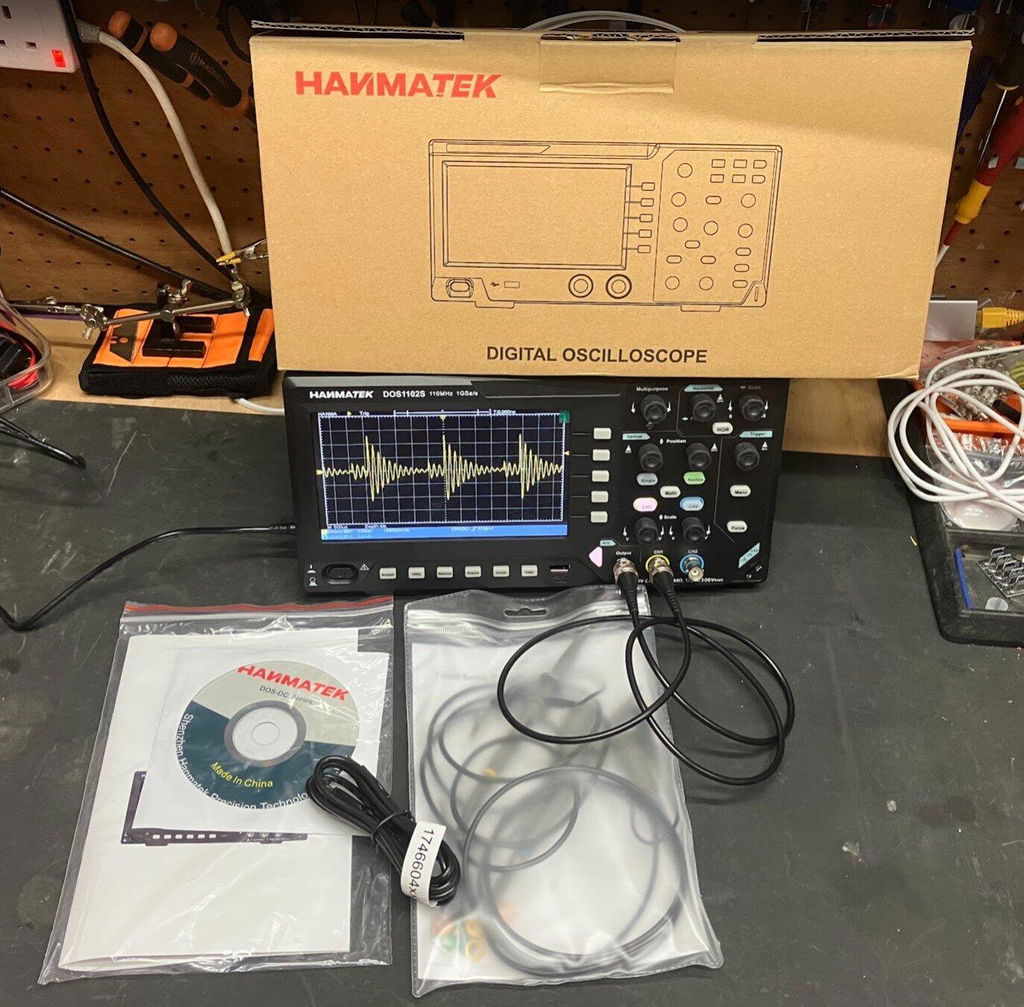
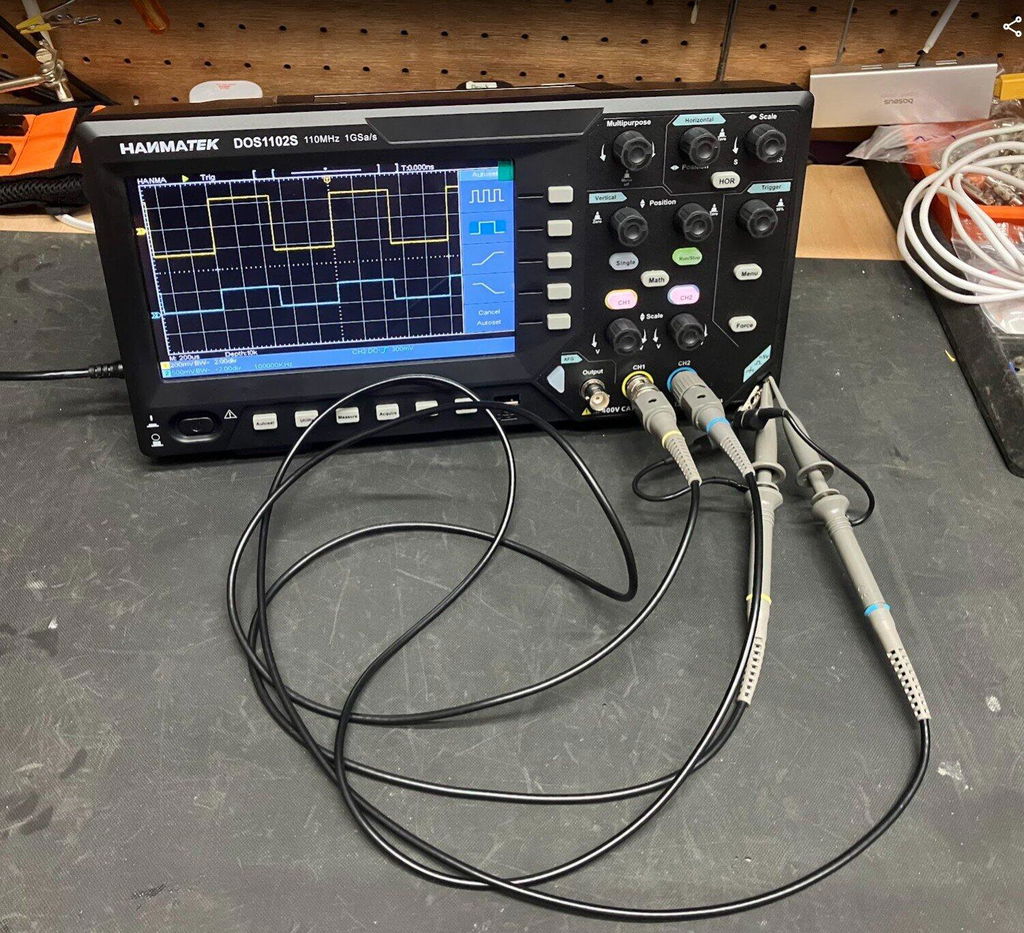
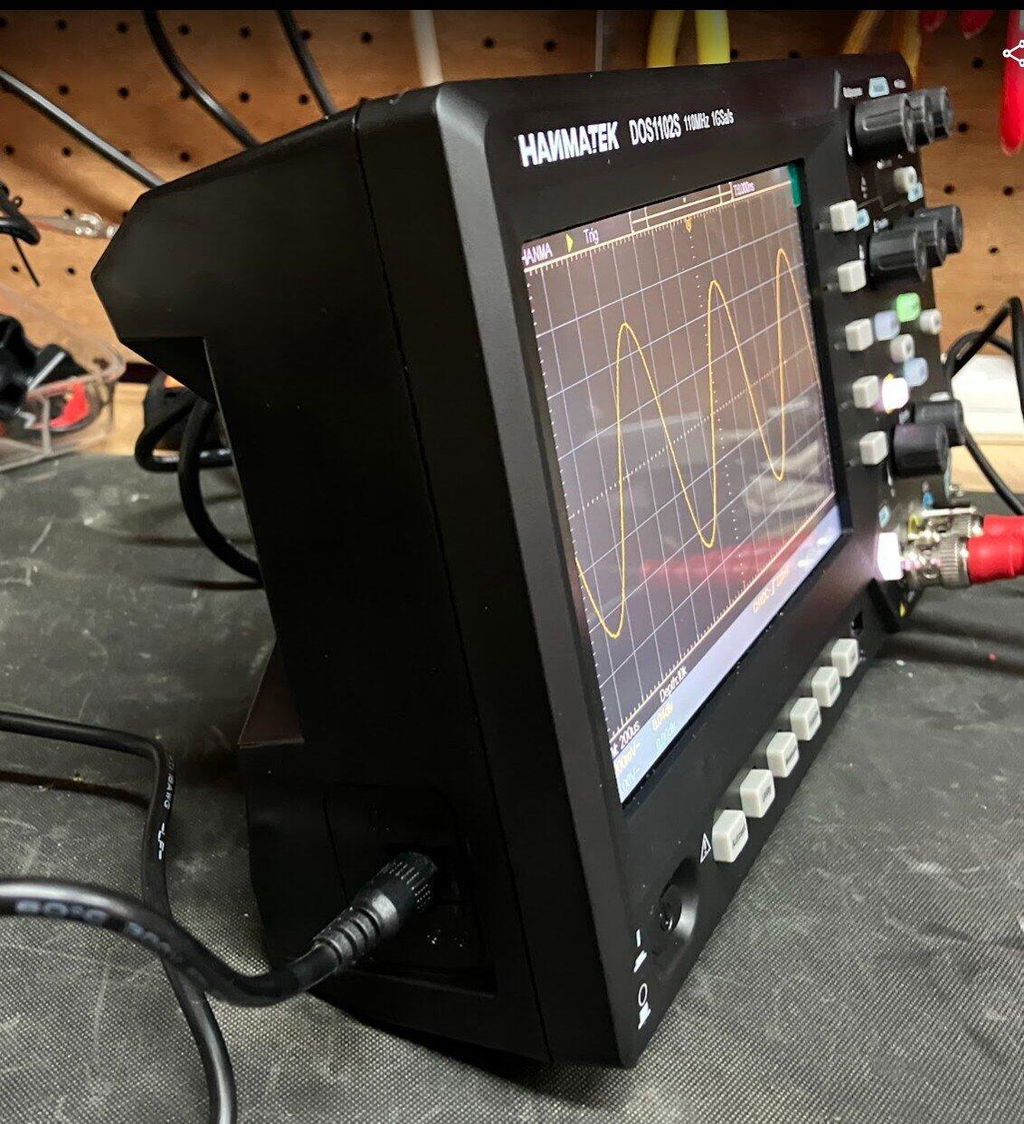
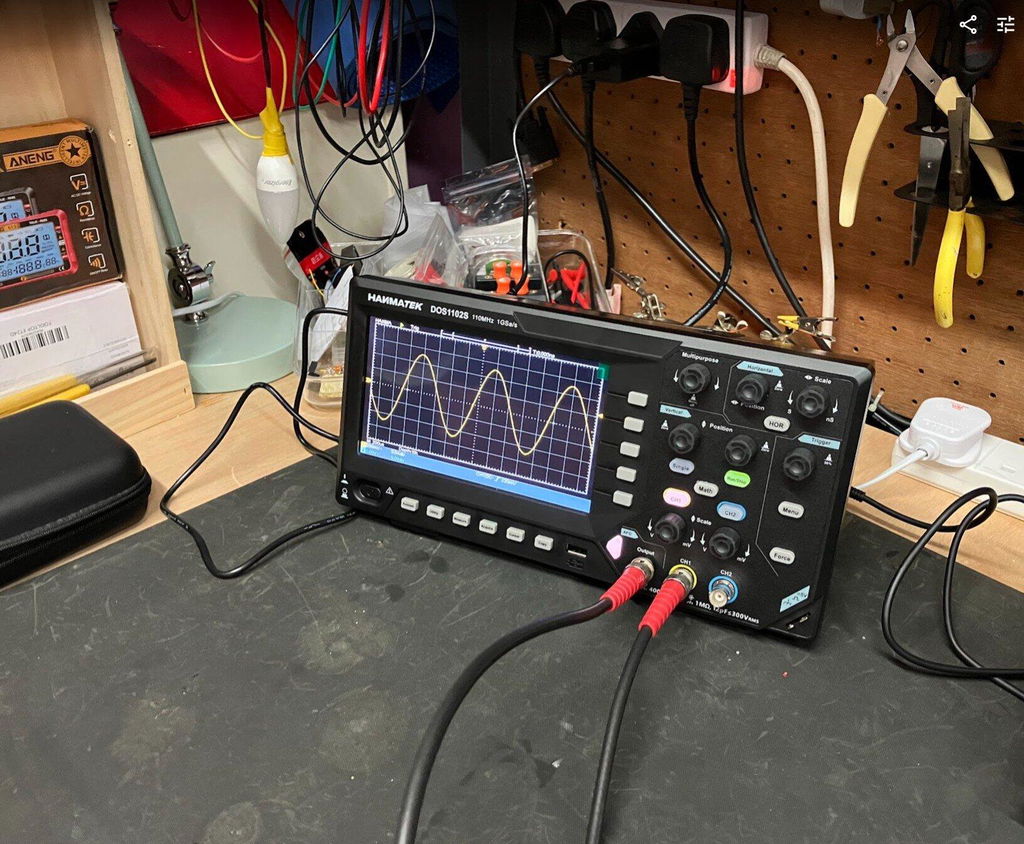
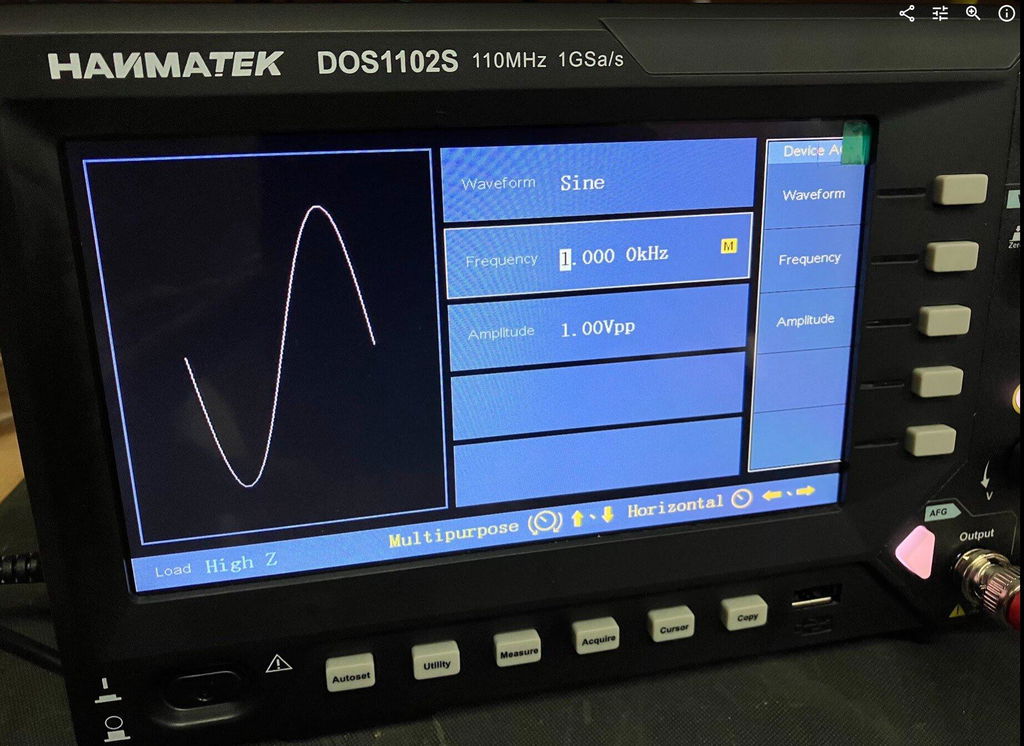
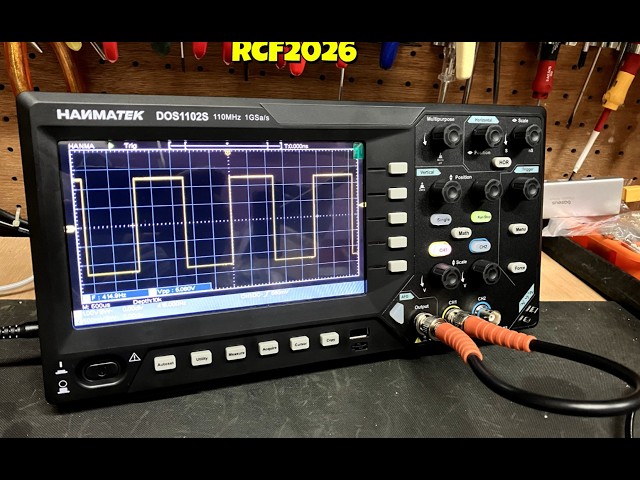
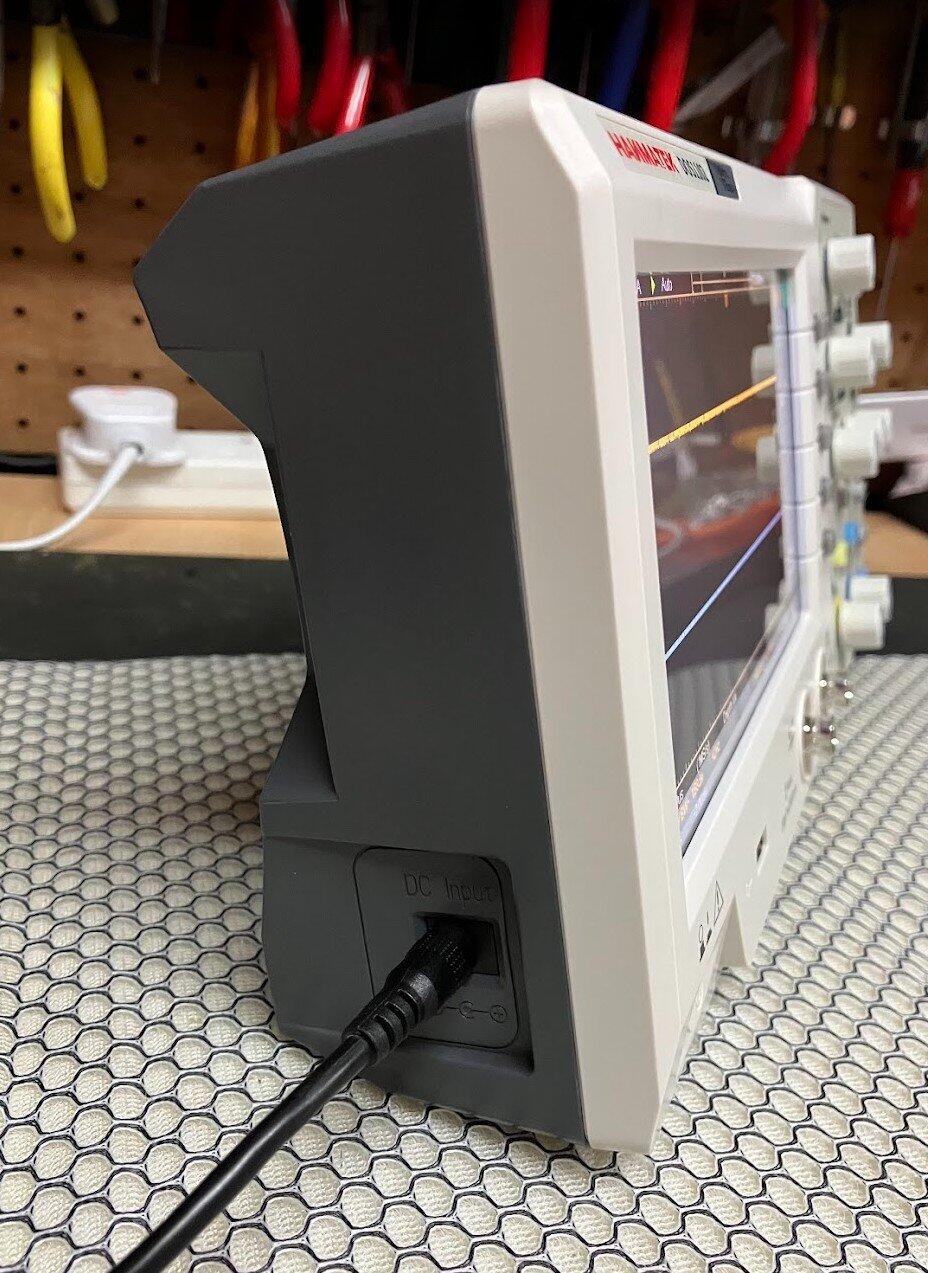
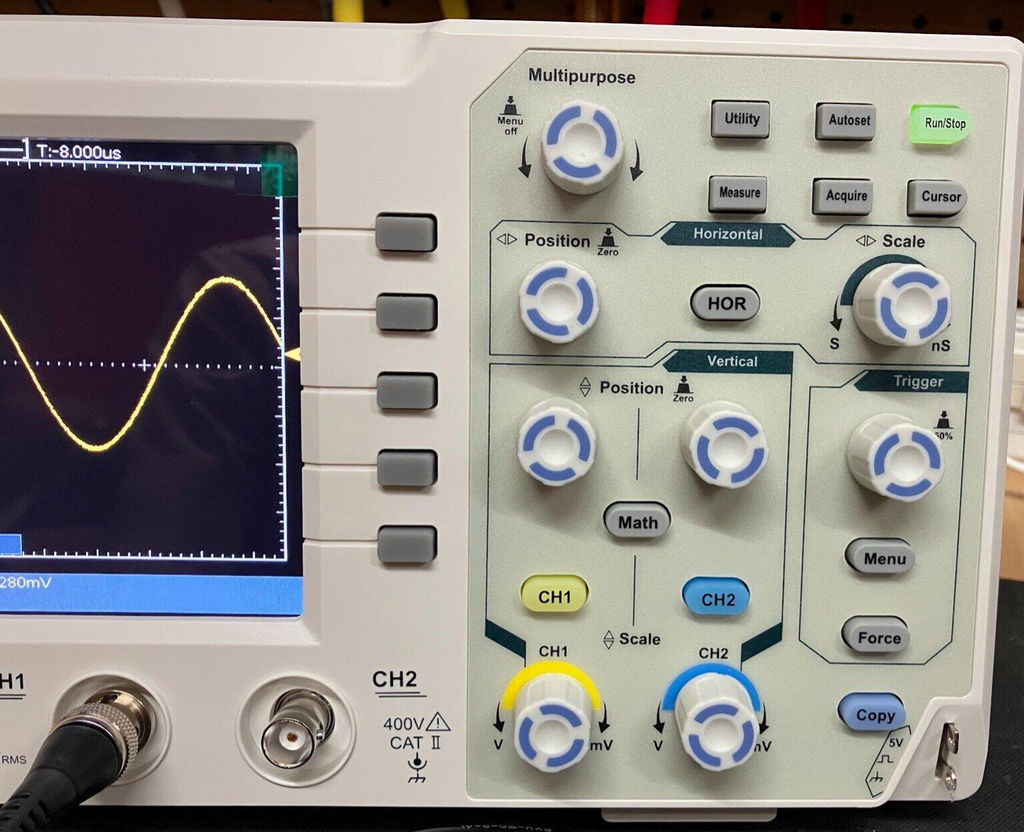
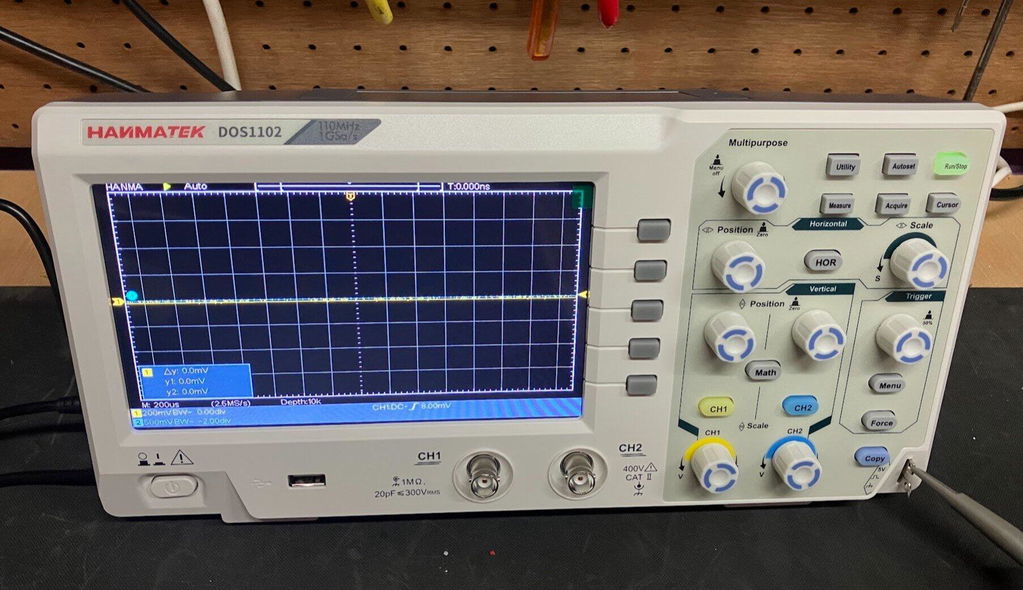
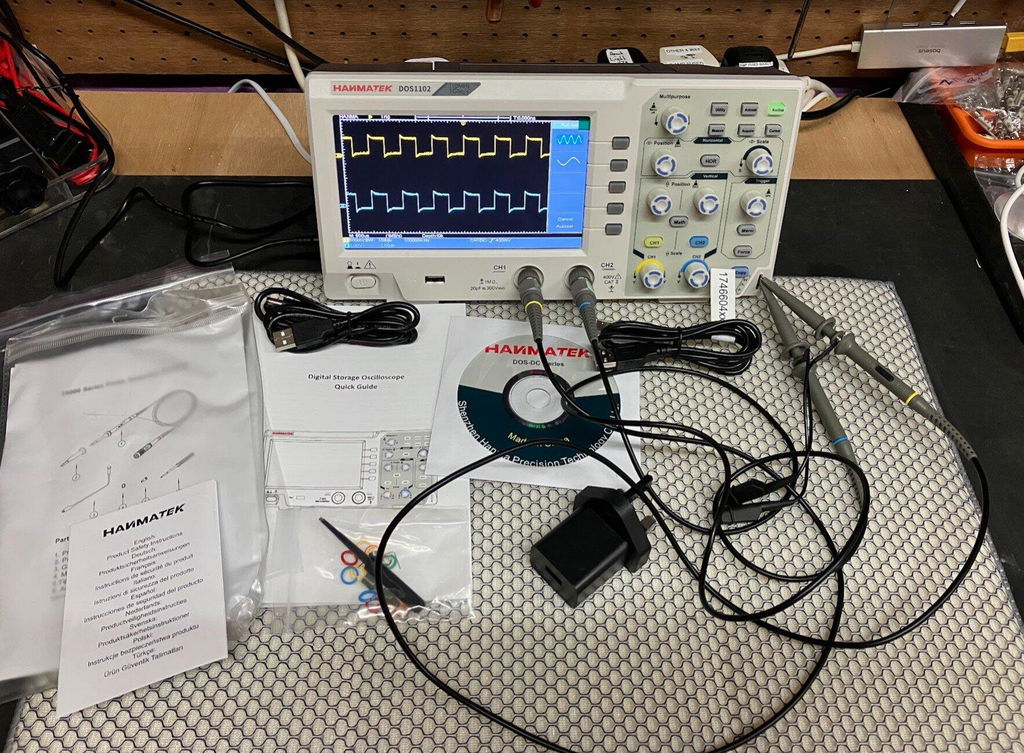
If you’re looking for a 110 MHz oscilloscope that delivers excellent performance at an affordable price, the HANMATEK DOS1102S stands out as one of the best choices in 2026.
Key Features:
This scope offers outstanding value — giving you professional-level capabilities without the premium price tag. It’s perfect for daily debugging, learning, and repair work.
Yes — a 110 MHz oscilloscope is enough for most people in 2026.
Don’t overspend on 200 MHz or 350 MHz bandwidth if your projects don’t require it. Instead, invest in a well-rounded scope with good sampling rate, a nice display, and useful extras like a waveform generator.
The HANMATEK DOS1102S strikes an excellent balance: enough bandwidth, strong performance, and great usability at a very competitive price.
👉 Buy the HANMATEK DOS1102S 110MHz Oscilloscope with Waveform Generator
Ready to upgrade your workbench? This is one of the smartest buys you can make right now.
What kind of projects do you work on? Let us know in the comments and we’ll help you confirm if 110 MHz is the right fit for you!
{"one"=>"Sélectionnez 2 ou 3 articles à comparer", "other"=>"{{ count }} éléments sélectionnés sur 3"}
Sélectionnez le premier élément à comparer
Sélectionnez le deuxième élément à comparer
Sélectionnez le troisième élément à comparer


Laisser un commentaire