Garantie de retour gratuit
Free & Easy Returns
Free & Easy Returns
Learn how oscilloscopes work, how to choose the right model, and how to analyze electrical signals effectively for electronics, embedded systems, automotive diagnostics, and engineering projects.
An oscilloscope is an electronic test instrument used to observe and analyze electrical signals in real time. Unlike a multimeter that displays numeric values, an oscilloscope visualizes voltage over time as waveforms.
The vertical axis represents voltage amplitude and signal strength.
The horizontal axis represents time, showing how signals change dynamically.
Observe waveform shape, timing, noise, glitches, and communication behavior.
Verify circuit performance and troubleshoot PCB signal issues.
Analyze ECU signals, ignition systems, CAN communication, and sensors.
Debug serial communication, clock timing, and digital interfaces.
Measure inverter outputs, PWM signals, and switching waveforms.

Professional laboratory waveform analysis for electronics engineering and R&D.
View Collection
Portable testing solution for field maintenance and automotive diagnostics.
View Collection
| Specification | Description |
|---|---|
| Bandwidth | 50MHz for beginners, 100MHz+ for embedded systems and advanced analysis. |
| Sample Rate | Higher sample rates capture fast signal transitions accurately. |
| Channels | 2 or 4 channels allow simultaneous multi-signal monitoring. |
| Memory Depth | Deeper memory stores longer waveform captures for analysis. |
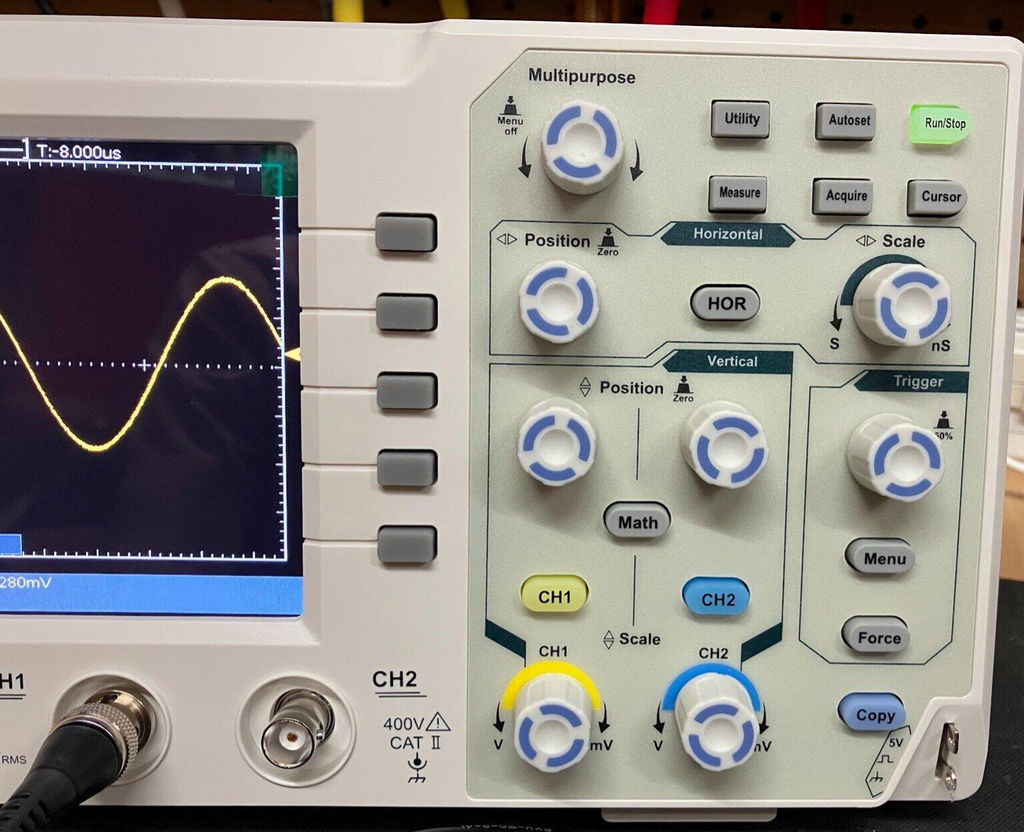
Attach the probe to the signal source and connect the ground clip safely.
Set the voltage division to fit the waveform clearly on screen.
Adjust time division to observe waveform timing and cycles.
Stabilize waveforms for easier signal observation and debugging.
| Feature | Oscilloscope | Multimeter |
|---|---|---|
| Signal Display | Waveform Visualization | Numeric Values |
| Frequency Analysis | Advanced | Limited |
| Transient Detection | Excellent | Basic |

Portable handheld oscilloscope designed for electronics learning and field troubleshooting.
View Product
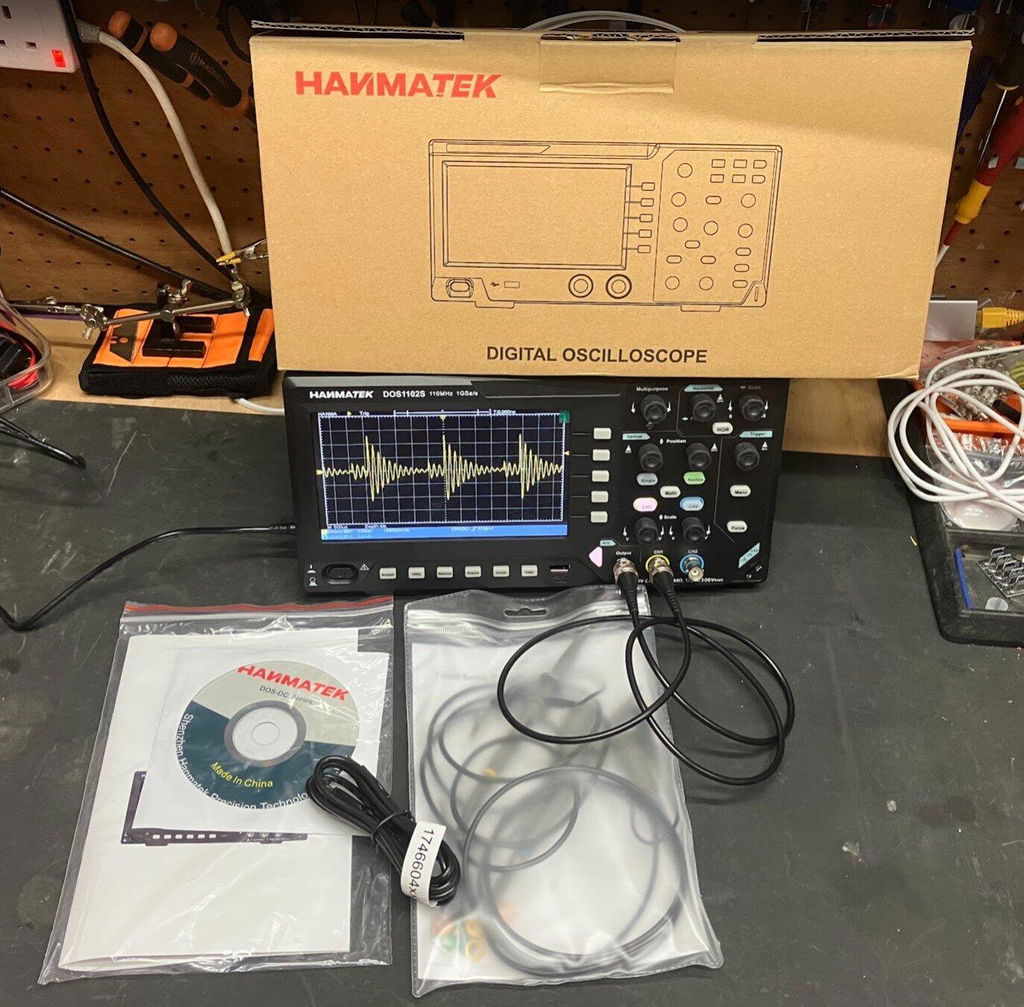
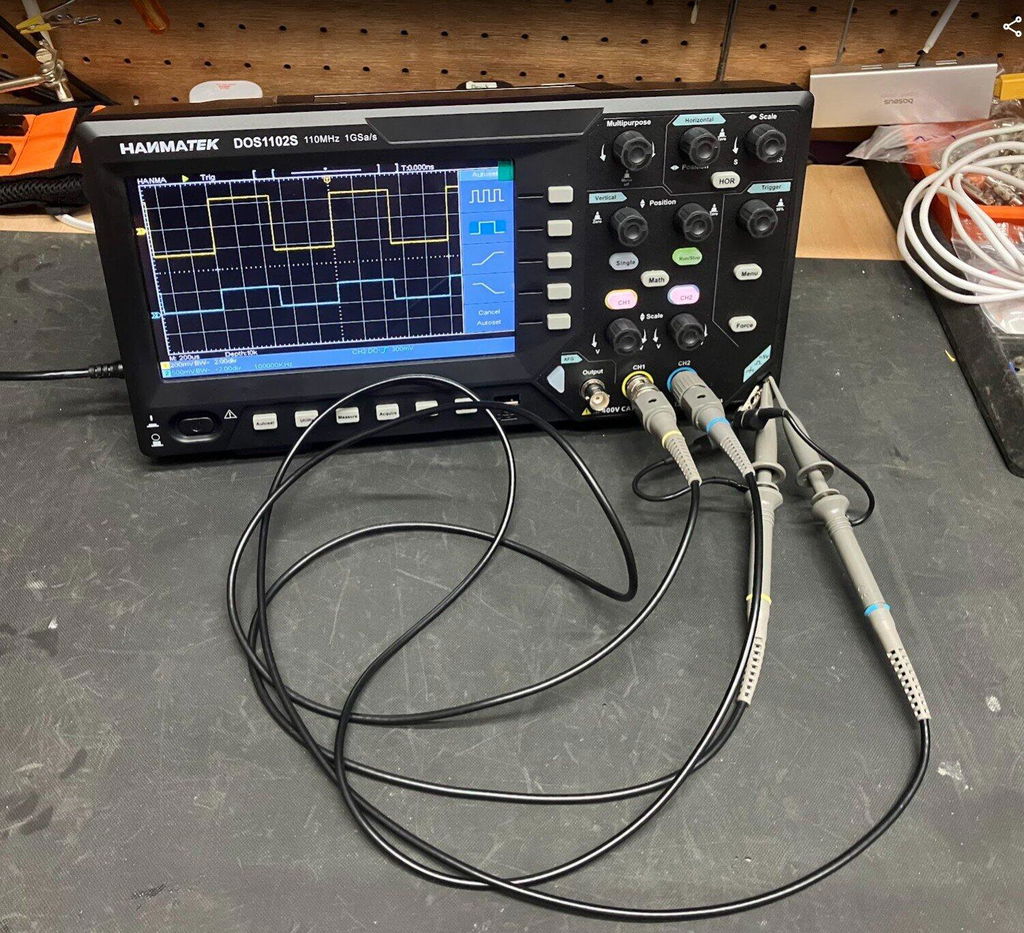
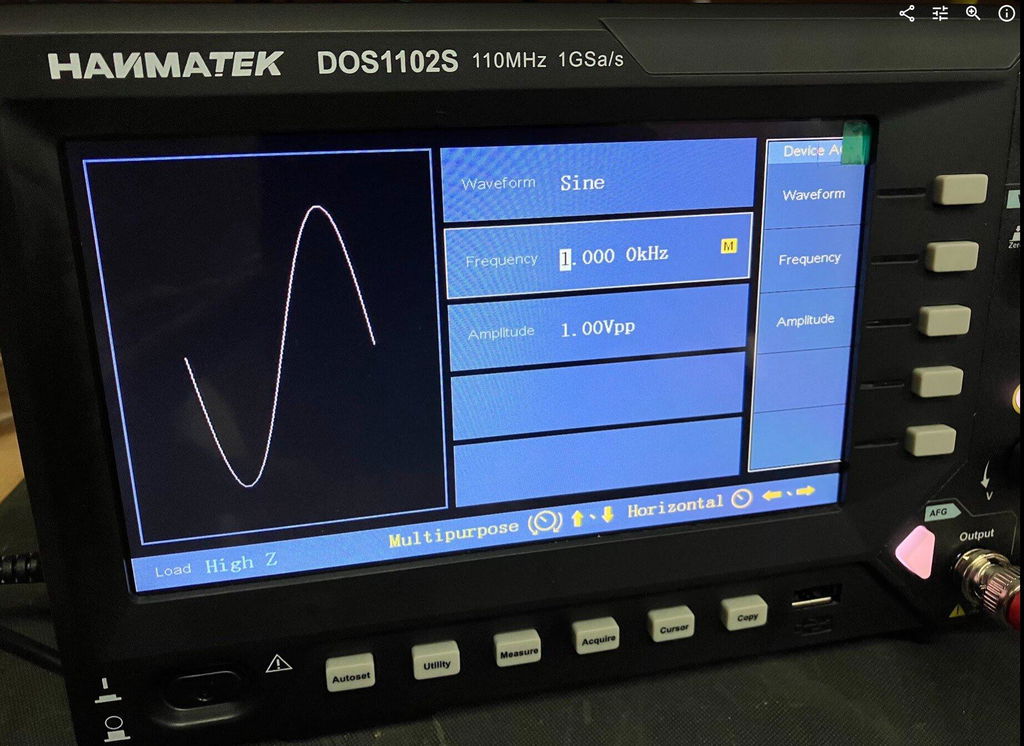
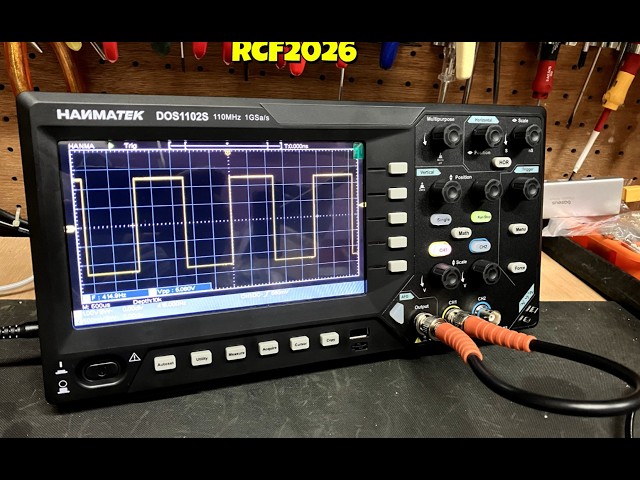
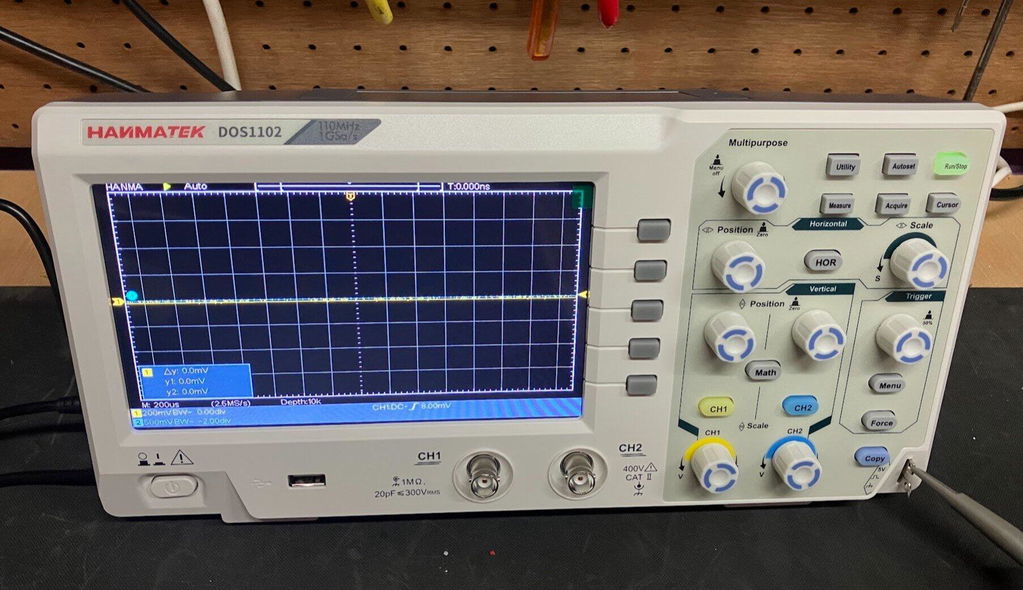
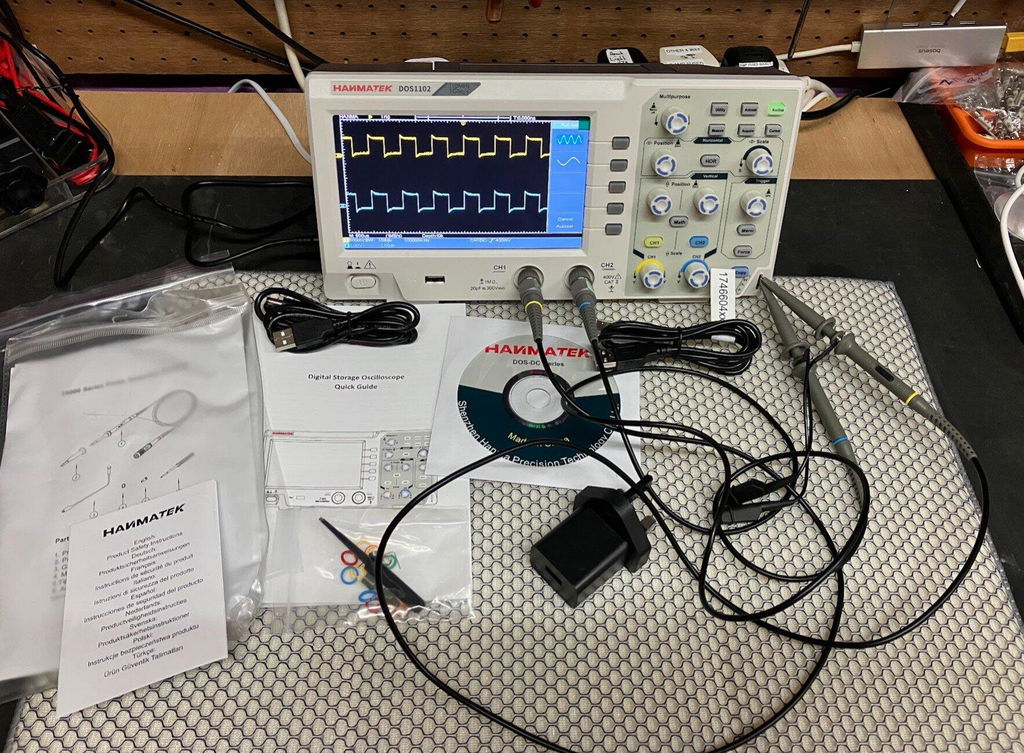
110MHz digital oscilloscope for professional waveform analysis and embedded system testing.
View ProductYes. Oscilloscopes help users understand waveform behavior and diagnose electronic circuits effectively.
100MHz is suitable for most educational, embedded, and electronics development projects.
Yes. Handheld oscilloscopes are ideal for field service, automotive diagnostics, and portable testing.
Discover professional oscilloscopes for electronics engineers, automotive technicians, students, and embedded system developers.
View All Oscilloscopes{"one"=>"Sélectionnez 2 ou 3 articles à comparer", "other"=>"{{ count }} éléments sélectionnés sur 3"}
Sélectionnez le premier élément à comparer
Sélectionnez le deuxième élément à comparer
Sélectionnez le troisième élément à comparer